
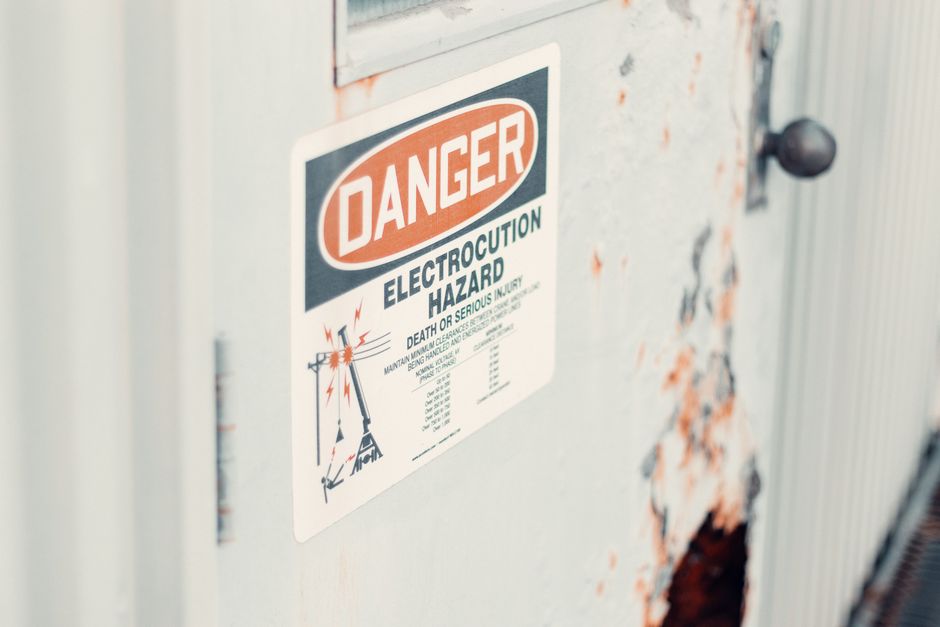
Electrical burns are some of the most dangerous injuries you can get at home or on the job. They can damage skin, muscle, and internal organs even when the visible wound looks small. The good news is that nearly all electrical burns are preventable with the right safety habits and equipment. To prevent electrical burns, you must treat every electrical device with respect, use grounded outlets and GFCIs, never mix water with electricity, and follow lockout procedures at work. Prevention comes down to understanding how current flows, where it can jump, and what protective systems stop it before it reaches you.
What Causes An Electrical Burn?
An electrical burn happens when electric current passes through body tissue. The current generates heat as it travels, and that heat destroys cells along the path. The severity depends on the voltage, the current strength, the path through the body, and how long the contact lasts.
There are three main types of electrical burns. Low-voltage burns come from household current of 110 to 220 volts. High-voltage burns come from power lines, industrial equipment, or lightning. Arc burns happen when current jumps through the air from one conductor to another without touching the body directly. Each type requires different precautions.
The most dangerous aspect of electrical burns is the hidden damage. The entry wound may look small, but the current can destroy deep muscle and bone along its path. This is why electrical injuries always require a medical evaluation, even when the skin appears mostly intact.
How To Prevent Electrical Burns At Home And Work: The Core Safety Rules
Prevention starts with the same principle in every setting: do not become the path of least resistance. Here are the rules that prevent most electrical injuries.
Never use damaged cords or equipment. Frayed wires, cracked plugs, and damaged casings expose live conductors. Replace them immediately. Do not patch them with tape. Tape hides the problem and can fail at any moment.
Keep electrical devices away from water. Water dramatically lowers the skin’s resistance to current, which means a shock that might be minor in dry conditions can become fatal in wet ones. Never handle plugged-in appliances with wet hands. Never use electrical devices near sinks, bathtubs, pools, or wet floors. GFCI outlets are required in bathrooms, kitchens, and outdoor locations for this reason.
Use grounded outlets and proper plugs. Three-prong plugs exist for a reason. The third prong connects to the ground wire, which gives fault current a safe path away from you. Never cut off the third prong to fit a two-slot outlet. Never use an adapter that defeats the ground connection.
Install and test GFCIs. Ground Fault Circuit Interrupters detect tiny leaks in current and shut off power in milliseconds. They are the single most effective protection against electrical shock in the home. Test them monthly by pressing the test button and confirming the reset button pops out.
At work, follow lockout/tagout procedures. Lockout/tagout is a formal system for making equipment safe before maintenance. It involves locking the power source in the off position and placing a tag on it so no one accidentally turns it back on. Never assume a circuit is dead. Always test it yourself before touching any wires.
How To Prevent Arc Flash And High-Voltage Burns At Work
Arc flash is a serious occupational hazard. It occurs when electric current leaves its intended path and travels through the air. The arc can reach temperatures hotter than the surface of the sun and can cause severe burns even at a distance. Arc flash can also produce a pressure wave that injures internal organs and causes hearing damage.
Preventing arc flash requires specific engineering and personal protective equipment. Electrical panels and switchgear should be maintained by qualified personnel only. Workers must wear flame-resistant clothing, arc-rated face shields, and insulated gloves when working near energized equipment. The required level of protection depends on the available fault current and the distance to the equipment — this is calculated through an arc flash study that every facility with high-voltage equipment should have.
High-voltage lines carry thousands of volts. Contact with these lines usually causes severe burns, cardiac arrest, or death. The safe approach distance depends on the voltage, but the rule is simple: stay far away. Never touch anything that is touching a power line, including ladders, scaffolding, tree branches, or vehicles. If equipment contacts a power line, stay in the vehicle and call for help. Do not exit until utility workers confirm the line is de-energized.





What To Do If Someone Gets An Electrical Burn
Immediate response matters. If someone is still in contact with a live electrical source, do not touch them. You could become part of the circuit. Turn off the power at the breaker, fuse box, or main switch if you can do so safely. If you cannot turn off the power, use a non-conductive object like a dry wooden broom handle to push the person away from the source.
Once the person is free, call emergency services. Electrical burns can cause cardiac arrhythmias even after the person appears conscious and stable. Do not move the person unless they are in immediate danger of further injury. Do not apply ice, butter, or any home remedy to the burn. Cover the area with a clean, dry cloth or sterile dressing and wait for medical help.
Even if the burn looks minor, medical evaluation is essential. The visible injury often underestimates the internal damage. Doctors will assess for muscle damage, kidney problems, and cardiac effects that may not be obvious for hours.
Electrical Safety In The Home: Specific Areas To Check
Most home electrical fires and burns are preventable with routine inspection. Walk through your home and look at every outlet, cord, and appliance with a critical eye.
Outlets: Check for outlets that feel warm to the touch, make crackling sounds, or have burn marks. These are signs of overheating and indicate a wiring problem. Loose outlets that wiggle when you insert a plug should be replaced. Outlets near water sources should be GFCI-protected.
Cords: Never run extension cords under rugs or carpets. The cord can overheat, and the damage is hidden from view. Do not staple cords to walls. Do not plug multiple extension cords together. If you need more outlets, install a power strip with a circuit breaker — but remember that power strips do not provide protection against overloads on the entire circuit.
Appliances: Pay attention to appliances that frequently trip breakers or blow fuses. This is a warning sign of an electrical fault. Unplug appliances that are not in use. Heat-producing appliances like toasters, space heaters, and irons should be kept away from anything flammable.
Outdoor areas: Use outlets with weatherproof covers for outdoor use. Keep electrical tools dry and store them indoors. Never use electrical equipment in the rain or on wet grass. Inspect outdoor cords for damage before each use, as sunlight and weather degrade insulation over time.
Why Children Are At Higher Risk And How To Protect Them
Children are naturally curious and do not understand the danger of electricity. They may insert objects into outlets, chew on cords, or pull appliances off counters. The most effective protection is a combination of physical barriers and education.
Install tamper-resistant outlets in every home where children live or visit. These outlets have spring-loaded shutters that only open when equal pressure is applied to both slots simultaneously. A child pushing a single object into one slot will not be able to make contact with the live conductor.
Keep cords out of reach. Children may bite through cords, which can cause electrical burns to the mouth and lips. These injuries are particularly dangerous because the current may damage the developing teeth and jaw structures. Unplug devices when not in use so curious hands cannot pull them down. Teach children from an early age that electricity is not a toy, and that outlets and cords are off-limits.
Frequently Asked Questions
Can you get an electrical burn without touching a wire?
Yes. Arc flash occurs when high-voltage current jumps through the air to reach a nearby conductor or grounded object, and the intense heat can cause severe burns without direct contact.
What is the difference between a GFCI and a circuit breaker?
A GFCI detects small current leaks to ground and shuts off power to prevent shock, while a circuit breaker protects against overloads and short circuits that cause fires. Both are important, and GFCIs provide the specific protection needed near water sources.
Should I go to the hospital for a small electrical burn?
Yes. Any electrical burn should be evaluated by a medical professional because internal damage can be much more extensive than the visible skin wound suggests.
Are extension cords safe for permanent use?
No. Extension cords are designed for temporary use only. For permanent needs, have a licensed electrician install additional outlets.
