
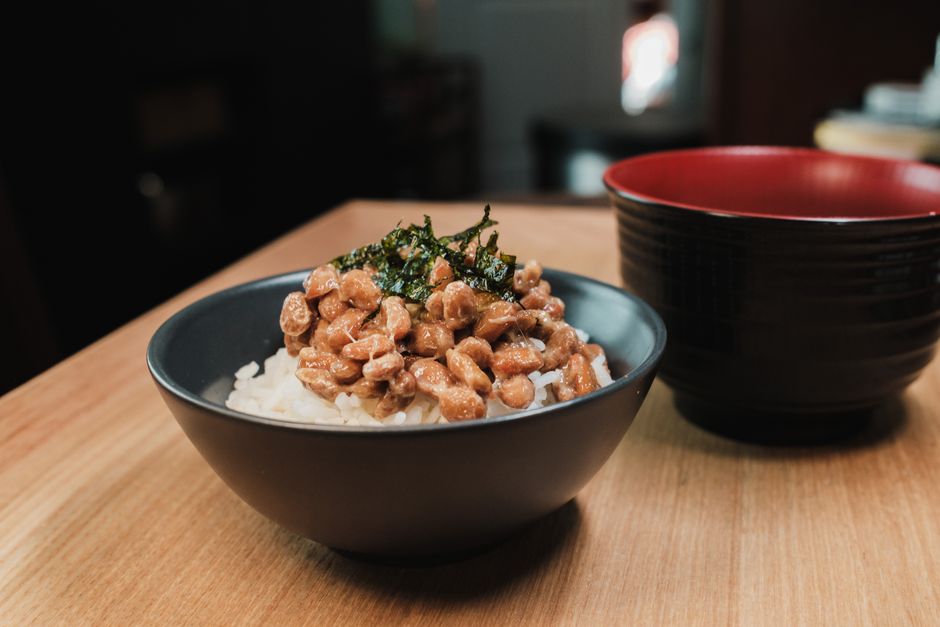
Soybeans are healthy for most people when eaten as whole or minimally processed foods like edamame, tofu, tempeh, and soy milk. Research from major health organizations including the FDA and the American Heart Association shows that soy protein can help lower cholesterol and reduce heart disease risk. The confusion around soy comes from processed soy products and exaggerated claims about its hormones — the actual evidence is clearer than most headlines suggest.
What Is in Soybeans That Affects Your Health?
Soybeans are legumes. They contain protein, fiber, healthy fats, vitamins, and minerals. A half-cup of cooked soybeans gives you about 15 grams of protein, 5 grams of fiber, and significant amounts of iron, calcium, and magnesium.
The unique compounds in soy are isoflavones. These are plant-based compounds that look a bit like estrogen in structure. That similarity is where most of the fear and confusion comes from. But looking like estrogen and acting like estrogen in the human body are two very different things.
Soy also contains saponins, phytosterols, and lecithin. These compounds have been studied for their effects on cholesterol and inflammation. The combination of nutrients and plant compounds is what makes whole soy foods different from processed soy products or soy supplements.
Does Soybean Consumption Affect Hormones in Men and Women?
This is the most common concern people have. The fear is that soy isoflavones act like estrogen and disrupt normal hormone function. The clinical evidence does not support this fear for whole soy foods eaten in normal amounts.
Studies published in the Journal of Nutrition and the American Journal of Clinical Nutrition have tested this directly. In men, consuming up to three servings of soy per day did not change testosterone or estrogen levels in any meaningful way. In women, soy isoflavones can have a weak estrogen-like effect in some tissues and a blocking effect in others — it depends on the woman’s own estrogen levels and the type of tissue involved.
For premenopausal women with normal estrogen levels, soy isoflavones tend to block estrogen receptors slightly. For postmenopausal women with low estrogen, soy isoflavones can provide a mild estrogen-like effect that may help with hot flashes. The effect is not strong enough to replace hormone therapy, but some women report relief from symptoms.
The key distinction is between isoflavones from food and concentrated isoflavone supplements. Supplements can deliver much higher doses than food. Some studies suggest high-dose isoflavone supplements may have effects on hormone levels that whole soy foods do not. The evidence is not conclusive either way, but it is a reason to stick with food sources rather than pills.
What Does Research on Soybean and Heart Health Show?
The evidence for soy and heart health is strong. The FDA allows a health claim for soy protein and reduced risk of coronary heart disease. This is based on research showing that 25 grams of soy protein per day can lower LDL cholesterol by about 4 to 6 percent.
Research published in the journal Circulation found that replacing animal protein with soy protein reduced total cholesterol and LDL cholesterol without affecting HDL cholesterol. The effect is modest but consistent. For someone with borderline high cholesterol, adding soy foods can be one part of a larger dietary strategy.
The American Heart Association reviewed the evidence in 2020 and concluded that soy foods are beneficial for heart health primarily because they replace less healthy protein sources. Eating tofu instead of processed meat or fatty red meat improves your cholesterol profile. The benefit comes partly from the soy itself and partly from what you are not eating.
Soy also contains polyunsaturated fats and fiber, both of which support heart health independently. The combination makes whole soy foods a better choice than isolated soy protein added to processed foods.





Is Soybean Healthy For You When It Comes to Cancer Risk?
This is where the evidence gets more complex and people tend to overclaim in both directions. Some people claim soy prevents all cancers. Others claim it causes breast cancer. Neither is accurate.
Research on breast cancer is the most studied area. Large population studies in Asian countries where soy is a staple food show that women who eat soy regularly have lower rates of breast cancer. A meta-analysis published in the journal Cancer found that high soy intake was associated with a 25 percent lower risk of breast cancer in Asian women. The effect in Western women is smaller and less consistent, possibly because the amount of soy eaten is much lower.
For women who have had breast cancer, the evidence is reassuring. A study of over 6,000 breast cancer survivors found that those who ate soy foods had a lower risk of cancer recurrence and death. The study was published in the American Journal of Clinical Nutrition and followed women for over nine years.
For prostate cancer, the evidence is weaker but suggestive. Some studies show that men who eat soy have lower rates of prostate cancer. The mechanism is not well understood, and the studies are observational rather than clinical trials.
The bottom line is that whole soy foods are not linked to increased cancer risk in any major study. The fear about soy causing breast cancer comes from animal studies where rodents were fed extremely high doses of isoflavones — doses that a human would never reach through food. Those studies do not translate to normal human consumption.
What Are the Differences Between Whole Soy and Processed Soy Products?
This distinction matters more than most people realize. Whole soy foods are edamame, tofu, tempeh, miso, and soy milk. These contain the full range of nutrients and fiber found in the soybean. Processed soy products include soy protein isolate, texturized vegetable protein, and soy added to energy bars, protein powders, and processed meats.
| Type | Examples | Processing Level | Nutritional Quality |
|---|---|---|---|
| Whole soy | Edamame, tofu, tempeh, miso, soy milk | Minimal | High protein, fiber, vitamins, minerals |
| Fermented soy | Tempeh, miso, natto | Fermented | High protein, probiotics, improved nutrient absorption |
| Processed soy | Soy protein isolate, textured vegetable protein | Heavy | Protein only, fiber removed, additives common |
| Soy supplements | Isoflavone pills, soy protein powder | Extracted | Concentrated compounds, no whole food benefits |
Whole and fermented soy foods are the healthiest choices. Fermentation breaks down some of the compounds that can interfere with mineral absorption, making nutrients more available. Fermented soy foods also contain probiotics.
Processed soy products are not harmful in moderation, but they lack the fiber and micronutrients of whole soy. Soy protein isolate is commonly added to protein bars and shakes. It provides protein but little else. If you are eating soy for health benefits, whole food forms are the better choice.
Soy supplements are the most questionable form. There is no strong evidence that isolated isoflavone supplements provide the same benefits as whole soy foods. Some studies suggest they may even have different effects because the dose is higher and the other plant compounds are missing.
Can Soybeans Cause Digestive Issues or Allergies?
Soy is one of the eight most common food allergens in the United States. The FDA estimates that about 0.4 percent of children and 0.3 percent of adults have a soy allergy. Symptoms range from mild hives to severe anaphylaxis. If you have a known soy allergy, you need to avoid all soy products.
For people without allergies, soy can cause digestive discomfort in some cases. Soybeans contain oligosaccharides, which are complex sugars that the human body cannot digest fully. These sugars ferment in the gut and can cause gas and bloating. This is more common with whole soybeans than with tofu or tempeh, which have some of these sugars reduced during processing.
Fermented soy products like tempeh and miso are easier to digest because the fermentation process breaks down some of the problematic compounds. Soaking and cooking whole soybeans also reduces the oligosaccharide content.
Soy also contains compounds called phytates, which can bind to minerals like iron and zinc and reduce their absorption. This is not a concern for people who eat a varied diet with adequate mineral intake. It can be a concern for people who rely heavily on soy as a staple food without other mineral sources. Traditional Asian diets that include soy also include foods that enhance mineral absorption, like fermented vegetables and fish.
Common Misconceptions About Soybeans
The biggest misconception is that soy causes man boobs in men. This claim spread through internet forums and has been repeated endlessly despite no clinical evidence supporting it. A 2021 review of all available studies on soy and male hormones found no effect on testosterone or estrogen levels. The idea came from one case study of a man who drank three quarts of soy milk daily — an extreme amount that most people would never consume.
Another misconception is that all soy is genetically modified. About 94 percent of soy grown in the United States is genetically modified. But the majority of that soy is used for animal feed and soybean oil, not for human food products. Most tofu, tempeh, and soy milk sold in grocery stores is made from non-GMO soybeans. If this matters to you, look for organic or non-GMO labels.
A third misconception is that soy is unhealthy because it contains antinutrients. Antinutrients are compounds that reduce the absorption of certain minerals. But antinutrients are present in many healthy foods including spinach, beans, and whole grains. Cooking, soaking, and fermenting reduce antinutrient levels significantly. The benefits of eating soy outweigh the minor reduction in mineral absorption for most people.
Some people also believe that soy is bad for the thyroid. The concern is that isoflavones can interfere with thyroid function in people who already have low iodine levels. For people with normal iodine intake, eating soy in normal amounts does not cause thyroid problems. If you have hypothyroidism and take medication, you should take it on an empty stomach and wait at least four hours before eating soy foods, as soy can interfere with medication absorption.
Frequently Asked Questions
Is it safe to eat soy every day?
Yes, eating one to two servings of whole soy foods daily is safe for most people. This is consistent with how soy is eaten in Asian countries where it is a dietary staple.
Does soy cause breast cancer?
No, large population studies show that soy consumption is associated with lower breast cancer risk, not higher risk. The fear comes from animal studies that do not apply to normal human consumption.
Is soy milk a healthy alternative to cow milk?
Unsweetened soy milk is nutritionally similar to cow milk in protein and calcium content. It is a healthy alternative for people who cannot or choose not to drink dairy.
Can men eat soy without affecting their hormones?
Yes, multiple clinical studies confirm that normal soy consumption does not affect testosterone levels in men. The claims about soy feminizing men are not supported by evidence.
