
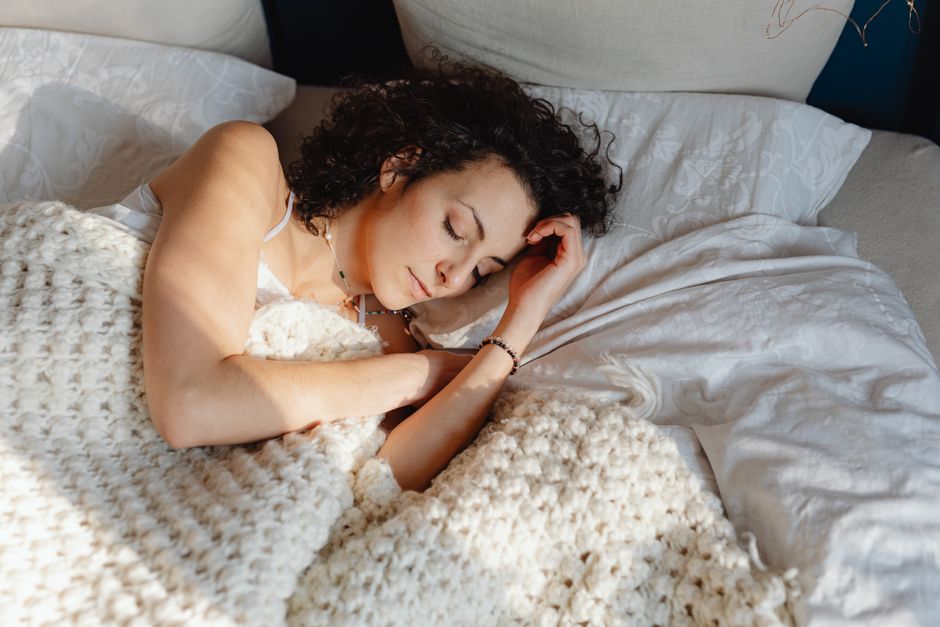
Sleeping is not a hobby. A hobby is an activity you choose to do for enjoyment or interest during your free time. Sleep is a biological requirement — your brain and body need it to function, and you cannot simply decide to skip it the way you could skip a hobby.
That said, the question is worth taking seriously. It touches on something real: how we categorize rest, why some people treat sleep as optional, and what happens when a basic need gets reframed as a leisure activity.
What Makes Something a Hobby?
A hobby has three defining features. It is voluntary, it is done for personal enjoyment or satisfaction, and it can be stopped without physical harm. Gardening, woodworking, reading fiction, playing chess — these fit the definition because you choose them and you can walk away from them.
Sleep fails all three tests. You do not choose to need it. You cannot indefinitely postpone it without serious consequences. And the drive to sleep is regulated by biological systems that operate whether you want them to or not.
The confusion may come from the fact that sleep can feel pleasurable. A good night’s rest feels satisfying. Napping on a Sunday afternoon can feel indulgent. But pleasure is not the same as choice, and satisfaction is not the same as a hobby.
Why Do People Call Sleep a Hobby?
Some people say “sleeping is my hobby” as a joke or a way to express how much they value rest. In a culture that often treats busyness as a virtue, claiming sleep as a hobby can be a lighthearted way of saying “I prioritize rest.”
There is also a practical dimension. People who work long hours, raise children, or manage chronic illness may feel that sleep is the only thing they do for themselves. Framing it as a hobby gives it a place in their identity that it might not otherwise have.
The problem is that this framing can blur an important line. If sleep is a hobby, it becomes optional. If it is a biological need, it does not. That distinction matters when someone is deciding whether to stay up late for one more episode or go to bed.
What Happens When Sleep Is Treated as Optional?
Sleep is not a passive state. During sleep, the brain consolidates memories, clears metabolic waste, and regulates hormones that control appetite, stress, and mood. The body repairs tissue and supports immune function. These processes are not optional extras — they are core functions.
When sleep is consistently cut short, the effects accumulate. Research consistently shows that chronic sleep deprivation is associated with impaired attention, slower reaction time, and worse emotional regulation. Over longer periods, it is linked to higher risk of conditions including cardiovascular disease, type 2 diabetes, and depression.
The relationship between sleep and mental health runs in both directions. Poor sleep can worsen symptoms of anxiety and depression, and those conditions can make sleep harder. This is one reason sleep is taken seriously in clinical settings rather than treated as a lifestyle preference.



How Much Sleep Do Adults Actually Need?
Most adults need seven to nine hours of sleep per night. This range is well established in sleep medicine and is consistent across major health organizations. Some people need slightly more or less, but the idea that you can train yourself to function well on five or six hours is not supported by evidence for most people.
Sleep need does not decline significantly with age in healthy adults, though sleep patterns often change. Older adults may wake more frequently during the night or go to bed earlier, but the underlying need for seven to nine hours remains.
There is a small group of people with a rare genetic trait who genuinely function well on less sleep. This is not something you can learn or develop. If you are chronically sleeping six hours and feel fine, it is worth checking whether you have adapted to the feeling of tiredness rather than actually needing less sleep.
Can Sleep Be a Leisure Activity?
Resting can be leisure. Lying down, closing your eyes, and letting your mind wander is a form of rest that many people enjoy. Napping, when it does not interfere with nighttime sleep, can be a pleasant way to spend part of an afternoon.
But there is a difference between rest as leisure and sleep as a hobby. Rest is something you can choose to do. Sleep is something your body requires. You can enjoy a nap the way you enjoy a walk, but you cannot choose to need sleep the way you choose to need a walk.
The distinction matters most when someone is struggling. If you are sleeping far more than usual, or far less, or if sleep feels like the only thing you look forward to, that is worth paying attention to. It may be a sign of an underlying issue — physical or mental — that deserves professional support.
Is It Healthy to Sleep More Than Nine Hours?
For most adults, regularly sleeping more than nine hours per night is not associated with better health outcomes. Some studies suggest that long sleep duration is linked to increased risk of certain health conditions, though the relationship is not fully understood. It may be that long sleep is a marker of underlying illness rather than a cause.
If you consistently need more than nine hours to feel rested, or if you feel tired despite adequate sleep, it is worth talking to a doctor. Conditions like sleep apnea, thyroid disorders, and depression can all affect sleep need and sleep quality.
Occasional long sleep — after illness, travel, or a stretch of poor sleep — is normal. The concern is a pattern, not a single night.
What About People Who Say They Love Sleep?
Loving sleep is not the same as sleep being a hobby. You can love eating, but eating is not a hobby — it is a biological necessity. You can love breathing, but breathing is not a hobby. Sleep belongs in the same category.
What people often mean when they say they love sleep is that they love rest, or they love the feeling of being off-duty, or they love their bed. Those are real pleasures. They are just not the same as a hobby.
There is nothing wrong with enjoying sleep. The issue is only when enjoyment gets confused with choice. You do not choose to need sleep any more than you choose to need water. You can choose how you prioritize it, and that choice matters.
Why Does the Distinction Matter?
Words shape how we treat things. If sleep is a hobby, it is something you do when you have time. If sleep is a biological need, it is something you build your life around. The second framing leads to better decisions.
This is not about being rigid. It is about being accurate. When you treat sleep as optional, you are more likely to cut it short for work, screens, or social plans. When you treat it as a need, you protect it the way you protect meals or medical care.
The distinction also matters for how we talk about rest in general. Rest is not laziness. Sleep is not indulgence. Both are part of how the body and brain maintain themselves. Treating them as optional extras is a cultural habit, not a biological reality.
Frequently Asked Questions
Is sleeping a hobby or a need?
Sleeping is a biological need, not a hobby. A hobby is voluntary and can be stopped without harm, while sleep is required for basic brain and body function.
Why do people say sleep is their hobby?
People often say this as a lighthearted way to express that they value rest or enjoy napping. It is a figure of speech rather than a literal category.
How many hours of sleep do adults need?
Most adults need seven to nine hours per night, according to established sleep medicine guidelines. Individual needs vary slightly, but the range is consistent across major health organizations.
Can you train yourself to need less sleep?
No. The idea that you can adapt to chronic short sleep is not supported by evidence for most people. A rare genetic trait allows a small number of people to function well on less sleep, but this cannot be learned.
