
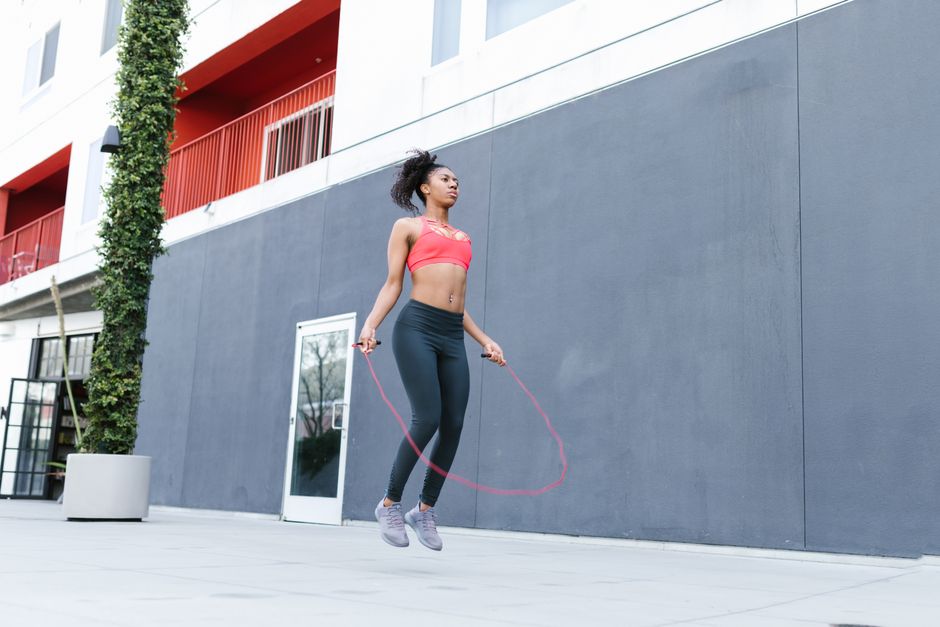
Skipping — jumping rope — is one of the most efficient forms of cardio you can do. Yes, skipping is excellent for fitness. It improves cardiovascular endurance, builds coordination, strengthens bones, and burns a significant number of calories in a short time. It is a full-body workout that requires minimal equipment and can be done almost anywhere, making it a practical choice for most healthy adults.
What Are the Main Fitness Benefits of Skipping?
Skipping delivers a wide range of physical benefits that make it a staple in boxing gyms and athletic training programs. The primary benefit is cardiovascular conditioning. When you skip at a moderate pace, your heart rate rises quickly, challenging your heart and lungs in a way similar to running or cycling.
Research consistently shows that high-intensity interval training, which skipping fits into perfectly, improves maximal oxygen uptake (VO2 max) more effectively than steady-state cardio in shorter total workout times. VO2 max is a key indicator of aerobic endurance, so improving it means your body uses oxygen more efficiently during exercise.
Beyond the heart, skipping is a weight-bearing exercise. This means your bones and joints experience healthy stress that stimulates bone density. This is particularly relevant for adults over 35, as bone density naturally begins to decline around age 30. Regular weight-bearing activity like skipping helps slow that process.
The sport also demands coordination and proprioception — your sense of where your body is in space. Timing your jumps with the rope’s rotation trains your brain-body connection. Many athletes use skipping to improve footwork, agility, and rhythm, all of which transfer to better performance in other sports.
How Many Calories Does Skipping Burn?
Calorie burn is one of the biggest draws. The exact number depends on your body weight and intensity, but the estimates are impressive. A person weighing 155 pounds burns roughly 300 calories in 30 minutes of moderate skipping. At a vigorous pace, that number climbs to around 420 calories in the same 30 minutes.
To put that in perspective, running at a 10-minute-mile pace burns about 350 calories for the same person in 30 minutes. Skipping is comparable to running but requires no pavement, no special shoes, and no outdoor space. For time-crunched people, skipping offers a highly efficient calorie burn that competes with most traditional cardio.
High-intensity intervals take this further. Alternating 30 seconds of fast skipping with 30 seconds of rest creates an afterburn effect, technically called excess post-exercise oxygen consumption (EPOC). Your body continues burning extra calories for hours after the workout ends as it restores oxygen levels and repairs muscle tissue.
Is Skipping Harder on Joints Than Running?
Many people assume skipping is harsh on the knees and ankles because of the repeated jumping. The evidence suggests the opposite. Skipping is generally easier on joints than running because the impact forces are lower and more controlled.
When you run, each footstrike delivers an impact force of roughly 2.5 to 3 times your body weight. When you skip with proper form, you land on the balls of your feet with bent knees, absorbing impact through the calf muscles and Achilles tendon. The ground contact is brief, and the landing is softer than a heel-strike running pattern.
That said, form matters enormously. Landing flat-footed with locked knees transmits force directly through the joints. Landing heavily on the heels is also problematic. The correct technique is to stay on the balls of your feet, keep your knees slightly bent, and jump just high enough for the rope to pass underneath — typically one to two inches off the ground.
People with existing knee problems, arthritis, or significant joint instability should consult a healthcare provider before starting a skipping routine. For healthy individuals without pre-existing conditions, skipping is a joint-friendly alternative to high-impact running.





What Muscles Does Skipping Work?
Skipping is not just a leg exercise. It is a coordinated full-body movement that recruits multiple muscle groups simultaneously.
The primary movers are the calves, specifically the gastrocnemius and soleus muscles. These muscles generate the explosive push-off for each jump. The quadriceps and hamstrings stabilize the knee joint through the landing phase. Your glutes assist in hip extension, particularly when you jump higher or perform double-unders — where the rope passes twice under your feet in one jump.
The upper body plays a supporting role. Your forearms and grip muscles control the rope’s rotation. The deltoids, or shoulder muscles, hold your arms at the correct angle. Your core muscles, including the abdominals and obliques, work continuously to keep your torso upright and stable throughout the movement.
An often-overlooked benefit is postural improvement. Skipping requires an upright torso and engaged core. Over time, this reinforces good posture habits that carry over into daily life, especially for people who spend hours sitting at desks.
How Often Should You Skip to See Results?
For general fitness, two to three sessions per week of 15 to 20 minutes is a reasonable starting point. This aligns with the American College of Sports Medicine’s guidance for cardiorespiratory exercise, which recommends at least 150 minutes of moderate-intensity aerobic activity or 75 minutes of vigorous-intensity activity per week.
Skipping counts toward that total. If you skip at a vigorous pace, 75 minutes per week — roughly three sessions of 25 minutes — meets the minimum requirement for cardiovascular health. Beginners should start with shorter sessions, around 5 to 10 minutes, and gradually increase duration as their endurance improves.
Rest days matter. Skipping places significant load on the calf muscles and Achilles tendons. These tissues need time to recover and adapt. Beginners should avoid skipping on consecutive days until their bodies adjust. Alternating skipping days with rest or other forms of exercise like strength training or walking is a sensible approach.
Visible changes in muscle tone and cardiovascular fitness typically appear within four to eight weeks of consistent training. Weight loss results depend on diet and total energy expenditure, not just exercise. Skipping creates the calorie deficit, but nutrition determines how much of that deficit translates into fat loss.
What Are Common Mistakes and How Do You Avoid Them?
Several technique errors reduce effectiveness and increase injury risk. The most common mistake is jumping too high. High jumps waste energy and increase landing impact. The rope only needs a few inches of clearance. Small, quick jumps are more efficient and easier on the body.
Another frequent error is excessive arm movement. The power for rope rotation should come from the wrists and forearms, not the shoulders. Your elbows should stay close to your body at roughly a 90-degree angle. Flailing arms tire quickly and disrupt rhythm.
Looking down at your feet is a natural habit for beginners, but it strains the neck and compromises posture. Focus your gaze straight ahead. You should feel the rope’s rhythm rather than watch it.
Choosing the right rope length prevents frustration. Stand on the middle of the rope with both feet. The handles should reach your armpits. Ropes that are too long catch on the ground; ropes that are too short force you into awkward postures.
Proper footwear is non-negotiable. Supportive athletic shoes with adequate cushioning protect the feet and ankles. Skipping barefoot or in unsupportive shoes increases the risk of calf strain and foot injuries.
Frequently Asked Questions
Is skipping better than running for fitness?
Both are effective forms of cardio. Skipping burns comparable calories to running in less time and places less impact stress on the joints, but running builds greater bone density in the lower body over long distances.
How many minutes of skipping should I do per day?
Fifteen to twenty minutes per session, three days per week, is a solid target for general fitness. Beginners should start with five to ten minute sessions and build up gradually to avoid calf and Achilles strain.
Can skipping help you lose belly fat?
Skipping burns calories and contributes to overall fat loss, but spot reduction is a myth. Fat loss occurs throughout the body based on genetics and total calorie deficit, not from targeting one area with exercise.
Is it safe to skip every day?
Skipping daily is not recommended for most people, especially beginners. The calf muscles and Achilles tendons need recovery time, so two to three sessions per week with rest days in between is the safer approach.
