
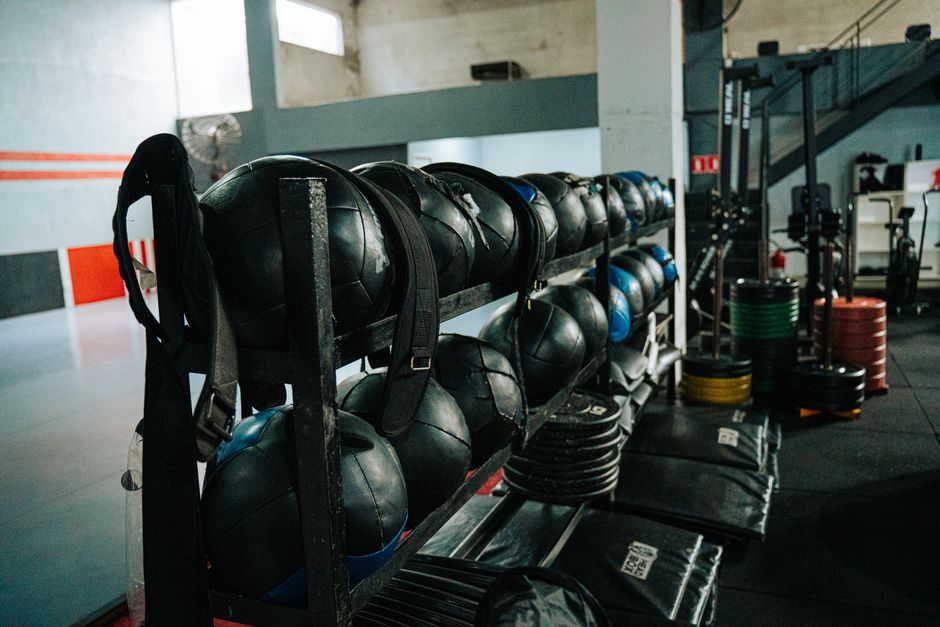
A weighted ball is exactly what it sounds like: a ball heavier or lighter than a standard baseball, used to train throwing speed, arm strength, and general fitness. Baseball players use them in structured throwing programs to build arm speed and power. Fitness users throw them for explosive upper-body and rotational training. The key to using them well is progression and control, not throwing as hard as you can on day one.
What Are Weighted Balls and How Do They Differ From Standard Baseballs?
A regulation baseball weighs between 5 and 5.25 ounces. Weighted baseballs used in training typically range from about 4 ounces on the light end to 2 pounds on the heavy end, depending on the program. The light balls train the arm to move faster. The heavy balls build strength and load tolerance.
The concept is called overload and underload training. Overload means throwing something heavier than normal to stress the muscles. Underload means throwing something lighter to let the arm move faster than it normally would. Both are used together in most throwing programs.
Weighted balls for fitness are different. They are usually medicine balls or small weighted spheres ranging from 2 to 20 pounds. You throw them against a wall or to a partner. The goal is power and rotational strength, not pitching mechanics.
One thing worth knowing: weighted baseballs are a training tool, not a game ball. You never use them in an actual game or in live pitching to a batter.
How Do Weighted Ball Programs Build Throwing Velocity?
The mechanism is straightforward. Throwing a lighter ball forces your arm to move faster than it would with a standard ball. Throwing a heavier ball recruits more muscle fibers and builds strength in the shoulder and forearm. Over time, the theory goes, your arm adapts and you throw a regular ball harder.
The evidence here is mixed. Some studies suggest weighted ball programs can increase throwing velocity in the short term. Other research indicates the gains may not hold up over a full season, and some findings raise concern about increased injury risk.
What the research does not show is a guaranteed path to a faster fastball. No study has confirmed that weighted ball training produces lasting velocity gains superior to a well-designed strength and throwing program using standard balls.
This matters because the marketing around weighted balls often promises more than the science supports. If a program claims to add a specific number of miles per hour to your fastball, that claim is not backed by strong evidence.
What is well established: throwing mechanics, arm care, and overall strength training all matter for velocity. Weighted balls are one tool among several, not a shortcut.
How To Use Weighted Balls For Baseball And Fitness Safely
Safety comes down to three things: proper warm-up, gradual progression, and listening to your arm.
Never start a weighted ball session cold. A thorough warm-up that includes light throwing, arm circles, and band work prepares the shoulder and elbow for the load. Most throwing programs build in a warm-up phase before any weighted throws.
Progression should be slow. Start with lighter balls and lower throw counts. Add weight and volume over weeks, not days. A common mistake is jumping to the heaviest ball too soon because it feels manageable in the moment.
Throw with intent but not at maximum effort every rep. Controlled throws with good mechanics build more useful strength than wild maximum-effort throws that break down your form.
- Warm up thoroughly before every session
- Start light and progress gradually over weeks
- Keep throw counts reasonable and track them
- Stop immediately if you feel sharp pain or a “dead arm” sensation
- Never throw weighted balls when your arm is already fatigued from pitching
The “dead arm” feeling is a real warning sign. If your arm feels heavy, slow, or painful, stop. Pushing through it is how overuse injuries happen.




What Does a Basic Weighted Ball Throwing Session Look Like?
A typical session has a warm-up, a series of throws with different ball weights, and a cool-down. The exact structure varies by program, but the general shape is consistent.
You start with a standard or light ball to get loose. Then you work through a set of throws with progressively heavier or lighter balls, depending on the goal of that day. Some programs alternate light and heavy. Others go from light to heavy to light again.
Throw distance matters too. Short throws emphasize arm speed. Long toss builds arm strength and extension. Many programs combine both.
For fitness users, the session looks different. You pick a medicine ball weight you can throw with power and control, then do a set number of throws against a wall or to a partner. Rotational throws, overhead throws, and scoop throws are common.
Rest between sets. This is power training, not conditioning. Quality matters more than quantity.
Who Should Avoid Weighted Ball Training?
Anyone with an active arm injury should not throw weighted balls. That includes shoulder pain, elbow pain, or any diagnosed injury that has not fully healed and been cleared by a doctor or physical therapist.
Youth athletes need extra caution. Growth plates in the shoulder and elbow are still open in young throwers, and the risk of growth plate injuries is real. No clinical guidelines currently exist for weighted ball use in children, and many sports medicine professionals advise against it for youth pitchers.
If you have had shoulder or elbow surgery, do not start a weighted ball program without clearance from your surgeon or physical therapist. The load these balls place on healing tissue can set back your recovery.
For healthy adults with no injury history, the risk is lower but not zero. Overuse injuries can still happen if you progress too fast or throw too often.
Weighted Balls vs. Standard Training: What Actually Works?
Here is the honest comparison. Standard throwing with a regulation ball, combined with strength training, is the foundation of every proven throwing development program. Weighted balls are an add-on, not a replacement.
If you had to choose one, choose the standard ball and a good strength program. If you want to add weighted balls, do it with a structured plan and realistic expectations.
| Training Method | Primary Goal | Evidence Strength |
|---|---|---|
| Standard ball throwing + strength training | Velocity, arm health, mechanics | Well established |
| Weighted ball programs | Velocity, arm speed | Mixed evidence |
| Medicine ball throws (fitness) | Power, rotational strength | Some evidence |
| Long toss | Arm strength, extension | Some evidence |
Medicine ball training for fitness has decent support for building power. Research on rotational power training shows it can improve explosive strength in the core and upper body. That applies to athletes in many sports, not just baseball.
The takeaway: weighted balls are a tool. They work best when paired with solid fundamentals, not used as a magic fix.
How Often Should You Train With Weighted Balls?
Frequency depends on your goals, your training age, and your recovery. Most throwing programs schedule weighted ball work two to three times per week, with rest days in between.
Throwing every day with weighted balls is a recipe for overuse. Your arm needs time to recover between sessions. The stress of throwing heavier or lighter than normal is real, even if it does not feel like much in the moment.
For fitness users doing medicine ball throws, two to three sessions per week is a common starting point. More is not always better. Power training works best when you are fresh.
Track how your arm feels. If you are consistently sore or fatigued, cut back. If you feel strong and recovered, you can maintain your frequency or progress slowly.
One non-obvious point: the rest days matter as much as the training days. Adaptation happens during recovery, not during the throw. Skipping rest undermines the whole point of the program.
Frequently Asked Questions
Do weighted balls actually increase pitching velocity?
Some studies suggest they can increase velocity in the short term, but the evidence is mixed and gains may not last. No study has confirmed they outperform a well-designed standard throwing and strength program.
Are weighted balls safe for youth baseball players?
Many sports medicine professionals advise against weighted ball training for youth pitchers because of growth plate injury risk. No clinical guidelines currently exist for this age group.
What size weighted ball should a beginner use?
Beginners should start with lighter balls and progress slowly over weeks. There is no single recommended starting weight, so follow a structured program or work with a qualified coach.
Can I use weighted balls for fitness if I do not play baseball?
Yes. Medicine ball throws are a common fitness tool for building rotational power and upper-body strength. Choose a weight you can throw with control and power, and rest between sets.
