
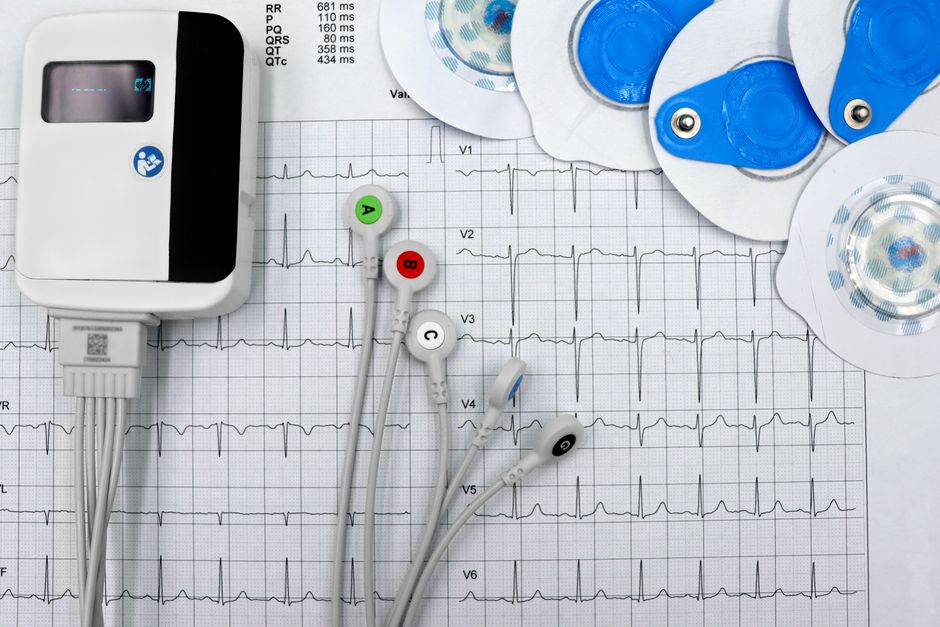
Sinus rhythm is the normal, expected heart rhythm. It is not bad. If your ECG report says “normal sinus rhythm,” it means your heart’s electrical system is doing exactly what it should.
The word “sinus” refers to the sinoatrial node, a small cluster of cells in the upper right chamber of your heart. This node acts as your heart’s natural pacemaker. It sends electrical signals that make your heart beat in a steady, coordinated way. When those signals follow the normal pathway at a normal rate, the result is sinus rhythm.
What matters is not whether you have sinus rhythm but whether your sinus rhythm is normal. The rate can be too fast, too slow, or irregular even when the signal starts in the right place. That distinction is where most confusion about ECG results comes from.
What Does Sinus Rhythm Mean on an ECG?
Sinus rhythm means the electrical impulse that triggered each heartbeat originated in the sinoatrial node. That is the defining feature. On the ECG tracing, this shows up as a consistent P wave before every QRS complex, with a regular spacing between beats.
The sinoatrial node sits in the wall of the right atrium. It fires spontaneously, roughly 60 to 100 times per minute in a healthy resting adult. That firing rate is not fixed. It shifts constantly based on what your body needs. When you sleep, it slows. When you climb stairs or feel frightened, it speeds up.
This is why sinus rhythm is better understood as a pattern than a single number. The node is in charge. The signal travels down through the atria, pauses briefly at the AV node, then moves into the ventricles. That pause lets the upper chambers finish emptying before the lower chambers contract. The result is an efficient, coordinated pump.
An ECG machine detects this pattern and labels it. The label “sinus rhythm” tells your doctor where the signal started. It does not, by itself, tell them whether the rate is appropriate for your situation.
Is Sinus Rhythm Bad What Your ECG Results Mean?
Sinus rhythm is not bad. It is the baseline normal rhythm of a functioning heart. The question your ECG is really answering is whether that rhythm is normal for you, at that moment, under those conditions.
Doctors look at several things beyond just the word “sinus”:
- Rate — how fast or slow the heart is beating
- Rhythm regularity — whether beats are evenly spaced
- P wave shape — whether the signal is truly coming from the sinus node
- Intervals — the timing of electrical signals through each part of the heart
- Waveform morphology — the shape and size of each electrical wave
A report of “normal sinus rhythm” means all of these fell within expected ranges. A report of “sinus tachycardia” means the rhythm is sinus but the rate is above 100 beats per minute. “Sinus bradycardia” means sinus rhythm below 60 beats per minute. Both can be completely normal depending on context. A trained athlete might rest at 45 beats per minute. Someone with a fever might sit at 110.
Context matters more than the label alone.
What Is the Difference Between Normal Sinus Rhythm and Other Sinus Patterns?
The sinus node can produce several distinct patterns. Each one means something different about what your heart is doing and why.
| ECG Label | What It Means | Common Context |
|---|---|---|
| Normal sinus rhythm | Rate 60–100 bpm, regular, normal signal pathway | Resting healthy adult |
| Sinus bradycardia | Sinus rhythm below 60 bpm | Athletes, sleep, some medications |
| Sinus tachycardia | Sinus rhythm above 100 bpm | Exercise, fever, stress, anemia, dehydration |
| Sinus arrhythmia | Sinus rhythm with slight beat-to-beat variation | Often tied to breathing; common and usually harmless |
| Sinus arrest | Sinus node pauses or fails to fire | Can cause dizziness or fainting; needs evaluation |
Sinus arrhythmia deserves a note. The heart rate naturally speeds up slightly when you breathe in and slows when you breathe out. This is called respiratory sinus arrhythmia. It reflects a healthy interaction between your nervous system and your heart. In younger people it is very common and generally not a concern.
Sinus arrest is different. Here the sinus node simply stops firing for a period. If the pause is long enough, you may feel lightheaded or faint. This pattern usually requires further testing to understand why the node is pausing.




When Should Sinus Rhythm Concern Your Doctor?
Sinus rhythm itself is not the concern. The concern is when the rate, regularity, or associated symptoms suggest the heart is not meeting the body’s needs.
Your doctor may look more closely if:
- Your resting heart rate is persistently below 60 bpm and you feel dizzy, tired, or short of breath
- Your heart rate stays above 100 bpm at rest without an obvious cause like fever or exercise
- You have fainting spells or near-fainting
- The P waves look abnormal, suggesting the signal may not truly be coming from the sinus node
- Other ECG intervals are outside normal ranges
Sinus bradycardia is worth unpacking. A slow heart rate is normal during sleep and in well-trained endurance athletes. But if your heart rate is slow and you feel faint, exhausted, or confused, that combination matters. The rate may be too slow for your body’s demands even though the rhythm itself is sinus.
Sinus tachycardia follows the same logic in reverse. A fast heart rate is a normal response to exercise, anxiety, pain, fever, or low blood pressure. It becomes worth investigating when it happens at rest, persists, or occurs without a clear trigger. In some cases it points to an underlying condition like anemia, an overactive thyroid, or dehydration.
Some clinicians describe the sinus node as a “smart” pacemaker because it responds to the body’s needs. When that responsiveness breaks down, the rhythm may still be sinus but no longer appropriate.
What Else Can an ECG Show Besides Sinus Rhythm?
An ECG captures far more than the rhythm label. It records the electrical activity of the heart from multiple angles, and the resulting tracings can reveal problems unrelated to where the beat started.
Conditions an ECG can help identify include:
- Atrial fibrillation — a fast, irregular rhythm originating in the atria rather than the sinus node
- Heart block — delayed or blocked signal between the atria and ventricles
- Bundle branch block — slowed conduction through one side of the ventricles
- Evidence of prior heart attack — certain wave patterns can suggest past damage
- Prolonged QT interval — a timing issue that can raise risk of dangerous rhythms in some people
- Left ventricular hypertrophy — thickened heart muscle, which can change the electrical signal
A normal sinus rhythm report does not rule these out entirely. The rhythm can be sinus while other parts of the tracing show abnormalities. That is why doctors read the whole ECG, not just the rhythm line at the top.
An ECG is also a snapshot. It records a few seconds to a few minutes of your heart’s activity. If your symptoms come and go, a single ECG may miss them. In those cases, your doctor might recommend a Holter monitor (worn for 24 to 48 hours) or a longer-term event recorder.
Does a Normal ECG Mean Your Heart Is Fine?
A normal ECG is reassuring, but it is not a complete picture of heart health. It confirms that your heart’s electrical activity looked normal during the recording. It does not evaluate how well your heart pumps, whether your coronary arteries are narrowed, or whether your heart muscle is healthy.
Other tests serve different purposes. An echocardiogram uses sound waves to show heart structure and pumping function. A stress test evaluates how your heart responds to exertion. Blood tests can check for markers of heart strain or other conditions.
Think of the ECG as one important piece of a larger assessment. If your ECG shows normal sinus rhythm and you have no symptoms, that is a good sign. If you have symptoms like chest pain, shortness of breath, or palpitations, those symptoms deserve attention regardless of what the ECG shows.
One more point about the word “normal.” On an ECG report, “normal” is a technical term meaning the findings fall within established reference ranges. It does not mean nothing could ever go wrong. It means that at the time of the recording, the electrical patterns were within expected limits.
Frequently Asked Questions
Is sinus rhythm a good thing?
Yes. Sinus rhythm is the normal rhythm of a healthy heart, meaning the signal starts in the right place and follows the correct pathway. It is the expected finding on an ECG for most people.
Can you have sinus rhythm and still have a heart problem?
Yes. The rhythm can be sinus while other parts of the ECG or other tests show abnormalities. Sinus rhythm tells you where the beat started, not whether the heart is entirely healthy.
What heart rate is normal in sinus rhythm?
Normal sinus rhythm in a resting adult is typically 60 to 100 beats per minute. Rates outside this range can still be sinus rhythm and may be normal depending on context, such as during sleep or exercise.
Should I worry about sinus bradycardia?
Not necessarily. A heart rate below 60 bpm is common in athletes and during sleep. It is worth discussing with your doctor if it comes with dizziness, fatigue, or fainting.
