
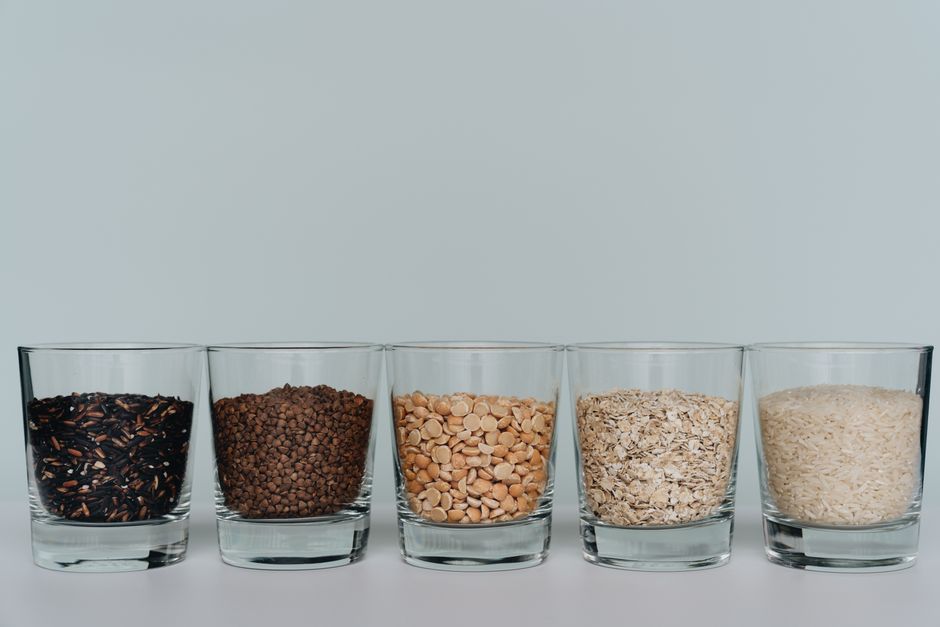
If you are constipated, brown rice is the better choice between the two. White rice is low in fiber and can slow things down. Brown rice keeps its bran layer, which is where most of the fiber lives, so it adds bulk and helps move stool through your system.
That said, neither type of rice is a treatment for constipation on its own. The difference comes down to fiber content — and brown rice has meaningfully more of it. What you eat alongside the rice matters just as much as which type you pick.
Is Rice Good For Constipation White Vs Brown?
White rice is not good for constipation. Brown rice can help.
The reason is fiber. Fiber adds bulk to stool and helps it hold water, which makes it softer and easier to pass. A cup of cooked brown rice contains roughly 3 to 4 grams of fiber. The same amount of cooked white rice has less than 1 gram.
That gap exists because of how the grains are processed. Brown rice is a whole grain — the bran, germ, and endosperm are all intact. White rice has had the bran and germ removed during milling. The bran is where most of the fiber sits. Remove it, and you remove the fiber along with it.
This does not make white rice “bad.” It just means white rice does not contribute much to the fiber you need for regular bowel movements. If constipation is your concern, brown rice is the more useful choice.
How Much Fiber Do You Actually Need?
Most adults need between 25 and 34 grams of fiber per day, according to the Dietary Guidelines for Americans. The exact amount depends on age and sex. Men generally need more than women. Older adults need slightly less than younger adults.
Here is the problem. Most people in the United States get only about 15 grams of fiber daily. That is roughly half of what is recommended. This shortfall is one of the most common reasons for chronic constipation.
Brown rice can help close that gap, but it will not close it alone. A single cup of brown rice gives you about 3 to 4 grams. That is a useful contribution but not a full solution. You still need fiber from other sources — vegetables, fruits, beans, and other whole grains.
There is one detail worth knowing. Fiber only helps constipation if you also drink enough water. Fiber absorbs water as it moves through your colon. Without enough fluid, fiber can actually make stool harder and more difficult to pass. So if you increase your fiber intake, increase your water intake too.
Does White Rice Make Constipation Worse?
White rice does not cause constipation, but it does not help it either. It is a low-fiber food that can replace higher-fiber options in your diet.
Think of it this way. Every meal has a limited amount of space. If white rice fills part of your plate, there is less room for foods that actually deliver fiber. Over time, a diet heavy in white rice and low in vegetables, fruits, and whole grains can contribute to constipation.
White rice is also a refined carbohydrate. Refined carbohydrates are digested quickly and can affect blood sugar more than whole grains. This is more relevant to blood sugar management than to constipation specifically, but it is part of the broader picture of how white rice fits into a healthy diet.
Some people find that white rice is easier on their stomach than brown rice. That is a real consideration for people with certain digestive conditions. If you have trouble tolerating brown rice, talk to your doctor about other fiber sources that work for you.





Brown Rice vs White Rice: Fiber and Nutrition Comparison
The table below shows approximate values for one cup of cooked rice. Values are based on USDA nutritional data.
| Nutrient | Brown Rice (1 cup cooked) | White Rice (1 cup cooked) |
|---|---|---|
| Fiber | 3-4 grams | Less than 1 gram |
| Calories | About 218 | About 205 |
| Carbohydrates | About 46 grams | About 45 grams |
| Protein | About 5 grams | About 4 grams |
| Magnesium | Higher | Lower |
| B Vitamins | Natural content | Often enriched |
The calorie difference is small. The fiber difference is not. Brown rice also retains more magnesium and other minerals because the bran and germ are intact. White rice is often enriched with B vitamins to replace some of what is lost during milling, but enrichment does not add back the fiber.
How to Add Brown Rice to Your Diet Without Discomfort
Jumping from very little fiber to a lot of fiber quickly can cause bloating, gas, and cramping. Your digestive system needs time to adjust.
Increase fiber gradually over a week or two. Start by swapping white rice for brown rice at one meal. Then add more fiber from other sources over time. Drink water throughout the day as you do this.
- Replace half your white rice with brown rice at first, then increase the ratio.
- Pair rice with vegetables or beans for a bigger fiber boost.
- Drink a glass of water with meals that contain high-fiber foods.
- Give your gut a week or two to adjust before adding more fiber.
If you have a digestive condition like irritable bowel syndrome (IBS), your tolerance for different types of fiber may vary. Some people with IBS do better with certain grains than others. This is something to discuss with your doctor or a registered dietitian rather than guess at.
Other Foods That Help With Constipation
Brown rice is one tool among many. These foods are well-established sources of fiber that can help with constipation:
- Beans and lentils — among the highest-fiber foods available
- Vegetables like broccoli, carrots, and spinach
- Fruits like apples, pears, and berries (with the skin when possible)
- Whole grains like oats, barley, and whole wheat
- Prunes and prune juice — long used for constipation and supported by some clinical evidence
Prunes deserve a specific mention. Some studies suggest they are more effective than other dried fruits for relieving constipation, though the evidence is not large enough to call them a proven treatment. They contain both fiber and sorbitol, a sugar alcohol that draws water into the intestines.
No single food fixes constipation. A diet with enough total fiber, enough water, and regular physical activity does more than any one ingredient.
When Constipation Is More Than a Diet Problem
Dietary fiber helps many cases of constipation. But constipation has other causes, and some of them need medical attention.
Constipation can be a side effect of medications. It can result from thyroid problems, nerve conditions, or structural issues in the colon. It can also be a symptom of a more serious condition.
See a doctor if you have:
- Constipation that lasts more than three weeks despite dietary changes
- Blood in your stool
- Unexplained weight loss
- Severe pain with bowel movements
- A sudden change in bowel habits that persists
These signs do not automatically mean something serious. But they are reasons to get checked rather than self-treat with diet alone. This is especially true if you are over 45 or have a family history of colon problems.
The Bottom Line on Rice and Constipation
Brown rice is the better choice for constipation because it contains more fiber. White rice is not harmful, but it does little to help and can crowd out higher-fiber foods if you eat it often.
Neither type of rice will fix constipation by itself. You need enough total fiber from a range of foods, enough water, and regular movement. If constipation persists despite these changes, or if you have warning signs like blood in your stool, see a doctor.
Frequently Asked Questions
Is white rice bad for constipation?
White rice is not bad in the sense of causing harm, but it does not help constipation because it is very low in fiber. Eating it often can replace higher-fiber foods in your diet.
How much fiber is in brown rice vs white rice?
One cup of cooked brown rice has about 3 to 4 grams of fiber, while the same amount of white rice has less than 1 gram. The difference comes from the bran layer, which is removed when white rice is milled.
Can eating rice every day cause constipation?
Eating white rice every day will not directly cause constipation, but a diet low in overall fiber can contribute to it. Brown rice is a better daily choice if constipation is a concern.
What should I eat with rice to help constipation?
Pair rice with high-fiber foods like beans, lentils, vegetables, or fruit. Drinking enough water alongside high-fiber meals is also important for keeping stool soft.
