
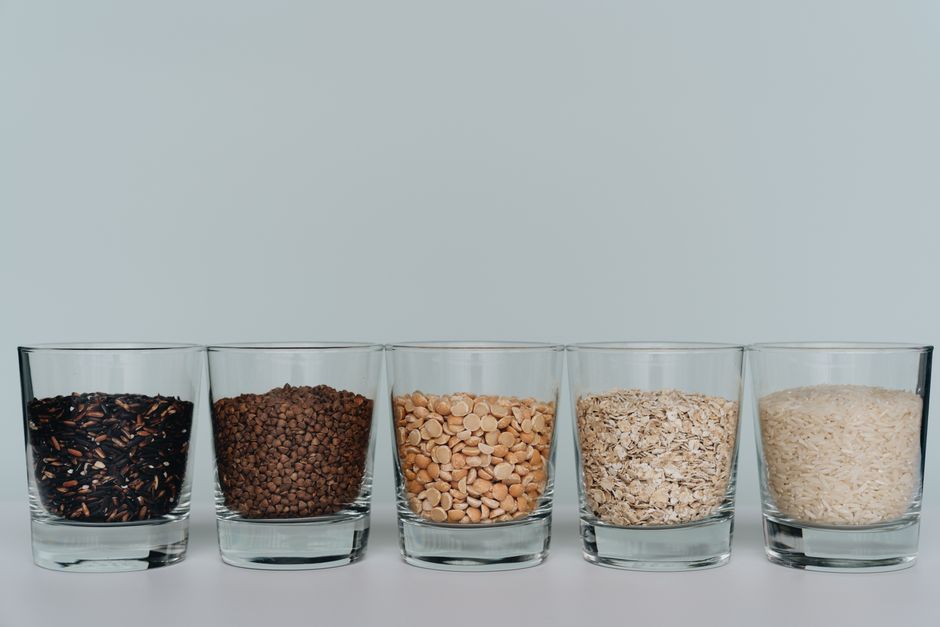
Yes, rice is a complex carbohydrate. All rice — white, brown, jasmine, basmati, and wild — is classified as a complex carb. This means its chemical structure is a long chain of sugar molecules. But the story does not end there. How your body processes rice depends heavily on the type of rice and what you eat with it. Many health articles oversimplify this. Let’s look at what the evidence actually says.
What Makes a Carb Complex vs. Simple?
Carbohydrates are classified by their chemical structure. Simple carbs are one or two sugar molecules linked together. Think table sugar (sucrose) or fruit sugar (fructose). Your body breaks these down very quickly. This causes a rapid spike in blood sugar.
Complex carbs are long chains of sugar molecules. Starches and fiber are the main types. Your body must work harder to break these chains. Digestion takes longer. Blood sugar rises more slowly. This is generally better for sustained energy and metabolic health.
Rice is a starch. All starches are complex carbs by definition. The confusion comes from how different types of rice behave in your body. White rice is a complex carb that has been stripped of its fiber-rich bran and germ. Brown rice keeps those parts intact. Both are complex. They just affect your body differently.
Is White Rice a Complex Carb or a Simple Carb?
White rice is a complex carb. It is not a simple sugar. The confusion often comes from how quickly white rice raises blood sugar. White rice has a high glycemic index. The glycemic index measures how fast a food raises blood sugar. White rice scores between 70 and 90 depending on the variety. That is high. Pure glucose scores 100.
But glycemic index is not the same as carb classification. White rice is still starch. It is still a long chain of glucose molecules. The problem is that white rice has very little fiber. The milling process removes the bran and germ. This leaves mostly the starchy endosperm. Your body can digest this starch quickly because there is no fiber to slow things down.
Research published in the British Medical Journal found that eating white rice regularly is linked to a higher risk of type 2 diabetes. But this is about quantity and context, not about white rice being a simple carb. A serving of white rice is still a complex carb. It just acts more like a simple carb in your bloodstream than brown rice does.
Does Brown Rice Behave Differently as a Complex Carb?
Yes. Brown rice is also a complex carb. But it behaves differently because it is a whole grain. The bran and germ remain intact. These layers contain fiber, vitamins, minerals, and antioxidants. The fiber slows down digestion significantly.
Studies have found that brown rice has a lower glycemic index than white rice. Brown rice typically scores around 50 to 65 on the glycemic index. This is considered medium to low. The fiber creates a physical barrier. Digestive enzymes cannot reach the starch as quickly. Blood sugar rises more gradually.
The American Heart Association recommends choosing whole grains like brown rice over refined grains like white rice. This is not because white rice is a simple carb. It is because the fiber and nutrients in brown rice provide additional health benefits. Brown rice also keeps you fuller longer. This can help with portion control.
One important clarification: brown rice is not a health miracle. It still contains arsenic. Rice absorbs arsenic from soil and water more than other grains. Brown rice has more arsenic than white rice because the arsenic collects in the bran. The FDA advises varying your grains. Do not eat rice every day. Mix in quinoa, oats, barley, and other grains.





How Does Processing Change Rice’s Carb Structure?
Processing changes rice in ways that matter. The most common processing is milling. This removes the husk, bran, and germ. What remains is the white endosperm. This is white rice. It is still a complex carb chemically. But the physical structure has changed.
Parboiled rice is another common form. Parboiling involves steaming the rice before milling. This process pushes some nutrients from the bran into the endosperm. Parboiled rice has a slightly lower glycemic index than regular white rice. Some research suggests it may be a better choice for blood sugar control.
Instant or minute rice is fully cooked and then dehydrated. This process breaks down the starch structure even more. Instant rice is digested very quickly. It has a higher glycemic index than regular white rice. It is still a complex carb. But it behaves very much like a simple carb in your body.
The table below shows how different rice types compare:
| Rice Type | Complex Carb? | Glycemic Index | Fiber per Cup (cooked) |
|---|---|---|---|
| White rice (long grain) | Yes | 70-80 | 0.6 g |
| Brown rice | Yes | 50-65 | 3.5 g |
| Basmati rice (white) | Yes | 58-69 | 0.8 g |
| Jasmine rice (white) | Yes | 80-89 | 0.5 g |
| Wild rice | Yes | 45-55 | 3.0 g |
Wild rice is technically not rice. It is a grass seed. But it is treated as a rice alternative. It has the lowest glycemic index and highest fiber of all options.
What Does Research Show About Rice and Blood Sugar?
Research consistently shows that the form of rice matters more than the simple question of complex versus simple. A study published in Diabetes Care followed over 150,000 women for 22 years. Women who ate five or more servings of white rice per week had a 17 percent higher risk of type 2 diabetes compared to those who ate less than one serving per month. Brown rice was linked to a lower risk.
But here is what gets left out of most articles. The same study found that replacing white rice with whole grains like brown rice was linked to a 36 percent lower diabetes risk. That is a large difference. But it does not mean white rice is bad. It means whole grains are better. The difference is meaningful.
Another study from Nutrition Reviews looked at how cooking and cooling rice affects its starch structure. Cooked and cooled rice forms resistant starch. Resistant starch is a type of starch that resists digestion. It acts more like fiber in your body. Cold rice salad or sushi rice that has been cooled has a lower glycemic impact than freshly cooked hot rice. This is a real effect. It is not a massive effect, but it is measurable.
Some people report feeling better after eating white rice compared to brown rice. This is likely because brown rice contains phytic acid and lectins. These compounds can cause digestive discomfort in some people. This is not a carb issue. It is a digestion issue. If brown rice bothers your stomach, white rice is fine. It is still a complex carb.
Should You Avoid Rice Because It Is a Complex Carb?
No. There is no reason to avoid rice because it is a complex carb. Complex carbs are the preferred energy source for your body and brain. The issue is portion size and frequency. A typical serving of cooked rice is about one cup. That provides around 45 grams of carbohydrates. For many people, that fits well into a balanced diet.
The Dietary Guidelines for Americans recommend that 45 to 65 percent of your daily calories come from carbohydrates. Rice can be part of this. The key is to pair rice with protein, healthy fat, and vegetables. This slows digestion further and stabilizes blood sugar. Eating rice alone on an empty stomach is what causes the biggest blood sugar spike.
Here are practical things to keep in mind:
- Choose brown, wild, or basmati rice for lower glycemic impact.
- Cool your rice after cooking to increase resistant starch.
- Pair rice with beans, chicken, fish, or tofu and plenty of vegetables.
- Limit rice to one serving per meal. One cup cooked is reasonable.
- Do not eat rice every day. Rotate with other grains like quinoa or oats.
There is no clinical evidence that rice is harmful for healthy people in normal amounts. The problem is when rice becomes the main food on your plate and you eat large portions multiple times per day. That is a portion problem, not a carb classification problem.
Common Misconceptions About Rice and Carbs
The biggest misconception is that white rice is a simple carb. It is not. It is a complex carb that has been refined. Refined complex carbs are still complex carbs. They just lack fiber and nutrients. This distinction matters because it changes how you think about food choices.
Another misconception is that all complex carbs are healthy. This is not true. A donut is made from refined flour, which is a complex carb. But a donut also contains sugar, unhealthy fats, and very little nutrition. The health value of a complex carb depends on what else is in the food. Rice alone is not unhealthy. But a diet of only white rice with nothing else will be missing important nutrients.
Some people claim that rice causes weight gain because it is a carb. Research does not support this. A study in the American Journal of Clinical Nutrition found no link between rice consumption and weight gain when calories were controlled. Weight gain comes from eating more calories than you burn. Rice is not special in this regard.
Frequently Asked Questions
Is rice a complex carb or a simple carb?
Rice is a complex carb. All varieties of rice are starches, which are long chains of sugar molecules classified as complex carbohydrates.
Is white rice bad for you because it is a complex carb?
White rice is not bad for you. It is a refined complex carb with less fiber than brown rice, but it can fit into a healthy diet in moderate portions.
Does cooling rice make it healthier?
Cooling cooked rice increases resistant starch, which lowers its glycemic impact. This is a real but modest effect.
What type of rice has the lowest glycemic index?
Wild rice has the lowest glycemic index, followed by brown rice and basmati rice. Jasmine and instant white rice have the highest.
