
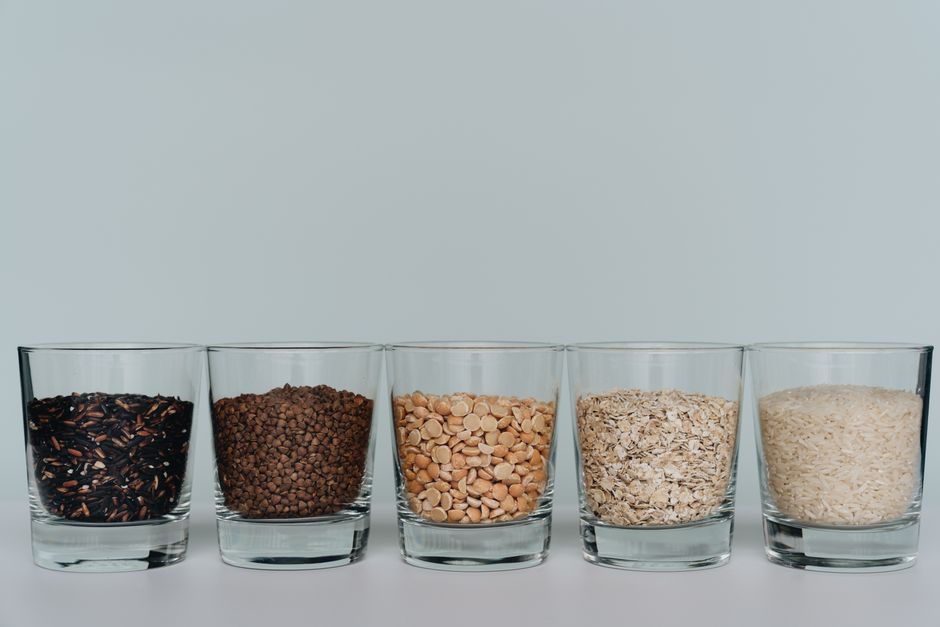
Craving raw rice is more common than many people realize. It is not a simple habit or a lack of willpower. For many, it is a specific eating behavior with identifiable causes, and it can be stopped with the right approach. The first step is understanding why the urge happens, and the second is replacing the behavior with a structured plan that addresses the underlying trigger.
Why Do I Crave Raw Rice?
The urge to eat raw, uncooked rice is a specific form of pica. Pica is the persistent eating of non-nutritive, non-food substances. While pica often involves things like dirt or chalk, raw rice falls into this category because it is not meant to be consumed in its dry, hard state. The craving is rarely about hunger. It is usually a signal from the body or the brain that something specific is out of balance.
The most well-documented cause is iron deficiency. Research consistently shows a strong link between iron deficiency anemia and pica behaviors, including ice, dirt, and raw starches. When iron levels drop, some people develop intense cravings for crunchy or starchy textures. The exact mechanism is not fully understood, but the pattern is clear in clinical practice. If you are craving raw rice, a blood test to check your iron and ferritin levels is a logical first step, not a guess.
Other nutrient deficiencies, such as zinc, are sometimes mentioned in connection with pica, but the evidence is less robust than it is for iron. Some research suggests a link, but it is not as consistently demonstrated. Do not assume a zinc issue without testing. The safest interpretation is that unexplained cravings for non-food textures warrant a medical evaluation, starting with iron status.
Is Eating Raw Rice Dangerous?
Yes, there are genuine risks. Raw rice is not sterile. It can contain Bacillus cereus, a bacterium that survives the drying process. Cooking kills these bacteria, but eating the rice raw allows them to enter your digestive system. This can cause food poisoning, leading to vomiting or diarrhea.
There is also a physical risk. Raw rice is hard and abrasive. Regular consumption can damage tooth enamel and cause micro-tears in the esophagus or digestive tract. Over time, this can lead to discomfort, inflammation, or more serious issues like intestinal blockages. A blockage occurs when the rice clumps together and cannot pass through the digestive system. This is a medical emergency that requires immediate attention.
Beyond the physical risks, the behavior itself can interfere with normal nutrition. If you are filling up on raw rice, you are likely eating less of the foods your body actually needs, which can worsen the underlying deficiency that started the craving in the first place. It becomes a cycle.
How To Stop Eating Raw Rice? Causes And Tips
Stopping the behavior requires addressing the root cause, not just the urge. If a blood test confirms an iron deficiency, the primary treatment is iron supplementation under medical supervision. As iron levels normalize, the cravings typically subside. This is the most effective and evidence-based solution.
For some people, the craving is less about a lab value and more about the sensory experience—the crunch, the texture, the act of chewing. In that case, the strategy shifts to finding a safe substitute that provides a similar sensation. This is a harm-reduction approach. It does not fix an underlying deficiency, but it stops the dangerous behavior.
Here are practical tips that can help:
- Get tested. Ask your doctor for a complete blood count and a ferritin test. Do not start iron supplements without knowing your levels, as excess iron can be harmful.
- Identify your trigger. Notice when the craving hits. Is it during stress, boredom, or after meals? Knowing the trigger helps you plan a response.
- Use a crunchy substitute. Ice chips, frozen grapes, or hard vegetables like carrots and celery can satisfy the crunch without the health risks. Some people find that chewing sugar-free gum helps.
- Remove access. If raw rice is in the pantry, it is easier to eat. Store it in an opaque container out of sight, or ask a family member to keep it in a different location.
- Delay the urge. Cravings are often intense but brief. Try waiting 10 minutes before acting on the urge. Use that time to drink a glass of water or go for a short walk.
- Eat regular meals. Skipping meals can make cravings worse. Keeping your blood sugar stable with balanced meals reduces the intensity of urges.





When Is It More Than Just A Habit?
Cravings for raw rice can happen to anyone, but certain groups are at higher risk. Pregnant women often experience pica, and it is frequently linked to the increased nutritional demands of pregnancy. If you are pregnant and craving raw rice, this is a critical point to mention to your obstetrician. Iron deficiency is common in pregnancy, and untreated anemia poses risks to both the parent and the baby.
People with a history of restrictive dieting or eating disorders may also be more susceptible. The behavior can become compulsive, meaning it feels impossible to resist even when you know it is harmful. If the craving feels out of control, or if you are hiding the behavior from family or friends, it is worth discussing with a mental health professional who specializes in eating behaviors.
There is also a distinction between a craving and a compulsion. A craving is a strong desire. A compulsion is an urge you act on despite negative consequences, often to relieve anxiety or tension. If you are experiencing compulsions, the treatment approach is different and may involve cognitive behavioral therapy rather than just dietary changes.
Will The Craving Go Away On Its Own?
In many cases, yes, but only if the underlying cause is resolved. If the craving is due to iron deficiency, the craving will persist until the iron stores are replenished. This is not a habit you can simply “unlearn” through willpower alone. The biological drive is too strong.
Once iron levels are back to normal, the craving usually fades within weeks. This is the most common outcome in clinical practice. However, if the craving is driven by stress or a sensory need, it may take longer to resolve. Behavioral strategies and substitutes can help during this period.
Be honest with yourself about the pattern. If you have been craving raw rice for months and have not sought medical advice, do that first. The longer the behavior continues, the higher the risk of dental damage and digestive issues. Early intervention is straightforward and effective.
Frequently Asked Questions
Can eating raw rice cause worms?
No, raw rice does not contain parasitic worms. The primary risk is bacterial contamination, specifically Bacillus cereus, which can cause food poisoning.
Is craving raw rice a sign of anemia?
It can be. Iron deficiency anemia is the most well-documented cause of pica cravings, including raw rice. A blood test is the only reliable way to confirm this.
How long does it take for the craving to stop after taking iron?
Once iron levels begin to normalize, cravings typically subside within a few weeks. The exact timeline depends on how severe the deficiency was and how well your body absorbs the supplement.
What can I eat instead of raw rice to satisfy the crunch?
Ice chips, frozen grapes, raw carrots, and celery are safe options that provide a similar crunchy texture. Chewing sugar-free gum can also help manage the urge.
