
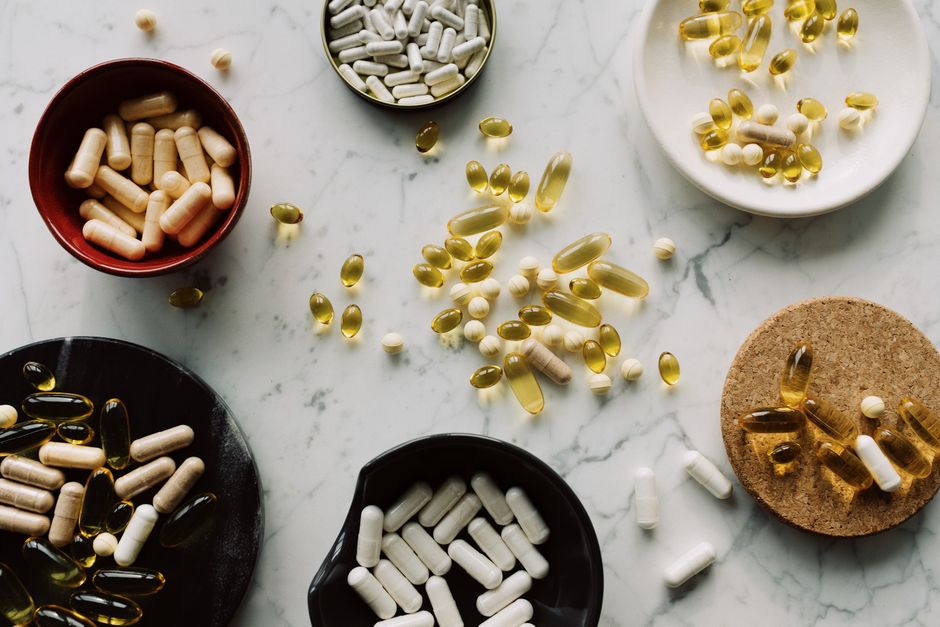
Renew Life is a well-known name in the probiotic aisle, but the brand’s reputation for quality rests on its own testing claims rather than on independent verification of every product it sells. That distinction matters more than most shoppers realize. The real question is not whether Renew Life is a “good” brand in general, but whether the specific product you pick has been tested to contain the organisms listed on its label and to survive the trip through your digestive system.
Is Renew Life a Good Probiotic and What Does Testing Actually Show?
Testing shows that some Renew Life products meet their label claims, while others have fallen short — the same pattern seen across the entire probiotic industry. No single brand holds a blanket pass or fail. What you can rely on is third-party verification of a specific product, not the brand name on the bottle.
Probiotics are regulated as dietary supplements in the United States, not as drugs. That means they are not required to prove effectiveness before they reach shelves. The U.S. Food and Drug Administration oversees supplements for safety and labeling, but it does not test each batch for the number of live organisms or whether the strains match the label. So the burden of proof shifts to the manufacturer and, ideally, to independent labs.
Renew Life states that it conducts its own testing for potency and purity. That is a meaningful claim, but self-testing is not the same as independent testing. A manufacturer testing its own product has an incentive that an outside lab does not. Some companies also use third-party certifications, and those carry more weight because an unrelated party is doing the checking.
What Do Independent Tests of Probiotic Supplements Generally Find?
Independent testing of probiotic supplements as a category has repeatedly found that a substantial share of products do not match their labels. Some contain fewer live organisms than claimed. Some contain organisms not listed. Some list species that testing cannot detect at all.
This is not unique to Renew Life. ConsumerLab, which independently tests supplements, has examined probiotic products across many brands and documented cases where labels did not match contents. The pattern is industry-wide, which is why the smartest approach is to look for products that carry independent verification rather than trusting a brand’s reputation.
The core problem is biology. Probiotics are living organisms. They die over time, and they die faster when exposed to heat, moisture, or poor storage. A product that tests at full potency on the day it leaves the factory may be well below that number by the time it sits in a warehouse, a delivery truck, and your kitchen cabinet.
This is why expiration dates and storage instructions on probiotic products matter. A product that requires refrigeration and is shipped warm may not deliver what the label promises, regardless of who made it.
How Can You Tell If a Specific Renew Life Product Is Well Tested?
You can tell a lot by reading the label carefully and looking for outside verification. The brand name alone tells you very little about a specific bottle.
- Strain identification. Look for full strain names, not just genus and species. “Lactobacillus rhamnosus GG” tells you more than “Lactobacillus rhamnosus.”
- CFU count at time of use. The label should state colony-forming units (CFU) as a number guaranteed through the expiration date, not just at the time of manufacture.
- Third-party certification. Seals from independent testing organizations indicate an outside lab has checked the product.
- Storage instructions. Follow them. A refrigerated product shipped and stored warm may not meet its label claim.
- Expiration date. An expired probiotic may contain far fewer live organisms than the label states.
If a product lists only “proprietary blend” without individual strain names and counts, you have no way to verify what is inside or how much. That is a limitation regardless of brand.





Does the Number of CFU on a Renew Life Label Mean Anything?
The CFU number means something only if it is guaranteed through the expiration date and the product has been stored correctly. A high number on the front of the bottle is not automatically better.
More is not always better with probiotics. Different strains have different roles, and the evidence for benefit is strain-specific, not dose-specific in a simple way. A product with 50 billion CFU is not necessarily more helpful than one with 5 billion CFU if the strains and the clinical evidence behind them differ.
The important qualifier is “through expiration.” Some products state a CFU count “at time of manufacture,” which can overstate what is actually alive when you take it. A product guaranteed at expiration is making a stronger, more testable promise.
What Does the Evidence Say About Probiotics Actually Working?
The evidence for probiotics is real but narrow. It is strongest for specific strains used for specific conditions, not for the general idea of “taking a probiotic.”
Research has found reasonable evidence for certain probiotic strains in reducing antibiotic-associated diarrhea and in some cases of infectious diarrhea. Evidence for other uses — like general digestive wellness, immune support, or weight management — is much weaker or absent. Those are common marketing claims, and they are not well supported by large human trials.
This is the key point. A product can be accurately labeled, properly tested, and contain live organisms, and still not deliver a proven health benefit for the reason you bought it. Label accuracy and clinical effectiveness are two separate questions. Renew Life, like every brand, can only be judged product by product and use by use.
Some clinicians recommend specific probiotic strains for specific situations. That is different from a general recommendation to take a daily probiotic, which the evidence does not strongly support for healthy adults.
Are There Risks to Taking Renew Life Probiotics?
For most healthy people, probiotics are generally well tolerated, with gas or mild digestive changes being the most common complaints. But “generally well tolerated” is not the same as “risk-free for everyone.”
People with weakened immune systems, serious underlying illness, or central venous catheters face a higher risk of infection from probiotic organisms, including rare cases of bloodstream infection. This is documented in the medical literature. If you fall into one of these groups, talk to your doctor before starting any probiotic.
Probiotics are also not appropriate for everyone with a digestive complaint. Symptoms like persistent diarrhea, blood in the stool, or unexplained weight loss need medical evaluation, not a supplement.
How Does Renew Life Compare to Other Probiotic Brands?
Renew Life competes in a crowded field where no brand has a clear, independently verified quality advantage across its entire product line. The differences between brands tend to be in formulation, strain selection, and whether they pursue third-party certification.
What separates products is not the logo but the specifics: which strains, how many, guaranteed through when, and whether an outside lab has verified the contents. A store-brand probiotic with independent certification may be a better bet than a well-known brand without it.
| What to Check | Why It Matters |
|---|---|
| Full strain names | Benefits are strain-specific, not species-wide |
| CFU guaranteed through expiration | Live organisms die over time |
| Third-party certification | Independent verification of label claims |
| Storage instructions | Heat and moisture reduce potency |
| Evidence for your specific use | Label accuracy does not equal proven benefit |
The Bottom Line on Renew Life Testing
Renew Life is a legitimate, widely sold probiotic brand that states it tests its products. That is a reasonable starting point, but it is not proof that any specific bottle matches its label or will help you.
The honest position is this: no brand, including Renew Life, can be called a “good probiotic” in the abstract. Quality varies by product, by batch, and by how it was stored. If you want to reduce your risk of buying a product that does not match its label, look for independent third-party testing, full strain names, and a CFU count guaranteed through expiration.
And keep your expectations calibrated. Even a perfectly made probiotic only has strong evidence behind it for a limited set of uses. For most general wellness claims, the evidence is not there.
Frequently Asked Questions
Is Renew Life a good probiotic brand?
Renew Life is a legitimate brand that states it tests its products, but no brand can be judged as a whole because quality varies by specific product. Look for independent third-party certification on the exact product you buy.
Does Renew Life probiotic testing prove the label is accurate?
The company’s own testing is not the same as independent verification, and self-testing carries an inherent conflict of interest. Third-party certification from an outside lab provides stronger evidence that a product matches its label.
Do probiotics like Renew Life actually work?
Evidence is strongest for specific strains used for specific conditions, such as reducing antibiotic-associated diarrhea. For general wellness, immune support, or weight management, the evidence is weak or absent.
Are probiotics safe for everyone?
Most healthy people tolerate probiotics well, with gas or mild digestive changes being the most common complaints. People with weakened immune systems or serious illness should talk to a doctor first, because rare infections have been documented.
