
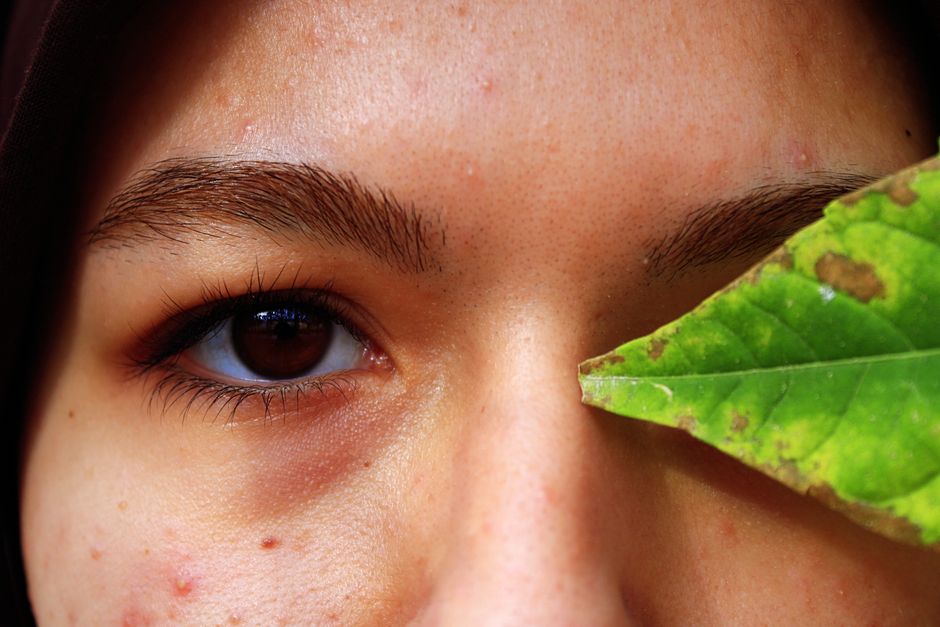
Eyelash lice are pubic lice that have moved onto the eyelashes. The medical name for these insects is Pthirus pubis, and they are a different species from head lice. You get them on the lashes mainly through close body contact with someone who has pubic lice, or by using a shared towel, washcloth, or bedding. They do not jump, they do not fly, and they do not come from dirty eyelashes.
This is a treatable condition. But the treatment for eyelash lice is not the same as the shampoo you would buy for head lice, and some over-the-counter products can seriously harm your eyes. That distinction matters more than almost anything else in this article.
How Do You Get Eyelash Lice Causes?
The cause is direct contact with Pthirus pubis, commonly called pubic lice or crab lice. These insects normally live in coarse body hair — the pubic area, armpits, chest hair, and sometimes the beard. The eyelashes are an unusual but well-documented location.
Transmission happens in a few specific ways:
- Close body contact with a person who has pubic lice. This is the most common route. Sexual contact is one form, but any prolonged skin-to-skin contact in the pubic region can spread them.
- Shared personal items — towels, washcloths, bedding, and clothing that recently touched an infested person. Lice can survive a short time away from a human body, though they need blood to survive and will die without a host.
- Hand transfer. Touching infested pubic hair and then touching your own eye area is a plausible route, especially in children, though it is not the main way this spreads.
One thing worth clearing up: eyelash lice are not the same as head lice. Head lice (Pediculus humanus capitis) live on the scalp and rarely involve the eyelashes. Pubic lice have claws shaped to grip thicker hair, which is why they can attach to lashes but generally do not thrive on scalp hair. If someone tells you head lice caused your eyelash problem, that is usually wrong.
You cannot get eyelash lice from being unclean. Personal hygiene has nothing to do with it. Lice feed on blood regardless of how often you shower.
What Are the Signs of Eyelash Lice?
The most common sign is itching around the eyelids and lashes. The itch comes from an allergic reaction to lice saliva, not from the biting itself, which is why it can take a week or more to develop after infestation.
Other signs include:
- Visible lice or their eggs (nits) attached to the base of the eyelashes. Nits look like tiny oval specks, often tan or brownish, cemented to the hair shaft.
- Crusting or debris along the lash line, sometimes mistaken for poor hygiene or blepharitis.
- Redness and irritation of the eyelid margins.
- A sensation that something is moving on the lashes.
- In some cases, small bluish spots on the eyelid skin where lice have fed.
These signs overlap with several other eye conditions, including blepharitis, seborrheic dermatitis of the eyelids, and allergic reactions. A diagnosis is confirmed by finding a live louse or a viable nit attached to the lash. If you see something on your lashes and are not sure what it is, that is a reason to have a clinician look, not a reason to start treating blindly.
Can You Treat Eyelash Lice at Home?
No. This is the part where people get into trouble. The standard lice shampoos sold for head lice — products containing permethrin or pyrethrins — are not meant for the eye area. Getting these products in the eyes can cause significant irritation and, in some cases, injury. They should not be applied to the eyelashes.
Petroleum jelly (Vaseline) is sometimes described online as a home remedy for eyelash lice. The idea is that it smothers the lice. There is very little clinical evidence that this works reliably, and it is messy and difficult to apply safely near the eye. It is not a treatment I would describe as established.
What you should not do:
- Do not apply head lice shampoo to your eyelashes.
- Do not use vinegar, kerosene, or other home remedies near the eyes.
- Do not try to pick lice off with tweezers yourself. You can injure the eyelid or the eye.
- Do not assume it will clear on its own. Pubic lice do not go away without treatment.
There is one important exception to the “no home treatment” rule: if you find lice in the pubic area or other body hair as well, that area can be treated with standard lice products according to their label directions. The eyelashes need a different approach.


How Do Doctors Treat Eyelash Lice?
Treatment for eyelash lice is typically done by a clinician, often an eye doctor or dermatologist. The two approaches most commonly described in clinical literature are:
- Ophthalmic-grade petrolatum ointment applied to the eyelid margins, sometimes several times a day for a period of days to weeks. This is a medical-grade product, not the same as household petroleum jelly, and it is applied under clinical direction.
- Manual removal of lice and nits from the lashes, usually with fine forceps, done in a clinical setting.
Some clinicians also use prescription treatments, but the evidence base for specific drugs in the eye area is limited, and any medication applied near the eye carries its own risks. This is genuinely a situation where the treatment decision belongs to a clinician who can see your eyes.
Because pubic lice usually live in more than one place on the body, treatment often includes checking and treating the pubic area, armpits, and any other affected hair. Sexual partners should also be evaluated and treated, since reinfestation is common if a partner is not treated.
Bedding, towels, and clothing used in the days before treatment should be washed in hot water and dried on a hot cycle. Items that cannot be washed can be sealed in a plastic bag for a period of time long enough for any lice or nits to die off. The exact timeframe is often cited, but the general principle is that lice need a host and will not survive long without one.
How Long Does Eyelash Lice Last?
With proper treatment, eyelash lice can usually be cleared within a few weeks. The timeline depends on whether nits were fully removed, whether the pubic area was also treated, and whether partners were treated.
Itching can continue for a while even after the lice are gone, because the itch is an allergic response and the skin takes time to settle. Ongoing itching does not always mean treatment failed, but new nits appearing at the base of the lashes does suggest the infestation is still active.
If symptoms persist after treatment, or if you are not sure whether treatment worked, follow up with the clinician who treated you rather than starting a new treatment on your own.
How Do You Prevent Eyelash Lice?
Prevention comes down to avoiding the routes of transmission. Do not share towels, washcloths, or bedding with someone who has pubic lice. If you or a partner has pubic lice, both people should be treated at the same time to avoid passing them back and forth.
Wash shared items in hot water and dry them on a hot setting. Avoid close body contact with someone who has an active infestation until they have completed treatment.
There is no vaccine and no preventive medication. Avoiding contact with infested hair and infested personal items is the whole strategy.
One clarification that matters: eyelash lice are not a sign of poor hygiene, and they are not a sexually transmitted infection in the way that term is usually used, though sexual contact is one way they spread. They are simply insects that live on human hair and feed on blood. The stigma around them is not useful and does not reflect how they actually spread.
Frequently Asked Questions
Are eyelash lice the same as head lice?
No. Eyelash lice are usually pubic lice (Pthirus pubis), a different species from head lice. Head lice rarely involve the eyelashes because their claws are not shaped to grip lash hair.
Can I use head lice shampoo on my eyelashes?
No. Head lice shampoos containing permethrin or pyrethrins are not intended for the eye area and can cause serious eye irritation or injury. Treatment for eyelash lice should be directed by a clinician.
Do eyelash lice go away on their own?
No. Pubic lice need treatment to clear, and they will not resolve without it. If you suspect eyelash lice, see a clinician rather than waiting.
Can eyelash lice spread to other people in my household?
Yes, through shared towels, bedding, or close body contact. Anyone with close contact should be checked, and shared items should be washed in hot water.
