
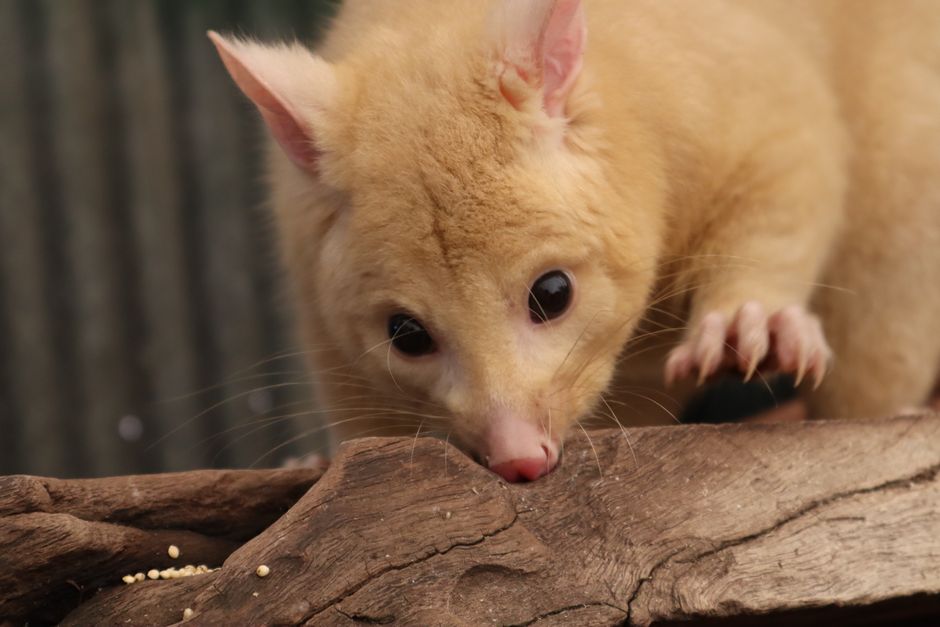
Possum droppings can carry harmful bacteria and parasites, so touching them is never a good idea. Breathing in dust from dried possum poop is also a real concern, because some of those organisms can become airborne. The two main risks are bacterial infections like leptospirosis and a parasite called Baylisascaris that can be passed along through contact with contaminated soil or dust.
What Is Actually In Possum Poop That Makes It Dangerous?
Possum feces can contain several pathogens that affect humans. The most serious is Baylisascaris procyonis, a roundworm that normally lives in raccoons but can also infect possums in some regions. The eggs of this parasite are shed in the animal’s feces and can survive in soil for years.
Bacteria are another concern. Leptospira, the bacteria that cause leptospirosis, can be present in possum urine and feces. Salmonella is also commonly found in the digestive tracts of wild animals, including possums. Both can cause serious illness in humans.
There is also a less common but real risk from Toxoplasma gondii, a parasite that can cause toxoplasmosis. This is especially dangerous for pregnant women and people with weakened immune systems.
Not every possum carries these pathogens. But there is no way to know by looking at the droppings whether they are infected. That is why the safe assumption is that any possum feces could be contaminated.
Can You Get Sick From Breathing In Possum Poop Dust?
Yes, you can. When dried possum droppings break apart, they can release fine dust particles into the air. If those particles contain Baylisascaris eggs or certain bacteria, inhaling them can introduce the pathogens directly into your respiratory system.
The Baylisascaris eggs are particularly concerning because they are sticky and can cling to dust particles. Once inhaled, the eggs can hatch in the intestines and the larvae can migrate through the body. This is called visceral larva migrans, and in severe cases the larvae can reach the brain and eyes, causing neurological damage.
Leptospirosis is less likely to be transmitted through inhalation, but it can happen if contaminated water droplets or dust are breathed in. The more common route is through broken skin or mucous membranes like the eyes, nose, or mouth.
This is not a theoretical risk that only affects people with compromised immune systems. Healthy adults have contracted serious illnesses from cleaning up animal feces without proper protection.
How Should You Clean Up Possum Poop Safely?
If you find possum droppings in your yard, attic, or garage, do not sweep or vacuum them dry. That only creates dust and spreads contamination. The correct approach is to wet the droppings first to keep particles from becoming airborne.
Here is the safe cleaning procedure:
- Put on disposable gloves, a mask that covers your nose and mouth, and eye protection.
- Spray the droppings and surrounding area with a bleach solution made from one part bleach to nine parts water. Let it sit for at least five minutes.
- Use a paper towel or disposable cloth to pick up the droppings and place them in a sealed plastic bag.
- Dispose of the bag in an outdoor trash can.
- Wash your hands thoroughly with soap and water after removing the gloves.
Do not use a regular household vacuum or a leaf blower on dried droppings. If you must vacuum an area where droppings were present, use a HEPA-filter vacuum and dispose of the bag immediately afterward.
Any clothing that came into contact with the droppings should be washed in hot water with detergent. Surfaces that cannot be bleached, like wood or concrete, should be scrubbed with hot soapy water and rinsed well.





What Happens If You Touch Possum Poop With Bare Hands?
Touching possum poop with bare hands does not automatically mean you will get sick. But it does create a risk, especially if you touch your face, mouth, or eyes before washing your hands.
The pathogens in possum feces enter the body through the mouth, nose, or broken skin. If you have a cut or scratch on your hand, bacteria like Leptospira can enter directly through that opening. Even without a visible cut, the bacteria can pass through mucous membranes if you touch your face.
Washing your hands immediately with soap and warm water for at least 20 seconds significantly reduces the risk. Hand sanitizer is not as effective against some of these pathogens, particularly Baylisascaris eggs, so soap and water is the better choice.
If you touched possum droppings and then ate food without washing your hands, the risk of ingesting pathogens is real. Symptoms of infection may take days or even weeks to appear, so it is worth monitoring yourself for signs of illness.
What Are The Symptoms Of These Infections?
Symptoms depend on which pathogen you were exposed to.
Leptospirosis typically starts with high fever, headache, chills, and muscle aches. It can progress to more severe illness involving the liver and kidneys if not treated. The incubation period is usually 5 to 14 days after exposure.
Salmonellosis causes diarrhea, fever, and stomach cramps within 6 to 72 hours after exposure. Most healthy people recover without medical treatment, but severe cases can require hospitalization for dehydration.
Baylisascaris infection is the most serious but also the rarest. Symptoms can include nausea, fatigue, and liver enlargement in the early stages. If the larvae migrate to the brain, symptoms may include loss of coordination, muscle weakness, and vision problems. This condition is difficult to treat and can cause permanent damage.
Toxoplasmosis often causes no symptoms at all in healthy adults. For pregnant women, however, it can cause serious complications for the unborn baby. People with weakened immune systems may experience flu-like symptoms or more severe complications.
If you develop any of these symptoms after exposure to possum droppings, contact a healthcare provider. Tell them about the exposure so they can order the appropriate tests.
Are Possums More Dangerous Than Other Wild Animal Poop?
Possum droppings are not the most dangerous animal feces you can encounter. Bat guano carries a risk of histoplasmosis, a fungal lung infection. Rat droppings can transmit hantavirus and leptospirosis. Raccoon feces are the primary source of Baylisascaris eggs.
Possums are actually less likely to carry rabies than many other mammals because their body temperature is lower than most warm-blooded animals. But that does not make their feces safe.
The risk from possum poop is real but manageable. The key difference is that possums tend to defecate in one spot repeatedly, creating a latrine. This concentrates the pathogens in a small area, which can increase the risk of exposure if that area is disturbed.
If you find a concentrated pile of droppings, treat it as a higher-risk situation than a single isolated dropping. The concentration of eggs and bacteria is likely much higher.
Can Pets Get Sick From Possum Poop?
Yes, dogs and cats can become infected from possum feces. Dogs in particular may sniff or even eat droppings, which puts them at risk for Baylisascaris infection and salmonellosis.
Pets can also track contaminated material into the house on their paws, which is how some human exposures happen. If your pet has been in an area where possums are active, wipe their paws with a damp cloth before letting them inside.
There is no vaccine for Baylisascaris in dogs. The best prevention is keeping pets away from areas where possums are known to defecate and having your veterinarian perform regular fecal exams.
If your pet shows signs of illness after being around possum droppings — vomiting, diarrhea, lethargy, or loss of appetite — take them to a veterinarian and mention the possible exposure.
How Do You Prevent Possums From Pooping On Your Property?
Prevention is more effective than cleanup. Possums are attracted to food sources, shelter, and water. Remove those and they will move elsewhere.
Secure trash cans with tight-fitting lids. Do not leave pet food outside overnight. Pick up fallen fruit from trees. Close off access to crawl spaces, attics, and under-deck areas where possums like to nest.
Possums are nocturnal, so you may not see them. But you will see their droppings. They are about 1 to 2 inches long, dark brown, and often have a slight curve. They are frequently found near patios, garages, and along fence lines.
If possums keep returning despite removing food sources, consider contacting a wildlife removal service. They can identify entry points and install exclusion measures that keep the animals out without harming them.
Frequently Asked Questions
Can you get sick from touching possum poop?
Yes, touching possum poop can expose you to bacteria like Leptospira and Salmonella. The risk increases if you have cuts on your hands or touch your face before washing thoroughly.
Is breathing possum poop dust dangerous?
Yes, dried possum droppings can release dust containing parasite eggs and bacteria into the air. Inhaling this dust can introduce pathogens into your respiratory system.
How long does it take to get sick from possum poop exposure?
It depends on the pathogen. Salmonella symptoms can appear within 6 to 72 hours, while leptospirosis typically takes 5 to 14 days. Baylisascaris symptoms may take weeks to appear.
Is it safe to vacuum possum poop?
No, vacuuming dried possum droppings creates dust that can spread pathogens into the air. Always wet the droppings first and use disposable materials for cleanup.
