
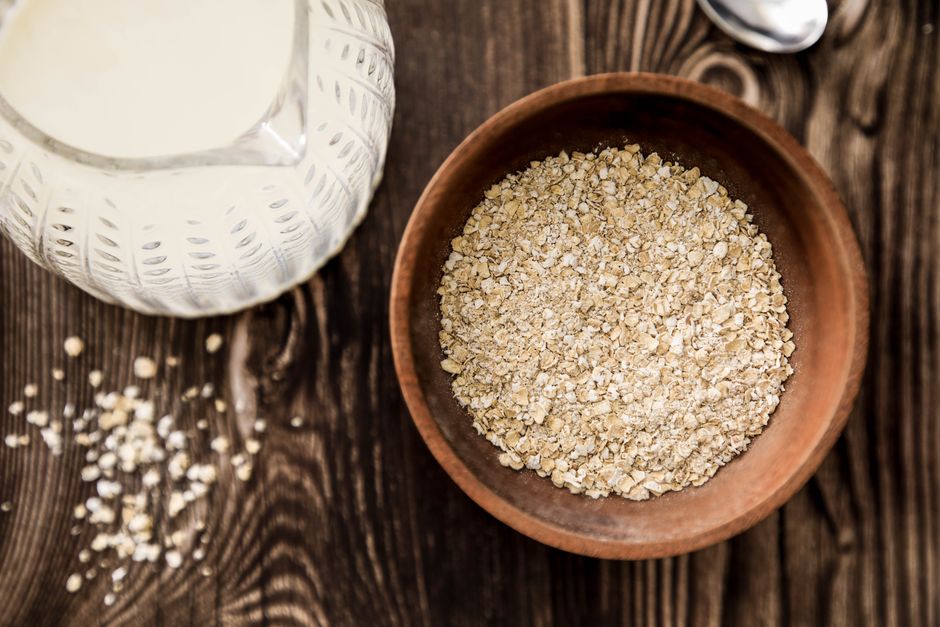
Porridge can be good for IBS, but it depends on the type of oats you use, how much you eat, and what you add to it. Oats are naturally low in FODMAPs in standard serving sizes, making them a safe choice for many people on a low-FODMAP diet. However, large portions, certain toppings, and individual sensitivities can trigger symptoms. This article explains how to choose and prepare porridge to minimize IBS discomfort.
What is the FODMAP content of oats?
Oats are considered low FODMAP in amounts of ½ cup (52 grams) dry rolled oats. This serving size is used in the Monash University low-FODMAP diet guidelines, which are the current standard for managing IBS through diet. Steel-cut oats and quick oats have similar FODMAP levels when measured dry.
The key is portion control. Eating more than the recommended serving can push the total fructan content high enough to cause gas, bloating, or pain in sensitive individuals. Stick to the ½-cup dry measure and check your own tolerance after a few days.
Most types of plain oats—rolled, steel-cut, and quick—are low FODMAP when eaten in the right amount. Avoid flavored instant oatmeal packets; they often contain high-FODMAP additives like honey, dried fruit, or milk powder.
Can porridge trigger IBS symptoms?
Yes, porridge can trigger symptoms in some people, even when the oats themselves are low FODMAP. The most common reasons are:
- Portion size – Eating more than ½ cup dry oats can make the meal moderate or high in fructans.
- Toppings and mix-ins – Milk (lactose), honey, agave, apples, pears, stone fruits, and many nuts are high FODMAP and can cause symptoms.
- Soluble fiber load – Oats are rich in beta-glucan, a soluble fiber that can cause gas or bloating if you are not used to high-fiber foods. Gradually increase fiber over a few weeks.
- Gluten cross-reactivity – While oats are naturally gluten-free, many are processed in facilities that also handle wheat. A small subgroup of people with IBS react to avenin (a protein in oats) or to trace gluten. If you notice symptoms from regular oats, try certified gluten-free oats.
Some research suggests that a small percentage of people with IBS have an immune reaction to avenin, though this is not well established in clinical guidelines. If you suspect oats bother you, keep a food diary and try eliminating them for two weeks before reintroducing.
Tips for making IBS-friendly porridge
Follow these simple guidelines to reduce the chance of triggering symptoms:
- Measure your oats – Use ½ cup (52 g) dry rolled or steel-cut oats. Do not eyeball it.
- Use low-FODMAP liquids – Water, lactose-free milk, or small amounts of almond milk (1 cup is low FODMAP). Avoid regular cow’s milk if you are lactose intolerant.
- Choose safe toppings – Low-FODMAP options include: strawberries (5 medium), bananas (1 small, firm), blueberries (¼ cup), maple syrup (1 tablespoon), and a small handful of walnuts or pecans.
- Add protein if needed – Stir in a scoop of low-FODMAP protein powder or a spoonful of peanut butter (1 tablespoon) to help fullness without adding FODMAPs.
- Go slow with fiber – If you do not usually eat high-fiber foods, start with ¼ cup dry oats and increase gradually over a week or two.
- Consider gluten-free oats – If you are sensitive to gluten or notice bloating with standard oats, buy certified gluten-free oats.





Is organic or steel-cut better for IBS?
From a FODMAP perspective, organic oats are no different from conventional oats. The FODMAP content depends on the grain type and serving size, not growing method. Steel-cut oats have a lower glycemic index than rolled oats because of their thicker particle size, but this difference is small and unlikely to matter for IBS symptoms.
The main practical difference is texture and cooking time. Steel-cut oats take longer to cook and may be more satisfying for some people. Rolled oats are faster and also low FODMAP. Choose whichever you prefer and can eat in the correct portion.
One advantage of steel-cut oats: they digest more slowly, which might help with blood sugar stability, but no studies have directly compared their effects on IBS symptoms versus rolled oats.
Can you eat overnight oats or instant oats with IBS?
Overnight oats are fine as long as you stay within the ½-cup dry serving size and use low-FODMAP liquids and toppings. Soaking oats does not change their FODMAP content. Just be careful with added yogurt, milk, or fruit—many common overnight oat recipes are high in FODMAPs.
Instant oats are also low FODMAP in the same dry serving size. The problem with most instant oatmeal products is that they come in flavored packets with added sugar, dried fruit, and milk powder, which can be high in FODMAPs. Plain instant oats are fine. Read the ingredient list carefully.
Avoid “protein” or “plus fiber” instant oatmeal blends—they often contain chicory root fiber (inulin), which is very high in FODMAPs and can cause significant gas and bloating even in small amounts.
What about other grains for IBS?
If oats do not work for you, several other grains are low FODMAP and can be used for a warm breakfast. Quinoa flakes, brown rice flakes, and cream of rice are all low FODMAP in standard servings. Buckwheat groats or cream of buckwheat are also good options. These grains contain different fibers than oats, so some people tolerate them better.
Millet flakes and sorghum are also low FODMAP but less commonly available. Always check the serving size on the Monash University app or a trusted low-FODMAP list before trying a new grain.
Frequently Asked Questions
How much oats can I eat with IBS?
The standard low-FODMAP serving is ½ cup (52 grams) dry rolled oats. Stick to this amount until you know your personal tolerance.
Are gluten-free oats necessary for IBS?
Not for everyone, but if you notice bloating or pain with regular oats, try certified gluten-free oats. Some people with IBS react to trace gluten or avenin.
Can I eat porridge every day on a low-FODMAP diet?
Yes, as long as you eat the correct portion and choose low-FODMAP toppings. Eating the same food daily is fine during the elimination phase.
What toppings should I avoid on porridge for IBS?
Avoid honey, agave, high-FODMAP fruits (apple, pear, mango, cherry), dairy milk (if lactose intolerant), and large amounts of nuts or seeds.
