
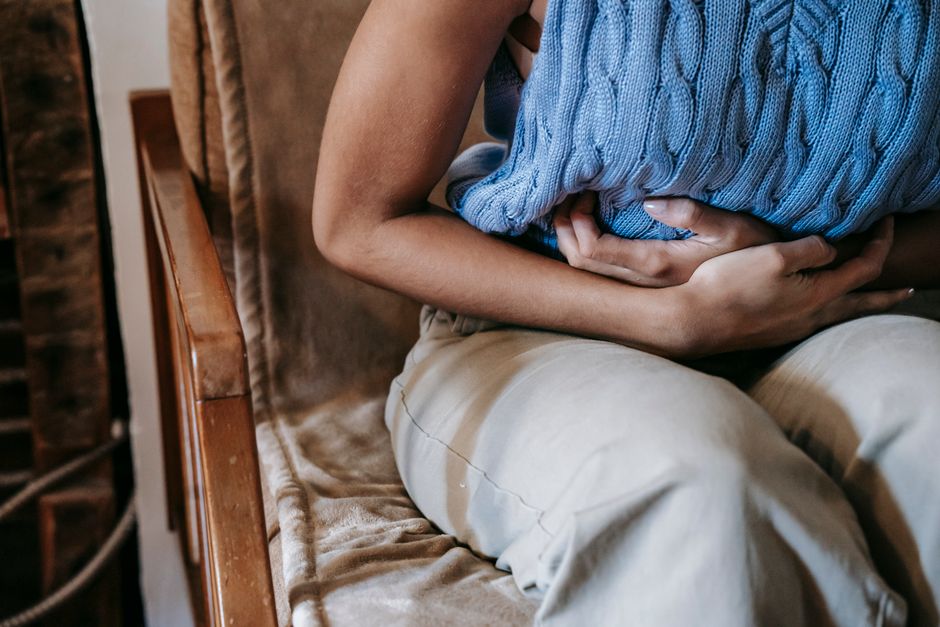
Bloating is that heavy, tight, full feeling in your belly that makes your pants feel like they shrank overnight. It is uncomfortable, often painful, and it can hit at the worst possible moments. For fast relief, you need to target the trapped gas and reduce fluid retention. The quickest fixes are gentle movement, heat on your abdomen, and drinking warm liquids. If you can, take a short walk and massage your belly in a clockwise direction. These actions help stimulate your digestive tract and move trapped gas out of your system. For most people, relief starts within 15 to 30 minutes of combining these simple steps.
Why Do I Get Bloated So Quickly?
Bloating happens when your gastrointestinal tract fills with gas or fluid. This is a normal part of digestion, but it becomes a problem when the gas gets trapped. The most common culprits are swallowing air while eating too fast, drinking carbonated beverages, or eating foods that produce gas during digestion.
Certain carbohydrates are famous for this. Beans, lentils, broccoli, cabbage, and onions contain complex sugars that your small intestine cannot fully break down. When these undigested carbs reach your large intestine, your gut bacteria ferment them. That fermentation process produces gas. Some research suggests that for people with sensitive digestive systems, even healthy high-fiber foods can trigger noticeable bloating.
Another cause is sodium. A salty meal pulls water into your digestive tract and tissues, which creates that puffy, swollen feeling. This type of bloating is more about water retention than gas. It usually peaks a few hours after eating and resolves as your kidneys process the excess salt.
What To Do For A Bloated Stomach Quick Relief Tips: Immediate Actions
When bloating hits, you want action, not a lecture on fiber. Start with movement. A 10 to 15 minute walk after a meal is one of the most effective ways to relieve trapped gas. The gentle motion of walking helps your intestines contract and push gas along. If you cannot walk, try standing up and doing a few gentle twists or side bends.
Heat is another fast tool. Place a heating pad or a warm water bottle on your abdomen for 15 minutes. The warmth relaxes the muscles in your intestinal wall, which can ease cramping and allow trapped gas to move. Just make sure the heat is warm, not hot, and never fall asleep with a heating pad on your skin.
Self-massage can also help. Lie on your back and press gently with your fingertips, starting at your right hip bone. Move up toward your ribs, across your belly, and down the left side. This traces the path of your colon. Use light pressure and slow circles. Some people find this moves gas quickly, especially when combined with deep breathing.
Which Drinks Actually Relieve Bloating?
Warm liquids are your friend. Hot water with lemon, ginger tea, or peppermint tea are the most commonly recommended options. Ginger contains compounds that may speed up gastric emptying, which means food and gas leave your stomach faster. Peppermint has antispasmodic properties, meaning it can relax the smooth muscles of your intestinal tract.
Water itself is essential. If your bloating comes from a salty meal, drinking more water helps your kidneys flush out the extra sodium. This sounds counterintuitive — you feel full of water, so why drink more? But dehydration makes your body hold onto sodium, which makes water retention worse. Sipping plain water steadily over a few hours is better than chugging a large glass all at once.
Avoid carbonated drinks completely. Seltzer, soda, and sparkling water add gas directly into your stomach. That is like pouring fuel on a fire. Also skip drinks with artificial sweeteners ending in “-ol” like sorbitol and xylitol. These sugar alcohols are poorly absorbed and ferment in the colon, producing gas and sometimes diarrhea.





Do Over-the-Counter Products Work?
Yes, for specific types of bloating. Simethicone is the active ingredient in products like Gas-X. It works by breaking up gas bubbles in your stomach so they are easier to pass. The evidence for simethicone is mixed, but many people find it helps with gas-related bloating, especially when taken right after a meal. It does not work for bloating caused by water retention.
Digestive enzymes are another option, but they only work for specific food intolerances. Products containing alpha-galactosidase, like Beano, break down the complex carbs in beans and vegetables before they reach your colon. If you take it right before eating those foods, you may produce less gas. Lactase supplements work similarly for people who are lactose intolerant. These are not general anti-bloat pills. They only help if your bloating comes from the specific food they target.
One important note: no over-the-counter product treats bloating from serious underlying conditions. If you rely on these products daily, that is a sign you should talk to a doctor about what is causing your symptoms.
When To See A Doctor About Bloating
Occasional bloating is normal and not a medical concern. But some patterns warrant attention. See a doctor if your bloating lasts more than two weeks despite diet changes, or if it comes with severe pain that does not go away after passing gas or having a bowel movement.
Seek immediate medical care if bloating comes with any of these warning signs: blood in your stool, unintentional weight loss, persistent vomiting, or a fever. Also pay attention if bloating is accompanied by shortness of breath or chest pain. These could indicate something more serious than trapped gas.
For women, persistent bloating that feels different from your normal cycle deserves evaluation. While most bloating is benign, persistent abdominal bloating that does not resolve can sometimes be a symptom of ovarian issues. This does not mean every bloated feeling is dangerous — it means persistent changes in your body deserve a medical opinion.
Can You Prevent Bloating Before It Starts?
Prevention is more effective than treatment. The most reliable strategy is eating slower. When you rush through a meal, you swallow air. That swallowed air has to come out somehow, and it often becomes trapped gas. Put your fork down between bites and chew thoroughly. A meal should take at least 20 minutes.
Pay attention to your trigger foods. Keep a simple diary for a week. Write down what you ate and whether you felt bloated within a few hours. Patterns become obvious quickly. For many people, the biggest triggers are beans, carbonated drinks, fried foods, and dairy. You do not have to eliminate these forever — just know your limits and adjust portions.
Regular exercise is one of the best long-term preventive measures. Physical activity keeps your bowels moving regularly. Constipation is a common hidden cause of bloating. When stool sits in your colon too long, bacteria ferment it and produce gas. Staying active, drinking enough water, and eating adequate fiber all help prevent constipation and the bloating that follows.
Does Diet Change Help Long Term?
For persistent bloating, some people benefit from a low-FODMAP diet. FODMAP stands for fermentable oligosaccharides, disaccharides, monosaccharides, and polyols. These are specific types of carbohydrates that are poorly absorbed and rapidly fermented by gut bacteria. The diet involves eliminating high-FODMAP foods for a few weeks, then slowly reintroducing them to identify your personal triggers.
This diet is not meant to be followed forever. It is a diagnostic tool. Research has shown it helps many people with irritable bowel syndrome, but it is restrictive and should be done with guidance from a dietitian. Doing it incorrectly can lead to nutrient deficiencies and an overly restricted diet that is hard to sustain.
Probiotics are often marketed as a bloating cure, but the evidence is mixed. Some strains may help certain people, while others see no benefit or even feel worse. If you want to try a probiotic, choose one with a specific strain studied for digestive symptoms and give it at least four weeks. If you feel no different, it is probably not the right product for you.
Frequently Asked Questions
What is the fastest way to relieve a bloated stomach?
A short walk combined with a warm compress on your abdomen is the fastest natural relief. These actions stimulate bowel movement and relax intestinal muscles within 15 to 30 minutes.
Does drinking water help with bloating?
Yes, sipping water steadily helps flush excess sodium from your system if your bloating is from a salty meal. It does not help if your bloating is caused by trapped gas from fermentation.
Can gas relief pills stop bloating immediately?
Simethicone products can break up gas bubbles in your stomach, but they work best when taken right after a meal. They do not help with bloating caused by water retention or constipation.
Is bloating ever a sign of something serious?
Rarely, persistent bloating can signal an underlying condition, especially if it comes with weight loss, blood in stool, or severe pain. See a doctor if your bloating lasts more than two weeks or feels different from your normal pattern.
