
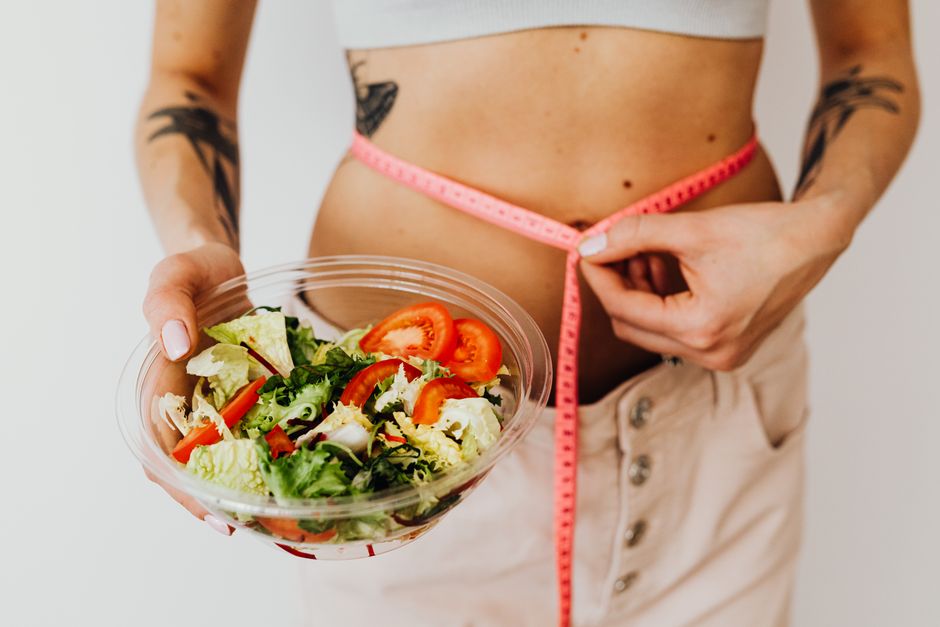
Poha is a good choice for weight loss when you eat it the right way. It is a flattened rice product that is naturally low in calories and fat, making it a solid breakfast or light meal option. To get the best results, you need to control portion size and add protein and fiber to keep you full.
What Makes Poha Different from White Rice?
Poha comes from rice, but it is processed differently. The rice is washed, soaked, flattened, and dried. This process changes how your body handles it.
One key difference is how it is cooked. Poha is typically soaked briefly in water and then steamed or sautéed. This method does not require boiling in excess water the way rice does. Because of this, poha has a lower glycemic load in some preparations compared to an equal amount of white rice.
The glycemic index of poha is still considered moderate. This means it can raise blood sugar, but not as fast as some other refined carbs. If you have diabetes or prediabetes, you still need to watch your portion size carefully.
Is Poha Good For Weight Loss How To Eat It Right
Poha works for weight loss because it is low in calories. One cup of dry poha has roughly 300 calories, but a typical serving is about half that amount once cooked. When you add vegetables and a protein source, you get a meal that is filling without being heavy.
The real issue is how most people prepare it. Traditional recipes often include generous amounts of oil, peanuts, and sugar. These additions can double the calorie count quickly.
For weight loss, the right way to eat poha is:
- Use less oil. One teaspoon is enough for a single serving.
- Add vegetables. Onions, peas, carrots, and bell peppers add volume and fiber.
- Include a protein. A boiled egg, a serving of yogurt, or a handful of roasted chickpeas on the side helps balance the meal.
- Skip the extra sugar. Many recipes add sugar for taste, but it is not necessary.
- Watch your portion. A reasonable serving is about 1 cup of prepared poha, not a heaping plateful.
Poha is naturally gluten-free. This makes it a good option for people with celiac disease or gluten sensitivity, provided it is processed in a facility that avoids cross-contamination.
How Poha Affects Your Blood Sugar and Fullness
Poha is a carbohydrate. Like all carbs, it breaks down into sugar in your body. The flattening process partially pre-cooks the rice, which can affect how quickly your body digests it.
Some research suggests that flattened rice has a slower digestion rate than regular white rice. This is because the physical structure of the starch changes during processing. However, the evidence is not strong enough to call poha a low-glycemic food.
What matters more is what you eat with poha. Adding fiber from vegetables slows down digestion. Adding protein slows stomach emptying. This combination keeps blood sugar steadier and delays the return of hunger.
Eating poha alone without protein or fiber will likely leave you hungry within a few hours. That hunger often leads to snacking later, which can undo any calorie savings from the meal itself.



Nutritional Profile of Poha
Poha provides some important nutrients, but it is not a nutritional powerhouse on its own.
A standard serving of dry poha (about 45 grams or half a cup) contains roughly:
- 170 calories
- 35 grams of carbohydrates
- 3 grams of protein
- 1 gram of fat
- 1 gram of fiber
Iron is a notable exception. Poha is often fortified with iron during processing. This makes it a useful food for people with low iron levels, though the amount varies by brand.
Poha is low in protein and fiber. These are the two nutrients most responsible for keeping you full. This is why eating poha alone is not ideal for weight loss. You need to add these components to make it a complete meal.
Most of the calories in poha come from carbohydrates. For people following a low-carb diet, poha is not a suitable choice. For people following a balanced diet with controlled portions, it fits well.
How to Make Poha More Filling
The key to making poha work for weight loss is building a balanced plate. Carbohydrates alone do not sustain fullness. You need protein, fiber, and some healthy fat.
Here is a practical approach:
Start with a base of about 1 cup of prepared poha. Add a generous handful of mixed vegetables. These add volume without many calories. The fiber in vegetables helps slow digestion.
Add a protein source. Options that work well include:
- One boiled egg sliced on top
- A side of plain Greek yogurt
- A small bowl of dal or lentil soup
- Paneer cubes sautéed with the poha
- Roasted chickpeas sprinkled over the top
Protein is the most important addition. Research consistently shows that higher protein meals increase fullness and reduce later snacking. This effect is well established in nutrition science.
Healthy fats also help. A small handful of peanuts or cashews adds crunch and slows digestion. But nuts are calorie-dense, so measure them. About 10 to 12 peanuts is a reasonable addition.
Common Mistakes That Make Poha Less Healthy
Most people do not fail at weight loss because of poha itself. They fail because of how it is prepared and served.
The biggest mistake is using too much oil. Many restaurant and street versions of poha are cooked with several tablespoons of oil. This can add 200 to 300 calories to what seems like a light dish.
The second mistake is portion distortion. Poha is light and airy. It is easy to eat a large volume without feeling like you ate much. A cup of prepared poha is a reasonable serving. Filling a large bowl with poha can easily reach 400 to 500 calories before additions.
The third mistake is skipping protein. If you eat poha alone, you will likely feel hungry soon after. This leads to grazing or a larger next meal.
The fourth mistake is adding sugar. Traditional recipes sometimes include sugar to balance flavors. Sugar adds empty calories and spikes blood sugar. If you need sweetness, a small amount of raisins or a sprinkle of grated coconut is a better choice, though these still add calories.
When to Eat Poha for Weight Loss
Breakfast is the most common time to eat poha, and it works well for this purpose. A savory breakfast with vegetables and protein can keep you satisfied through the morning.
Poha can also work as a light dinner, especially if you eat it early. The key is keeping the portion moderate and including protein so you do not wake up hungry.
Poha is not ideal as a late-night snack. Eating carbohydrates close to bedtime can disrupt sleep for some people, and the calories are not needed if you are not active.
If you exercise in the morning, eating poha about an hour before your workout can provide quick energy. Pair it with a small amount of protein, like a glass of milk, to sustain you through the session.
Who Should Be Careful with Poha
People with diabetes need to be cautious. Poha has a moderate glycemic index, meaning it can raise blood sugar noticeably. If you eat poha, keep the portion small and pair it with protein and vegetables to blunt the blood sugar response.
People with kidney disease should also be careful. Poha contains phosphorus, which can build up in the blood when kidney function is reduced. If you have chronic kidney disease, talk to your doctor or dietitian before adding poha to your regular diet.
People trying to follow a very low-carbohydrate or ketogenic diet should avoid poha. It is almost entirely carbohydrate. It does not fit the macronutrient targets of these diets.
Pregnant women can eat poha safely as long as it is cooked thoroughly. It is a common food in many parts of India during pregnancy. However, it is not a significant source of protein or iron unless fortified, so it should not replace other nutrient-dense foods.
Comparing Poha to Other Breakfast Options
Poha stacks up reasonably well against other common Indian breakfast foods.
| Breakfast Option | Approximate Calories per Serving | Protein Content | Fiber Content |
|---|---|---|---|
| Poha with vegetables (1 cup) | 200-250 | Low without additions | Low to moderate |
| Upma (1 cup) | 250-300 | Low | Low |
| Idli (2 pieces) with sambar | 200-250 | Moderate | Moderate |
| Paratha with butter | 350-500 | Low | Low |
| Oats with milk and fruit | 250-300 | Moderate | High |
Poha is lighter than paratha and similar to upma. Idli with sambar offers more protein and fiber because of the lentils in sambar. Oats generally provide more fiber and protein than poha when prepared with milk.
The best choice depends on your overall diet. If you enjoy poha and prepare it well, it can be part of a weight loss plan. If you need maximum fullness per calorie, oats or idli with sambar may serve you better.
Frequently Asked Questions
Can I eat poha every day for weight loss?
Yes, you can eat poha daily if you keep portions controlled and add protein and vegetables. Eating the same food daily can become monotonous, so variety helps with long-term adherence.
Is poha better than rice for weight loss?
Poha is generally lower in calories than an equal cooked volume of white rice because it is lighter and less dense. The preparation method matters more than the grain itself.
Does poha cause belly fat?
No single food causes belly fat on its own. Excess calories from any source, including poha, contribute to weight gain when eaten in large amounts.
Can diabetics eat poha?
Diabetics can eat poha in small portions with added protein and fiber to slow blood sugar absorption. Monitoring blood sugar after eating is the best way to know how your body responds.
