
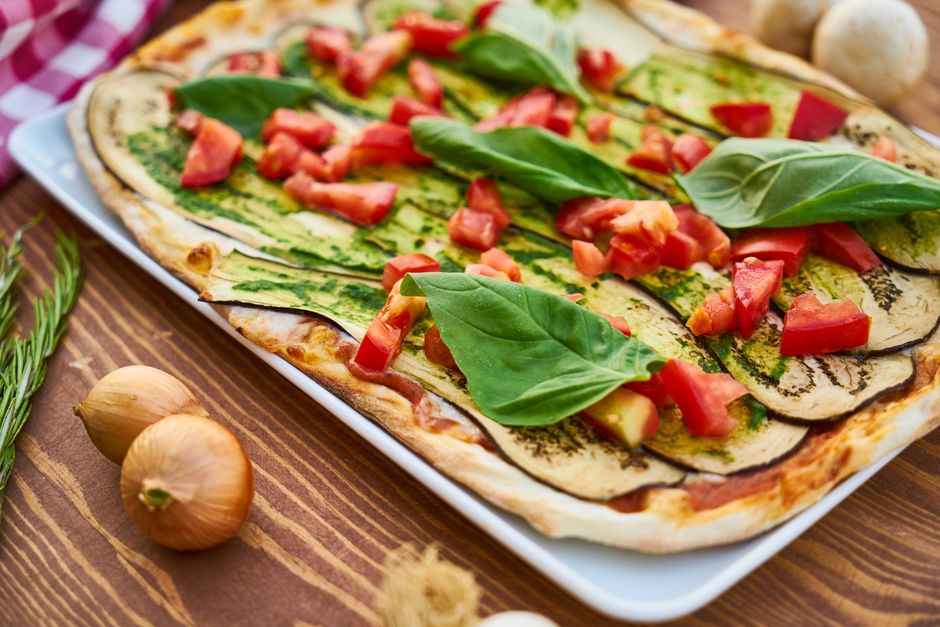
Pizza can fit into a weight loss plan, but it depends entirely on how it is made and how much you eat. A single slice of cheese pizza from a chain restaurant typically has 250-300 calories, while a homemade version with a thin crust and vegetable toppings can be under 200 calories. The short answer is that pizza is not inherently bad for weight loss — portion size, crust type, and toppings are what determine whether it helps or hurts your goals.
What Makes Pizza a Problem for Weight Loss?
The main issues with pizza are calories, refined carbs, and sodium. A standard 14-inch pepperoni pizza contains about 2,400 calories. Most people eat two to three slices without thinking, which is 600-900 calories in one sitting.
Refined flour crust spikes blood sugar quickly. The American Diabetes Association notes that high blood sugar spikes can lead to cravings and overeating later. Cheese adds saturated fat, and processed meats like pepperoni and sausage add sodium and preservatives.
But not all pizza is equal. A thin crust vegetable pizza from a pizzeria that uses whole wheat dough is a completely different food than a deep dish meat lovers pizza. The first can be part of a weight loss diet. The second probably should not be.
Is Pizza Healthy for Weight Loss When You Control the Ingredients?
Yes, when you control what goes on it. Research published in the journal Nutrients found that meals with higher vegetable content and lower refined carbohydrate content lead to better satiety and lower total calorie intake at the next meal.
If you make pizza at home with a whole wheat or cauliflower crust, part-skim mozzarella, and plenty of vegetables, you get fiber, protein, and micronutrients without the calorie bomb. A 12-inch homemade vegetable pizza on thin whole wheat crust can have around 180 calories per slice. That is a reasonable serving.
Even ordering from a restaurant can work if you choose wisely. Thin crust, light cheese, extra vegetables, and no processed meats. Ask for half the cheese. Get a side salad instead of breadsticks. These small changes cut 200-400 calories from a typical pizza meal.
What Does Research Say About Pizza and Weight Management?
Studies on pizza and weight are limited, but the evidence on meal composition is clear. A 2018 study in the British Journal of Nutrition found that people who ate higher protein, higher fiber meals felt fuller and ate less at their next meal. Pizza can be modified to fit that pattern.
The National Institutes of Health has published data showing that the average American gets about 20% of their daily calories from snacks and fast food. Pizza is a major contributor. But the issue is not the pizza itself — it is the frequency and portion size.
One slice of cheese pizza has about 12 grams of protein, which is decent for a single food. If you pair it with a side of vegetables or a salad, the protein and fiber together can help you feel satisfied on fewer slices. Some people report that allowing themselves one planned pizza meal per week helps them stick to their diet the other six days. This is not proven by large studies, but it makes logical sense.





How Many Calories Are in Different Types of Pizza?
The calorie range is wide. Here is a comparison based on data from the USDA FoodData Central and major chain nutrition information:
| Pizza Type | Calories per slice | Protein (g) | Fiber (g) |
|---|---|---|---|
| Cheese, thin crust (12-inch) | 200 | 10 | 2 |
| Pepperoni, regular crust (14-inch) | 300 | 12 | 1.5 |
| Deep dish cheese (10-inch) | 380 | 14 | 1 |
| Cauliflower crust veggie (12-inch) | 170 | 9 | 4 |
| Whole wheat thin crust veggie (12-inch) | 185 | 11 | 5 |
The difference between a thin crust veggie slice and a deep dish slice is over 200 calories. If you eat three slices, that is a 600-calorie difference. Over a month, that adds up to roughly 5,000 calories — enough to affect weight loss by about 1.5 pounds.
Practical Tips for Eating Pizza Without Sabotaging Weight Loss
Here are strategies that research and common sense support:
- Eat one or two slices, not three or four. Pair with a large side salad dressed with vinegar and oil.
- Order thin crust. Every inch of thickness adds about 50 calories per slice.
- Skip stuffed crust. That ring of cheese and dough adds 150-200 calories per slice.
- Choose vegetable toppings over meat. Vegetables add fiber and volume with few calories.
- Ask for light cheese. Most pizzerias use more cheese than necessary. Cutting it in half saves about 100 calories per slice.
- Drink water. Soda or beer with pizza can double the calorie count of the meal.
Some people report that eating pizza earlier in the day, rather than late at night, helps them manage their overall calorie intake. This is widely claimed though strong evidence is limited. What is clear is that eating a high calorie meal close to bedtime may disrupt sleep, which can affect hunger hormones the next day.
What About Frozen Pizza and Delivery Pizza?
Frozen pizza varies wildly. Some brands sell personal sized thin crust pizzas with around 350 calories for the whole pizza. Others are 800 calories per serving. The USDA reports that the average frozen pizza has about 300 calories per serving, but a serving is often half the pizza. Read the label carefully.
Delivery pizza from national chains is the most calorie dense option. A large hand-tossed pepperoni pizza from a major chain has about 330 calories per slice. Most people eat three slices. That is 990 calories from one meal, which is half the daily calorie needs for many people trying to lose weight.
If you order delivery, ask for the pizza to be cut into smaller slices. Some pizzerias will cut a large pizza into 10 or 12 slices instead of 8. This tricks your brain into thinking you are eating more pieces while actually eating less total food. This is widely claimed though strong evidence is limited, but it is a harmless strategy to try.
Common Misconceptions About Pizza and Weight Loss
One common belief is that pizza is always unhealthy. This is not true. A slice of thin crust vegetable pizza has fewer calories and more nutrients than many sandwiches or wraps sold at fast food restaurants.
Another misconception is that you must completely eliminate pizza to lose weight. Research on dietary adherence shows that people who allow themselves occasional treats are more likely to stick with their diet long term. The National Weight Control Registry, which tracks people who have lost significant weight and kept it off, reports that many of its members eat pizza regularly but in controlled portions.
Some people think that cauliflower crust is automatically healthy. While cauliflower crust is lower in carbs and calories than regular dough, it is often higher in fat because of added cheese and eggs used to bind it. Check the nutrition label. A cauliflower crust slice can have more fat than a thin whole wheat slice.
A third misconception is that removing cheese makes pizza healthy. Cheese provides protein and calcium. Removing it can leave you hungry sooner. A better approach is to use less cheese rather than none.
Frequently Asked Questions
Can I eat pizza every day and still lose weight?
It is possible if you keep portions small and choose low calorie toppings. Most people find it easier to lose weight if they limit pizza to once or twice per week.
Is frozen pizza healthier than delivery pizza?
Not necessarily. Some frozen pizzas are lower in calories, but many are highly processed and high in sodium. Read the label and choose brands with whole ingredients.
Does the time of day I eat pizza matter for weight loss?
Calories matter more than timing. Eating a large pizza late at night may disrupt sleep, which can affect hunger hormones, but total daily calories are the main factor.
What is the healthiest pizza topping for weight loss?
Vegetables like mushrooms, bell peppers, onions, and spinach add fiber and volume with very few calories. Avoid processed meats like pepperoni and sausage.
