
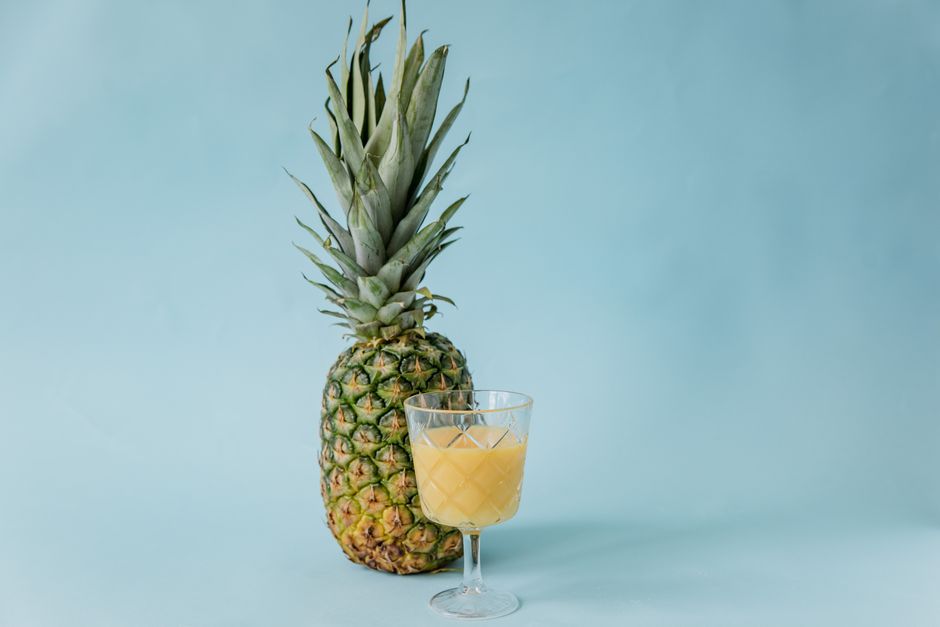
Pineapple juice contains bromelain, an enzyme that has been studied for its anti-inflammatory effects. However, the evidence that drinking pineapple juice can meaningfully reduce inflammation in the body is limited and mixed. It is not a proven treatment for any inflammatory condition, but it may offer modest support as part of an overall anti-inflammatory diet.
What Makes Pineapple Juice Potentially Anti-Inflammatory?
Pineapple is the only known food source of bromelain, a group of enzymes that break down protein. Bromelain is found in both the fruit and the stem, but the highest concentrations are in the stem. Commercially, bromelain is extracted and sold as a dietary supplement.
Laboratory studies show that bromelain can reduce certain inflammatory chemicals in the body, such as prostaglandins and cytokines. This is why it has been studied for conditions like sinusitis, arthritis, and sports injuries. But these effects have mostly been seen with concentrated bromelain supplements, not with pineapple juice alone. The amount of bromelain in a glass of pineapple juice is far lower than what is used in most clinical studies.
Does Pineapple Juice Actually Reduce Inflammation in the Body?
Clinical evidence is weak. Most human studies have used bromelain supplements, not pineapple juice. A few small trials have looked at pineapple juice or fresh pineapple for inflammation, but results vary widely. Some studies suggest a small reduction in swelling after surgery or in people with osteoarthritis, but others show no significant difference compared to placebo.
No large, well-designed trials have confirmed that drinking pineapple juice consistently lowers markers of inflammation in the blood, such as C-reactive protein. The evidence is not strong enough to recommend pineapple juice as a treatment for any specific inflammatory condition.
Can Pineapple Juice Help With Arthritis or Joint Pain?
Some research on bromelain supplements for osteoarthritis has shown modest pain relief, similar to nonsteroidal anti-inflammatory drugs (NSAIDs) in some cases. But again, these studies used high-dose bromelain, not juice. The few studies on pineapple consumption for arthritis have had mixed results, with some people reporting less pain and others not.
It is possible that the anti-inflammatory compounds in pineapple, including vitamin C and antioxidants, contribute to overall joint health. But relying on pineapple juice alone to manage arthritis pain is not supported by current evidence. Standard treatments and lifestyle changes remain more reliable.





How Does Pineapple Juice Compare to Other Anti-Inflammatory Foods?
Other foods with anti-inflammatory properties include turmeric, ginger, fatty fish (omega-3s), berries, and green leafy vegetables. The evidence for each of these is also modest, with no single food proven to cure or reverse inflammation. A diet rich in a variety of whole, unprocessed foods is more likely to help reduce chronic inflammation than any one superfood.
Pineapple juice does offer some unique compounds, notably bromelain, which other fruits lack. But it also contains high amounts of natural sugar, which can promote inflammation if consumed in excess. For overall health, eating fresh pineapple is a better choice than juice because it provides fiber and lower sugar per serving.
Are There Risks to Drinking Pineapple Juice for Inflammation?
There are several important risks. Pineapple juice is high in sugar. A typical 8-ounce glass contains about 25 grams of sugar, roughly the same as a sugary soda. High sugar intake is linked to increased inflammation, especially in people with insulin resistance or metabolic syndrome. Drinking large amounts could actually worsen the problem.
Unripe pineapple can cause severe throat irritation and diarrhea due to a compound called bromelain that becomes active only in unripe fruit. Ripe pineapple is safe for most people, but those with bromelain allergies may experience reactions like swelling or hives. Bromelain supplements can interact with blood thinners like warfarin, so anyone taking these medications should speak with a doctor before consuming large amounts of pineapple or its juice.
Should You Drink Pineapple Juice for Inflammation?
If you enjoy pineapple juice, drinking a moderate amount—such as one small glass a day—can be part of a healthy diet. It provides vitamin C, manganese, and other nutrients. But you should not rely on it to treat or prevent inflammatory conditions. The evidence is simply not strong enough.
For meaningful anti-inflammatory benefits, concentrate on overall diet quality: plenty of vegetables, fruits, whole grains, lean protein, and healthy fats. Manage stress, sleep well, and stay active. If you are considering bromelain supplements, talk to your doctor first. They are not proven to work for everyone, and they carry their own risks, including gastrointestinal side effects and drug interactions.
Frequently Asked Questions
Is pineapple juice better than bromelain supplements for inflammation?
No. Supplements contain a much higher concentration of bromelain and are more likely to have an effect if any exists. Juice provides other nutrients but far less bromelain.
How much pineapple juice should I drink to reduce inflammation?
There is no established dose. Drinking more than one small glass per day is not recommended due to high sugar content, and any anti-inflammatory effect would be modest at best.
Can pineapple juice replace my anti-inflammatory medication?
No. Do not replace prescribed medications with pineapple juice. There is no evidence it can treat conditions like arthritis, gout, or autoimmune diseases effectively.
Does cooking destroy the bromelain in pineapple?
Yes. Heat breaks down the enzyme. Canned pineapple juice is usually pasteurized, which destroys most bromelain. Fresh or minimally processed juice may retain some activity.
