
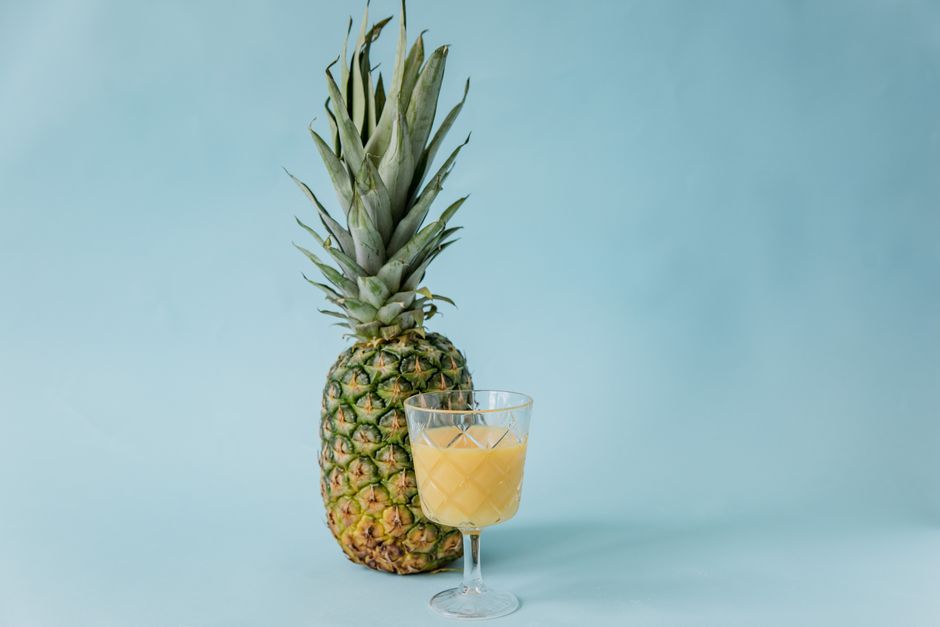
Pineapple juice contains bromelain, an enzyme mixture that has real anti-inflammatory activity in laboratory studies and in some human research. But drinking a glass of juice is not the same as taking a concentrated bromelain supplement. The honest short answer: pineapple juice is not a proven treatment for inflammation, and the amount of bromelain you absorb from juice is probably too small to matter much for a health condition. It can be part of a healthy diet. It is not a medicine.
That gap between “this compound does something in a lab” and “this drink helps your body” is where most juice claims fall apart. Understanding why helps you decide what to actually do.
What Is Bromelain and How Does It Work?
Bromelain is a group of protein-digesting enzymes found in the stem and fruit of the pineapple plant. The stem is where most commercial bromelain comes from, because it is far more concentrated than the fruit itself.
In laboratory studies, bromelain shows several effects that sound promising. It can break down proteins, influence certain immune signaling molecules, and reduce markers of inflammation in cells grown in a dish. These are real findings. They are also a long way from proving benefit in a living human body.
The core problem is the digestive tract. Bromelain is a protein. When you swallow it, your stomach acid and digestive enzymes start breaking it down, just like any other protein in food. Some bromelain does get absorbed intact, and researchers have detected it in blood after people take it. But how much survives, and whether enough reaches inflamed tissue to do anything useful, is not well established.
There is also a difference between the enzyme and the juice. A bromelain supplement is a concentrated, standardized product. Pineapple juice is mostly water and sugar with a modest amount of enzyme. Those are not interchangeable.
Does Pineapple Juice Reduce Inflammation in the Body?
No good evidence shows that drinking pineapple juice reduces inflammation in people. The studies that suggest bromelain might help with inflammation mostly use concentrated supplements, often at doses far higher than what you would get from juice.
Some small human trials have looked at bromelain for swelling after surgery or dental procedures, and some have reported reduced swelling and pain. Many of these studies were small, and results have not been consistent across all of them. Even where a signal appears, it comes from supplement doses, not from a beverage.
There is one more wrinkle worth knowing. Pineapple is a source of vitamin C, and vitamin C is a genuine antioxidant nutrient your body needs. But getting vitamin C from juice is not the same as reducing inflammation. A single nutrient in a food rarely drives a measurable anti-inflammatory effect on its own.
So the practical picture is this: pineapple juice may contribute mildly to a diet rich in fruits and vegetables, but it is not a meaningful anti-inflammatory intervention on its own.
How Much Bromelain Is Actually in Pineapple Juice?
The amount varies widely and is not something you can reliably count on. It depends on the pineapple, how ripe it is, how the juice was made, and whether it was heated during processing.
Heat is a major factor. Bromelain is a protein enzyme, and heat damages it. Pasteurized, canned, or shelf-stable pineapple juice has likely lost much of its enzyme activity. Fresh juice from a ripe pineapple retains more. This is one reason fresh pineapple can make your mouth or tongue tingle or feel sore — the enzyme is actively breaking down proteins on the surface of your mouth. That tingling is a sign the enzyme is present and working, not a sign it will reduce inflammation in your joints or gut.
Because the enzyme content is so variable, no reliable dose of bromelain can be assigned to a glass of juice. There is no clinical guideline that says “drink this much pineapple juice for this effect,” because the evidence does not support such a guideline.




What Does the Evidence Actually Show for Bromelain?
The strongest evidence for bromelain involves concentrated supplements, and even there the picture is mixed. Some research has examined it for swelling and pain after surgery, for sinus inflammation, and for joint pain. Results have been inconsistent, and study quality varies.
Here is a comparison of how the forms differ, which matters more than most people realize:
| Form | Bromelain Content | Evidence for Inflammation |
|---|---|---|
| Fresh pineapple juice | Variable, often low | Limited; not studied directly for this |
| Pasteurized or canned juice | Likely reduced by heat | Little to none |
| Bromelain supplement | Concentrated and standardized | Mixed; some small trials show possible benefit |
Even the supplement evidence should not be oversold. Many trials were small, and a few positive results do not establish a reliable treatment. Bromelain is not a first-line therapy for any inflammatory condition, and it does not replace medical treatment for diseases like arthritis, inflammatory bowel disease, or infections.
What Actually Reduces Inflammation?
If your goal is to lower inflammation, the approaches with the strongest evidence are not exotic. They are also not always easy, which is why juice claims are tempting.
- A diet built around vegetables, fruits, whole grains, legumes, nuts, and fish is linked to lower markers of inflammation in large population studies.
- Regular physical activity is associated with reduced chronic inflammation.
- Getting enough sleep and managing chronic stress support normal immune function.
- Not smoking and limiting excess alcohol reduce inflammatory burden.
- Treating underlying conditions — like infections, autoimmune disease, or poorly controlled blood sugar — addresses the actual cause.
Notice that none of these is a single food or drink. Chronic inflammation is usually driven by ongoing factors, and no beverage reverses that on its own. This is also why “anti-inflammatory” labels on juice bottles deserve skepticism. No large human trial has confirmed that drinking pineapple juice lowers inflammation in a way that improves health outcomes.
Is Drinking Pineapple Juice Safe?
For most people, pineapple juice is safe in normal food amounts. The main concerns are sugar and interactions, not the juice itself.
Pineapple juice is high in natural sugar and low in fiber compared with the whole fruit. If you have diabetes or prediabetes, drinking juice can raise blood sugar faster than eating a whole pineapple, because the fiber that slows absorption has been removed. Whole fruit is generally the better choice.
Bromelain can increase the absorption of some medications, including certain antibiotics, and it may add to the effect of blood-thinning drugs. If you take a blood thinner or any prescription medication, talk to your doctor or pharmacist before using bromelain supplements. This concern applies mainly to concentrated supplements, not to a glass of juice, but it is worth knowing.
Some people are allergic to pineapple and may react to bromelain. If you have a known pineapple allergy, avoid it.
The Bottom Line on Pineapple Juice and Inflammation
Pineapple juice is a pleasant, vitamin C–containing drink. It is not a proven anti-inflammatory remedy, and the bromelain it contains is unlikely to reach your body in amounts that make a real difference. The research worth paying attention to uses concentrated supplements, and even that evidence is mixed and not strong enough to call bromelain a reliable treatment.
If you enjoy pineapple juice, there is no strong reason to avoid it in moderation. Just do not count on it to fix inflammation. For most people dealing with chronic inflammation, the realistic goal is management through diet, movement, sleep, and treating any underlying condition — not a cure from a single drink.
Frequently Asked Questions
Does pineapple juice reduce inflammation?
No good evidence shows that drinking pineapple juice reduces inflammation in people. The bromelain studies that suggest possible benefit use concentrated supplements, not juice.
How much bromelain is in a glass of pineapple juice?
The amount varies widely and cannot be reliably counted on, and pasteurization likely reduces it further. No clinical guideline assigns a bromelain dose to pineapple juice because the evidence does not support one.
Is fresh pineapple juice better than canned for inflammation?
Fresh juice retains more enzyme activity because heat damages bromelain, so canned or pasteurized juice likely has less. That said, neither form has been shown to reduce inflammation in the body.
Can bromelain supplements reduce inflammation?
Some small trials suggest bromelain supplements may help with swelling and pain, but results are inconsistent and study quality varies. Bromelain is not a proven treatment and does not replace medical care.
