
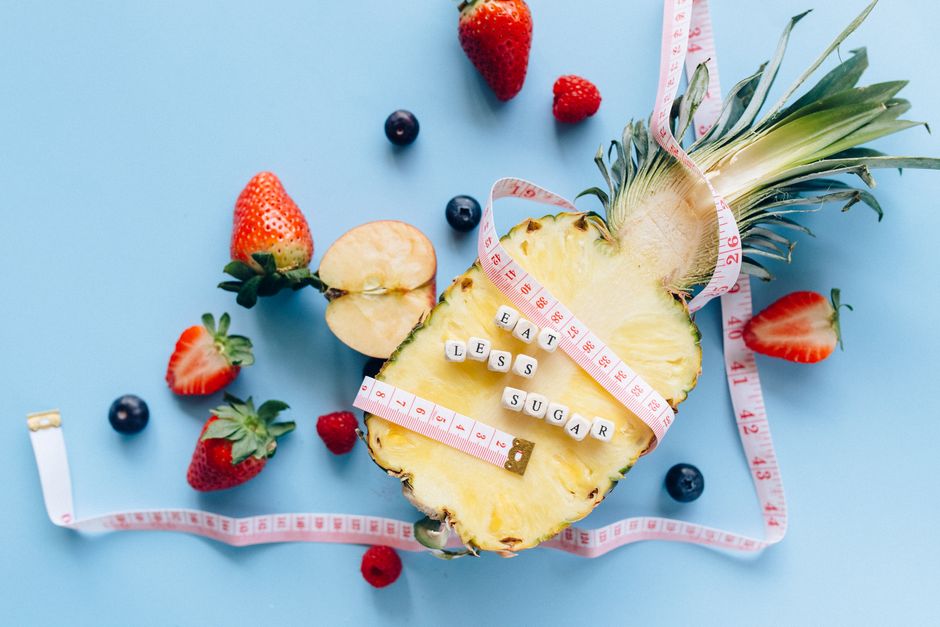
Pineapple is a sweet, tropical fruit that many people enjoy. But when it comes to weight loss, the answer is not a simple yes or no. Pineapple can be part of a healthy weight loss plan, but it is not a magic food that burns fat on its own. It offers real benefits like fiber and water content, which can help you feel full, but it also has natural sugars that matter if you are watching your calories. The key is understanding how it fits into your overall diet, not relying on it as a quick fix.
Does Pineapple Have Specific Properties That Aid Weight Loss?
Pineapple contains a group of enzymes called bromelain. Some people claim bromelain can burn fat or boost metabolism. The truth is more modest. Research shows that bromelain is an anti-inflammatory enzyme. It helps with digestion by breaking down protein. Some studies suggest it may reduce bloating after a heavy meal. But there is no strong evidence that bromelain directly causes weight loss. The anti-inflammatory effect might help with general health, which can support weight loss indirectly. If your body is inflamed, it may hold onto water and feel sluggish. Reducing that inflammation can make you feel better and more active. But that is not the same as pineapple melting away fat. The enzyme itself is mostly in the core of the fruit, which people often do not eat. Even if you eat the core, your stomach acid breaks down most of the bromelain before it can do much. So the enzyme theory is interesting but overhyped for weight loss purposes.
What Does Research on Pineapple Helpful for Weight Loss Show?
The direct research on pineapple and weight loss is limited. Most studies look at the fruit’s nutrition profile, not its fat-burning ability. A 2014 study published in the journal Food & Function found that pineapple consumption helped reduce inflammation in obese mice. But mice are not humans. A small 2018 study in humans looked at pineapple fiber and appetite. It found that people who ate pineapple felt fuller for longer compared to those who ate an equal number of calories from a sugary snack. That is a real finding. Feeling full helps you eat less overall. The fiber in pineapple is mostly insoluble fiber. It adds bulk to your stool and helps with regularity. That can make your stomach feel less empty. But the fiber content of pineapple is not extremely high. One cup of pineapple chunks has about 2.3 grams of fiber. For comparison, an apple has about 4.4 grams. So pineapple is decent for fiber but not a standout. The water content is high, about 86%. That water fills your stomach without adding many calories. This is a genuine mechanism for weight control. Eating water-rich foods like pineapple, melon, and cucumbers can help you consume fewer calories without feeling deprived. The CDC and other health organizations recommend water-rich foods as part of a weight management diet. So the research supports pineapple as a smart snack choice, not as a special fat burner.
How Many Calories and Sugars Are in Pineapple?
Knowing the numbers helps you make an informed choice. One cup of fresh pineapple chunks (about 165 grams) contains roughly 82 calories. It has about 21 grams of carbohydrates, of which 16 grams are sugar. That is more sugar than a cup of strawberries, which has about 7 grams of sugar. But it is less sugar than a cup of grapes, which has about 23 grams. The sugar in pineapple is natural fructose and glucose. Your body processes it similarly to sugar in other fruits. For a person on a 2,000 calorie diet, 82 calories is not a lot. The problem comes when you eat large amounts. A whole pineapple can have over 400 calories and 80 grams of sugar. That is like drinking a soda. The portion size matters a lot. If you eat pineapple in small amounts, it fits easily into a weight loss plan. If you eat it freely without measuring, the calories add up. The glycemic index of pineapple is medium, around 59. That means it raises blood sugar moderately, not as fast as white bread but faster than berries. For most people, this is not a concern. But for those with diabetes or insulin resistance, it is worth watching how much you eat at once. The fiber and water help slow down sugar absorption, but the effect is modest.
| Fruit (1 cup raw) | Calories | Sugar (grams) | Fiber (grams) |
|---|---|---|---|
| Pineapple | 82 | 16 | 2.3 |
| Apple | 65 | 13 | 4.4 |
| Strawberries | 53 | 7 | 3.3 |
| Grapes | 104 | 23 | 1.4 |




What Is the Best Way to Eat Pineapple for Weight Loss?
How you eat pineapple changes how it affects your weight. Fresh pineapple is the best choice. Canned pineapple often comes in heavy syrup, which adds significant sugar and calories. One cup of canned pineapple in syrup can have over 150 calories and 35 grams of sugar. That is almost double the sugar of fresh. If you buy canned, look for “packed in its own juice” or “no added sugar.” Dried pineapple is even more concentrated. A small handful can have 100 calories and 20 grams of sugar. The water is removed, so you get all the sugar in a smaller package. It is easy to eat too much. The same goes for pineapple juice. One cup of unsweetened pineapple juice has about 130 calories and 30 grams of sugar. It lacks the fiber of the whole fruit, so it does not fill you up. Drinking juice is not a good weight loss strategy. Stick to the whole fruit. Eat it as a snack between meals. The water and fiber will help you feel full. Add it to a salad with greens and lean protein. The sweetness can replace a sugary dressing. You can also freeze pineapple chunks for a cold treat. That replaces ice cream or other high-calorie desserts. The key is to use pineapple as a substitute for less healthy options, not as an addition to an already high-calorie diet.
What Are the Common Misconceptions About Pineapple and Weight Loss?
Several myths circulate online. One is that pineapple burns belly fat specifically. No food can target fat loss in one area. Spot reduction is not real. Your body decides where it loses fat based on genetics and hormones. Eating pineapple will not make your belly shrink faster than any other part of your body. Another myth is that pineapple detoxes your body. Your liver and kidneys already do that work. No food can “cleanse” your system in a meaningful way. The idea that pineapple flushes out toxins is not supported by science. A third myth is that eating pineapple before bed burns calories while you sleep. There is no evidence for this. Your metabolism does not change much based on one fruit eaten at night. Some people also believe that bromelain in pineapple speeds up metabolism enough to cause weight loss. As discussed earlier, the evidence does not support this. The enzyme is mostly destroyed in digestion. Even if some survived, the effect on metabolism would be tiny. The only real way pineapple helps weight loss is by being a low-calorie, high-water, high-fiber food that replaces higher-calorie options. That is a good thing. But it is not a miracle.
What Should You Avoid When Adding Pineapple to a Weight Loss Diet?
Avoid relying on pineapple alone. A weight loss plan needs variety. Eating only pineapple or large amounts of it can lead to nutritional gaps. It also causes digestive issues for some people. The bromelain and acid in pineapple can irritate the mouth and stomach if eaten in excess. Some people get a sore mouth or stomach upset. Avoid pineapple if you are allergic to latex. People with latex allergy can have cross-reactivity to pineapple. Avoid eating pineapple right before a high-protein meal if you have a sensitive stomach. The bromelain can make protein digest faster, which sounds good, but for some people it causes gas or bloating. Avoid pairing pineapple with high-fat foods if you are trying to cut calories. Pineapple with ice cream or whipped cream turns a healthy snack into a high-calorie dessert. That defeats the purpose. Avoid thinking of pineapple as a free food. It has calories and sugar. Track your portions just like you would with any other food. A reasonable serving is one cup or about 165 grams. That is roughly a handful of chunks. Stick to that and you will get the benefits without overdoing it.
Frequently Asked Questions
Can pineapple burn belly fat?
No. No food can target fat loss in a specific area. Pineapple is a healthy fruit but it does not burn belly fat on its own.
Is pineapple high in sugar for weight loss?
Pineapple has natural sugar, about 16 grams per cup. It is higher than berries but lower than grapes or mango. Portion control matters.
Is it better to eat pineapple fresh or canned?
Fresh pineapple is better because it has no added sugar. Canned pineapple in heavy syrup adds extra calories and sugar.
How much pineapple can I eat a day for weight loss?
One cup of fresh pineapple chunks is a reasonable serving. That provides fiber and water without too many calories or sugar.
