
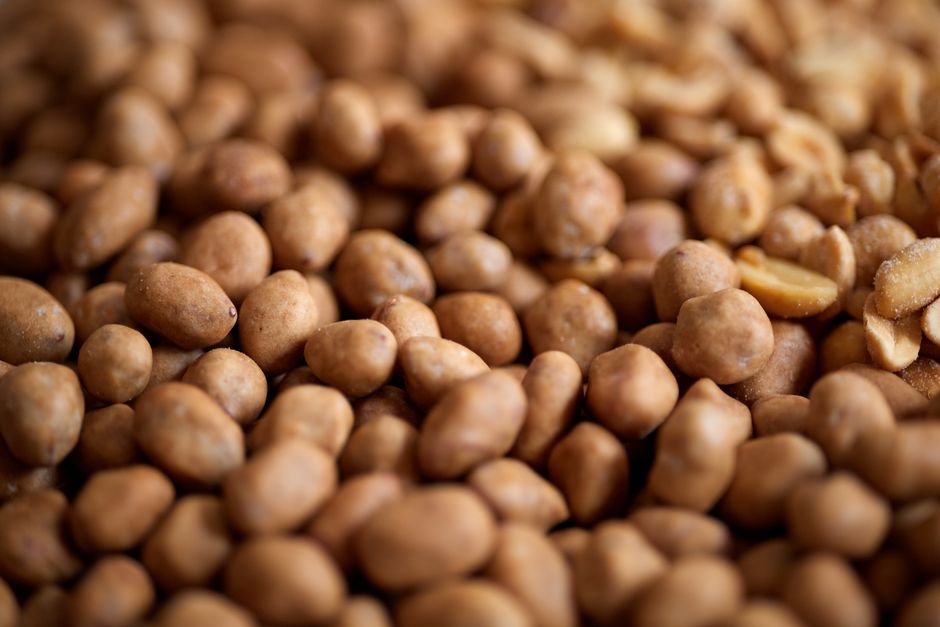
Peanut oil is not a seed oil. It is a legume oil, pressed from peanuts, which grow underground as legumes, not from the seeds of above-ground plants. This distinction matters because the term “seed oil” usually refers to oils from plants like soy, canola, sunflower, and cottonseed, which are often highly processed and linked to inflammation. Peanut oil has a different nutritional profile and is worth understanding on its own terms.
What Is a Seed Oil Exactly?
Seed oils come from the seeds of plants. Think of sunflower seeds, sesame seeds, flaxseeds, and rapeseed (which becomes canola oil). These seeds are small, often high in polyunsaturated fats, and require significant processing to extract the oil.
Peanuts are not seeds. They are legumes, like beans and lentils. A peanut is the entire seed pod that grows underground, technically a fruit of the legume plant. When you press peanuts for oil, you are pressing the whole legume, not just the seed inside it.
This is not a minor technicality. The way the body processes oils from legumes versus seeds can differ. The fatty acid profiles are not the same. Peanut oil is higher in monounsaturated fats, similar to olive oil, while most seed oils are loaded with omega-6 polyunsaturated fats.
Is Peanut Oil A Seed Oil in the Way That Matters for Health?
No. The health concerns around seed oils center on their high omega-6 content and the industrial processing they go through. Peanut oil has a different fat profile and is processed differently.
Research published in the Journal of the American College of Nutrition found that peanut oil is about 46 percent monounsaturated fat, 32 percent polyunsaturated fat, and 17 percent saturated fat. Compare that to soybean oil, which is about 60 percent polyunsaturated fat. That is a major difference.
Monounsaturated fats are the same type found in olive oil and avocados. They are linked to better heart health and lower inflammation. Polyunsaturated fats, especially omega-6s, are not bad on their own, but the typical American diet has way too many of them and not enough omega-3s. Peanut oil is a more balanced option than most seed oils.
How Is Peanut Oil Processed Compared to Seed Oils?
This is where the real difference shows up. Most seed oils go through heavy industrial processing. They are extracted using chemical solvents like hexane, then bleached, deodorized, and refined at high heat. This process creates trans fats and other compounds that can be harmful.
Peanut oil comes in several forms. Cold-pressed peanut oil is extracted without heat or chemicals. It retains more of its natural nutrients and flavor. Refined peanut oil is more processed, but even then, it does not go through the same harsh chemical extraction that seed oils require.
Many peanut oils are simply pressed and filtered. The high smoke point of peanut oil (around 450°F for refined) means it is stable at cooking temperatures and less likely to form harmful compounds than oils like flax or walnut oil.





What Does Research Show About Peanut Oil and Inflammation?
Some studies suggest peanut oil may actually reduce inflammation rather than cause it. A study in the journal Lipids found that diets including peanut oil lowered levels of C-reactive protein, a marker of inflammation, in people with high cholesterol.
Contrast this with seed oils like soybean or corn oil. High intake of these oils has been linked to increased inflammatory markers in several studies. The difference comes down to the fatty acid ratios.
Peanut oil also contains resveratrol, the same antioxidant found in red wine. It has a small amount of vitamin E as well. These compounds may offer some protection against oxidative stress, though the amounts are not high enough to make peanut oil a primary source of these nutrients.
Peanut Oil vs. Common Seed Oils: A Quick Comparison
| Oil Type | Source | Main Fat Type | Omega-6 Content |
|---|---|---|---|
| Peanut Oil | Legume | Monounsaturated | Moderate |
| Canola Oil | Seed (rapeseed) | Monounsaturated | Moderate |
| Soybean Oil | Seed | Polyunsaturated | High |
| Sunflower Oil | Seed | Polyunsaturated | Very High |
| Cottonseed Oil | Seed | Polyunsaturated | High |
This table shows why peanut oil does not fit neatly into the seed oil category. Its fat profile is closer to olive oil than to soybean or sunflower oil.
What Are the Downsides of Peanut Oil?
No oil is perfect. Peanut oil has some real drawbacks worth knowing.
First, peanut allergies are serious and common. About 1-2 percent of the US population has a peanut allergy. For them, peanut oil is dangerous. Highly refined peanut oil may be safe for some allergic individuals because the protein is removed, but cold-pressed peanut oil still contains allergenic proteins. The American Academy of Allergy, Asthma, and Immunology advises caution.
Second, peanut oil is high in calories like all oils. One tablespoon has about 119 calories and 14 grams of fat. It is not a health food. It is a cooking fat.
Third, some peanut oils are made from peanuts grown with pesticides. Conventionally grown peanuts are often treated with fungicides and herbicides. Choosing organic peanut oil can reduce exposure to these chemicals.
Fourth, peanut oil has a distinct flavor. Some people love it for frying. Others find it overpowers more delicate dishes. It is not a neutral oil like canola or grapeseed.
Common Misconceptions About Peanut Oil
There is a lot of confusion online about peanut oil. Here are some myths that do not hold up to evidence.
- Myth: Peanut oil is the same as vegetable oil. Vegetable oil is usually a blend of seed oils like soybean, canola, and palm. Peanut oil is a single-source oil from a legume.
- Myth: Peanut oil causes inflammation. The evidence does not support this. Some studies actually show anti-inflammatory effects. The real problem is excessive omega-6 intake from multiple sources, not peanut oil alone.
- Myth: All peanut oil is highly processed. Cold-pressed and expeller-pressed peanut oils exist. They are minimally processed and retain more nutrients.
- Myth: Peanut oil is bad for heart health. The American Heart Association includes peanut oil in its list of heart-healthy oils when used in moderation. Its high monounsaturated fat content supports this.
How to Choose and Use Peanut Oil
If you decide to use peanut oil, here is what matters most.
Look for cold-pressed or expeller-pressed peanut oil. These methods use mechanical pressing without chemical solvents. The oil retains more flavor and natural compounds.
Organic peanut oil is worth the extra cost if you can find it. Peanuts grown conventionally are often sprayed heavily. Organic certification reduces pesticide residue.
Use peanut oil for high-heat cooking. Its smoke point is one of the highest among cooking oils. It is excellent for stir-frying, deep frying, and searing meats. Do not use it for salad dressings unless you want a strong peanut flavor.
Store peanut oil in a cool, dark place. Like all oils, it can go rancid over time. Rancid oil tastes bad and may form harmful compounds. If it smells like crayons or old nuts, throw it away.
Frequently Asked Questions
Is peanut oil considered a seed oil?
No, peanut oil is a legume oil, not a seed oil. It comes from peanuts, which grow underground as legumes, not from the seeds of above-ground plants.
Is peanut oil inflammatory like other seed oils?
No, peanut oil is not linked to inflammation the way some seed oils are. Its high monounsaturated fat content may actually help reduce inflammation in some people.
Can people with peanut allergies use peanut oil?
Highly refined peanut oil is likely safe for most people with peanut allergies, but cold-pressed peanut oil still contains allergenic proteins and should be avoided. Consult an allergist first.
What is the healthiest oil for cooking?
There is no single healthiest oil. Olive oil, avocado oil, and peanut oil are all good options for different uses. The key is variety and moderation, not relying on one oil for everything.
