
Pasta is a carbohydrate food, and whether it counts as a “good” one depends on how it is made, cooked, and eaten. The science does not support treating pasta as either a villain or a health food. Plain pasta is a refined grain with a moderate glycemic impact. Cook it al dente, cool it, or pair it with protein, fat, and vegetables, and the picture changes. The carbohydrate itself is not the problem. The context is.
Is Pasta A Good Carb What The Science Says About Its Place in a Diet
Pasta is mostly starch, and starch is a carbohydrate. That is not a mark against it. Carbohydrate is the body’s preferred quick fuel source, and traditional diets built around pasta — the Mediterranean pattern in particular — are associated with good cardiovascular outcomes in large observational studies.
The confusion comes from lumping all carbs together. Pasta sits somewhere in the middle of the glycemic spectrum. It is not as slowly digested as legumes or barley, and it is not as rapidly absorbed as white bread or sugary drinks. Its position on that spectrum shifts depending on how it is processed and cooked.
One point that surprises many people: pasta made from durum wheat has a denser protein-starch structure than many other refined grain foods. That structure slows digestion somewhat compared with bread made from the same flour. The physical form of the food matters, not just its ingredients on a label.
What Makes Pasta’s Glycemic Impact Different From Other Carbs?
Pasta’s effect on blood sugar is moderate and depends heavily on preparation. The starch in pasta is packed tightly inside a protein matrix, and that packing slows how fast digestive enzymes can break it down.
Cooking time changes this. Pasta cooked al dente — still firm in the center — has a lower glycemic response than pasta cooked until soft. Overcooking breaks down the starch structure and speeds digestion. This is one of the more reliable findings in the nutrition literature on pasta.
Cooling cooked pasta changes it further. When pasta cools, some of its starch retrogrades into what is called resistant starch. Resistant starch is not fully digested in the small intestine, so it delivers fewer available calories and produces a smaller blood sugar rise. Reheating does not fully undo this change. The effect is real but modest — it does not turn pasta into a low-carb food.
Portion size matters as much as any of these factors. A typical restaurant serving of pasta can be two to three times a standard portion. The glycemic load — the total blood sugar impact of a meal — scales with how much you eat.
Does Pasta Type Matter — Whole Wheat, White, or Legume?
Whole wheat pasta carries more fiber, vitamins, and minerals than white pasta, and the evidence supports choosing it when you can. Legume-based pastas made from chickpeas, lentils, or beans tend to have more protein and fiber still.
The differences are meaningful but not dramatic. Whole wheat pasta has a somewhat lower glycemic response than refined white pasta, though the gap is smaller than many people expect because the pasta structure already slows digestion. Legume pastas generally show a lower glycemic response in studies, but they also taste and cook differently, and some people find the texture off-putting.
Gluten-free pasta is a separate category. It is made for people with celiac disease or gluten sensitivity, not because it is healthier. Some gluten-free pastas are made from refined rice or corn flour and can have a higher glycemic impact than wheat pasta. Others use legumes or whole grains and perform better. Reading the ingredient list tells you more than the “gluten-free” label does.





How Should You Eat Pasta to Get the Most From It?
What you put on the pasta often matters more than the pasta itself. A bowl of pasta with vegetables, olive oil, beans, or a modest amount of cheese or meat produces a very different blood sugar and satiety response than the same pasta with a heavy cream sauce or a large portion of processed meat.
Pairing pasta with protein, fat, and fiber slows gastric emptying and blunts the blood sugar spike. This is well-established physiology. A meal with pasta, chicken, and a large serving of vegetables will produce a gentler glucose curve than pasta alone.
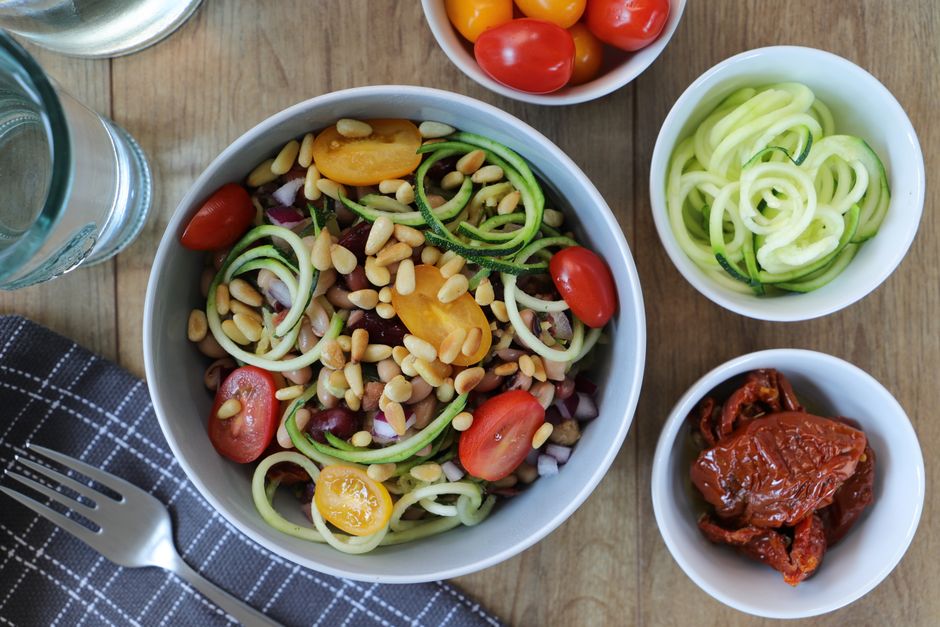
Vegetables are the highest-leverage addition. They add fiber and volume, which increases fullness, and they replace some of the pasta on the plate. A smaller portion of pasta with a larger portion of vegetables and a protein source is the pattern most consistent with the evidence.
Watch the sauce. Jarred sauces and restaurant sauces can carry substantial added sugar and sodium. A simple tomato sauce made at home is a different food from a sweetened commercial one.
Can People With Diabetes or Insulin Resistance Eat Pasta?
Many people with diabetes can eat pasta as part of a balanced meal, but portion and preparation matter more for them than for the general population. This is a conversation to have with a clinician or dietitian who knows the individual’s glucose patterns, not a blanket rule.
The general principles that apply to everyone apply more strictly here. Al dente cooking, cooling and reheating, whole grain or legume pasta, and pairing with protein and vegetables all reduce the glycemic impact. Monitoring blood glucose after meals gives a person direct feedback about how their own body responds, which is more useful than any general guideline.
No clinical guidelines recommend pasta as a treatment for diabetes or insulin resistance. The evidence supports it as a food that can fit within a well-planned diet for many people, not as a therapeutic intervention.
Does Pasta Cause Weight Gain?
No single food causes weight gain. Body weight is determined by overall energy balance and a complex mix of genetic, behavioral, and environmental factors over time. Pasta is calorie-dense relative to its volume, which means it is easy to eat more calories than intended, especially without added vegetables or protein.
Observational studies of Mediterranean-style diets, which include pasta, have generally not found pasta consumption to be associated with weight gain when it is part of a balanced pattern. That does not mean pasta is protective against weight gain. It means the food itself is not inherently fattening when eaten in reasonable portions within an overall healthy diet.
The practical issue is portion and context, not the food category. A large plate of pasta with butter and cheese eaten quickly is a different experience than a moderate portion with vegetables and protein eaten slowly.
Is Whole Wheat Pasta Actually Better Than Regular Pasta?
Whole wheat pasta has more fiber and micronutrients, and the evidence supports it as the better everyday choice. The difference in glycemic response is real but modest, and the fiber and nutrient content are the stronger argument.
Some people avoid whole wheat pasta because they find the texture heavy. Cooking it properly — al dente, with enough water, and not overcooked — helps. Blending half whole wheat with half white pasta is a reasonable transition for people who dislike the texture.
Legume pastas are worth considering for people who want more protein and fiber, but they are not a necessity. They are a different food with a different nutritional profile, and they work best when the taste suits the person eating them.
What Does the Research Actually Show About Pasta and Health?
The strongest evidence on pasta comes from studies of overall dietary patterns rather than pasta in isolation. Diets that include pasta as part of a Mediterranean-style pattern — rich in vegetables, legumes, olive oil, fish, and whole grains — are consistently associated with better cardiovascular outcomes in large observational studies.
That evidence does not prove pasta is protective. It shows that pasta can be part of a dietary pattern linked to good health outcomes. The pattern, not the pasta, is doing most of the work.
Studies looking specifically at pasta’s glycemic response consistently find that cooking method, cooling, and food pairing change the response. The direction is reliable. The size of the effect varies across studies and individuals.
What the research does not show is that pasta is a “superfood” or that any specific pasta product delivers unique health benefits. Marketing claims about special pastas should be treated with the same skepticism as any other food marketing.
The Bottom Line on Pasta as a Carb
Pasta is a moderate carbohydrate food that fits well within a balanced diet when eaten in reasonable portions and paired with vegetables and protein. It is not a health food, and it is not a villain. The evidence supports treating it as one component of an overall eating pattern, not as a food to fear or fetishize.
The variables that matter most are portion size, cooking method, what you eat with it, and whether it is whole grain or refined. Those are within your control. The carbohydrate content itself is not the deciding factor.
Frequently Asked Questions
Is pasta a simple or complex carb?
Most pasta is made from refined flour and is primarily a complex carbohydrate, though it is lower in fiber than whole grains. Whole wheat pasta has more fiber and a somewhat lower glycemic impact than white pasta.
Is pasta good for weight loss?
Pasta can fit into a weight-loss diet when portions are controlled and it is paired with vegetables and protein. No single food causes or prevents weight loss; overall calorie balance and diet quality matter more.
Does cooling pasta reduce its carbs?
Cooling cooked pasta increases resistant starch, which is not fully digested and delivers fewer available calories. The effect is real but modest and does not turn pasta into a low-carb food.
Is whole wheat pasta better than white pasta?
Whole wheat pasta has more fiber, vitamins, and minerals, and the evidence supports it as the better everyday choice. The difference in glycemic response is real but smaller than many people expect.
