
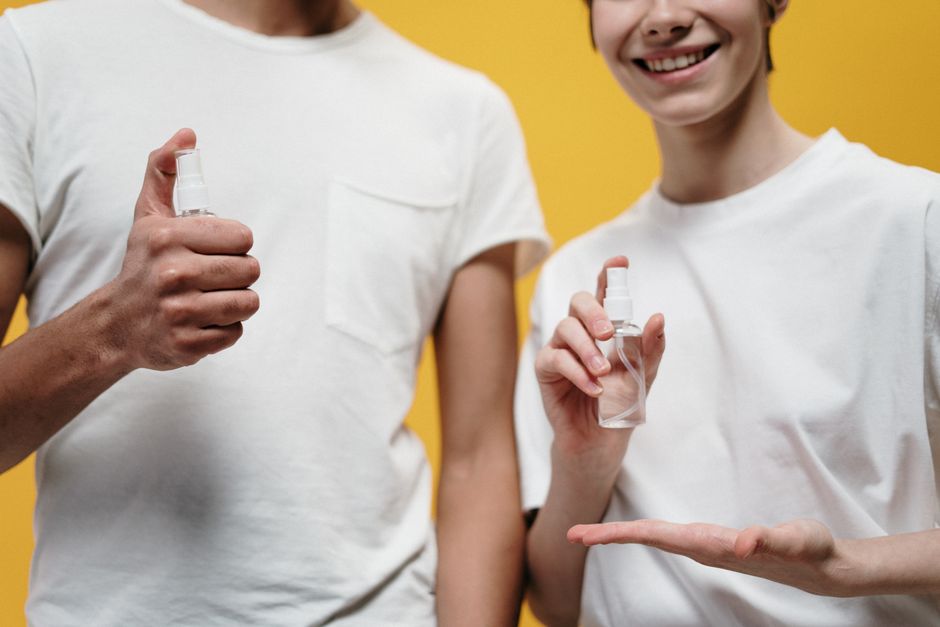
Organic alcohol in food and cosmetics is a common source of confusion for Muslim consumers. The short answer is that the halal status of organic alcohol depends entirely on its source and its intended use. Alcohol derived from grapes, dates, or raisins is considered impure and strictly forbidden, while alcohol derived from other sources like grains or sugarcane may be permissible in non-intoxicating amounts for external use. However, the debate is not settled, and different Islamic scholars and certification bodies apply different standards.
What Does Halal Mean for Alcohol?
Halal means permissible under Islamic law. When it comes to alcohol, the Quran explicitly forbids intoxicants. The word khamr is used in Islamic texts to describe intoxicating beverages, and it is strictly prohibited for consumption.
There is broad agreement among scholars that drinking alcoholic beverages is haram, meaning forbidden. The disagreement begins when alcohol is used in ways other than drinking. Cosmetics, food flavorings, and cleaning products all contain alcohol in various forms, and scholars have different views on whether these are acceptable.
The chemical term “alcohol” covers many compounds. Ethanol is the type that causes intoxication. Other alcohols like cetyl alcohol or stearyl alcohol are fatty alcohols used as thickeners in cosmetics. They do not intoxicate, and most scholars agree they are permissible. The concern centers specifically on ethanol.
Is Organic Alcohol Different From Regular Alcohol?
Organic alcohol is chemically identical to non-organic alcohol. The word “organic” refers to how the crops were grown, not to the chemical structure of the final product. Organic certification means the source crops were grown without synthetic pesticides or fertilizers.
Ethanol is ethanol. Whether it comes from organic grapes or conventionally grown corn, the molecule is the same. This means the halal question is not about the organic label. It is about the source material and the purpose of the alcohol.
Some marketing suggests that organic alcohol is somehow purer or safer. That may be true for environmental reasons, but it does not change the religious ruling. An organic wine is still wine. An organic vodka is still vodka.
What Do Islamic Scholars Say About Alcohol in Food?
Scholars have not reached a single unified position on alcohol in food. The main schools of Islamic jurisprudence have nuanced and sometimes conflicting views.
Most scholars agree that any food containing intoxicating alcohol in an amount that can cause intoxication is haram. This is the safest position and the one followed by most certification bodies. If a food product contains enough ethanol to intoxicate if consumed in quantity, it is generally considered impermissible.
The debate centers on trace amounts. Some scholars argue that alcohol used as a carrier for flavorings, such as vanilla extract, is acceptable because the amount is negligible and does not intoxicate. Others argue that any alcohol from grapes or dates is impure regardless of quantity and therefore cannot be used at all.
Research published in the Journal of Islamic Studies has examined this question, but the field remains divided. The practical reality is that different halal certification organizations apply different standards. Some certify products with trace alcohol content, while others require absolute zero ethanol.
How Is Alcohol Used in Food Products?
Alcohol appears in food more often than most people realize. It is used as a solvent for flavorings, a preservative, and a carrier for colors and extracts.
Vanilla extract is the most well-known example. Pure vanilla extract contains roughly 35 percent ethanol. Imitation vanilla may use synthetic vanillin dissolved in alcohol. Both present the same halal question.
Other common uses include:
- Flavoring extracts such as almond, lemon, and peppermint
- Bread and bakery products where alcohol is used as a preservative
- Sauces and marinades that use wine or spirits for flavor
- Confectionery items where alcohol is used as a glaze or filling
- Fermented beverages like kombucha that contain trace alcohol
The key question for each product is whether the alcohol remains in the final food and in what quantity. Cooking often burns off some alcohol, but not all of it. The assumption that all alcohol evaporates during cooking is incorrect.
What About Alcohol in Cosmetics and Personal Care Products?
Cosmetics present a different set of considerations. The primary question is whether the alcohol is intoxicating and whether it is absorbed through the skin in a way that affects the body.
Most scholars agree that applying alcohol to the skin does not cause intoxication. The skin does not absorb ethanol in significant amounts, and cosmetics are not consumed. This has led many scholars to permit alcohol in creams, lotions, and makeup.
However, some scholars take a stricter view. They argue that if the alcohol is impure by nature, it cannot be used even externally. This position is particularly strong when the alcohol comes from grapes or dates.
Perfumes are the most debated cosmetic product. Traditional perfumes are made with high concentrations of ethanol. Some scholars permit them, arguing that the alcohol is not consumed. Others prohibit them, arguing that the alcohol is impure and that wearing perfume is a form of use.
Practical guidance from many halal certification bodies distinguishes between denatured alcohol and pure ethanol. Denatured alcohol has additives that make it unfit for drinking. Some scholars permit denatured alcohol in cosmetics because it cannot be consumed and does not intoxicate.
What Is the Position of Major Halal Certification Bodies?
Halal certification bodies around the world have developed practical standards for alcohol in food and cosmetics. These standards are not uniform, but they share some common principles.
The most widely followed standard distinguishes between intoxicating and non-intoxicating alcohol. Alcohol that causes intoxication is prohibited in any amount. Alcohol that does not cause intoxication is generally permitted.
Many certification bodies set a threshold of 0.5 percent alcohol by volume for food products. Below this level, the alcohol is considered non-intoxicating and the product can be certified halal. This threshold is based on the understanding that such small amounts cannot cause intoxication.
Some certification bodies are stricter. They require that no alcohol be used in the production process at all, even if it is removed or reduced in the final product. This approach is more conservative and is preferred by some consumers who want absolute certainty.
For cosmetics, most certification bodies focus on the source of the alcohol and whether it is denatured. Alcohol from grapes or dates is treated more strictly than alcohol from grains or sugarcane.
How Can Consumers Make Informed Choices?
Consumers who want to avoid alcohol in food and cosmetics face a practical challenge. Ingredient labels often list “alcohol” without specifying the source or the amount.
Reading labels carefully is the first step. Look for specific terms like ethanol, ethyl alcohol, or grain alcohol. These indicate the presence of ethanol. Fatty alcohols like cetyl alcohol or cetearyl alcohol are not intoxicating and are generally considered permissible.
Halal certification logos are helpful but not universal. Different certification bodies have different standards. A product certified by one organization may not meet the standards of another. Consumers should learn which certification bodies they trust and look for those specific logos.
Contacting manufacturers directly is another option. Many companies can provide information about the source of alcohol in their products and whether it is denatured. This information is often available on request.
For those who want to avoid alcohol entirely, alcohol-free and halal-certified product lines exist in both food and cosmetics. These products use alternative solvents and preservatives that do not contain ethanol.
What Is the Bottom Line for Organic Alcohol?
The organic label does not change the halal status of alcohol. The question is the same for organic and conventional alcohol: what is the source, and what is the purpose?
Alcohol from grapes and dates is considered impure by most scholars and is prohibited in any use. Alcohol from other sources may be permissible in non-intoxicating amounts for external use, but opinions vary.
No single ruling applies to all products. Each food and cosmetic item must be evaluated based on its specific ingredients and production process. Consumers who want certainty should look for halal certification from a recognized body and contact manufacturers when the status is unclear.
The evidence is clear that intoxicating alcohol is haram. The evidence is less clear for trace amounts and external use. This is a genuine area of scholarly debate, and different Muslims may reasonably reach different conclusions.
Frequently Asked Questions
Is organic alcohol halal in food?
Organic alcohol is not automatically halal because the halal status depends on the source and amount, not the organic label. Alcohol from grapes or dates is generally considered haram, while trace amounts from other sources may be permitted by some scholars.
Can I use cosmetics that contain alcohol?
Many scholars permit alcohol in cosmetics because it is not consumed and does not cause intoxication. However, some scholars prohibit alcohol from grapes or dates even in external products, so the answer depends on the source and the scholar you follow.
Does cooking remove alcohol from food?
Cooking does not remove all alcohol. Some alcohol remains even after prolonged cooking, so food cooked with wine or spirits may still contain intoxicating alcohol.
What is the halal alcohol limit in food?
Many halal certification bodies use a threshold of 0.5 percent alcohol by volume, below which the product is considered non-intoxicating. Some certification bodies require zero alcohol and do not accept any threshold.
