
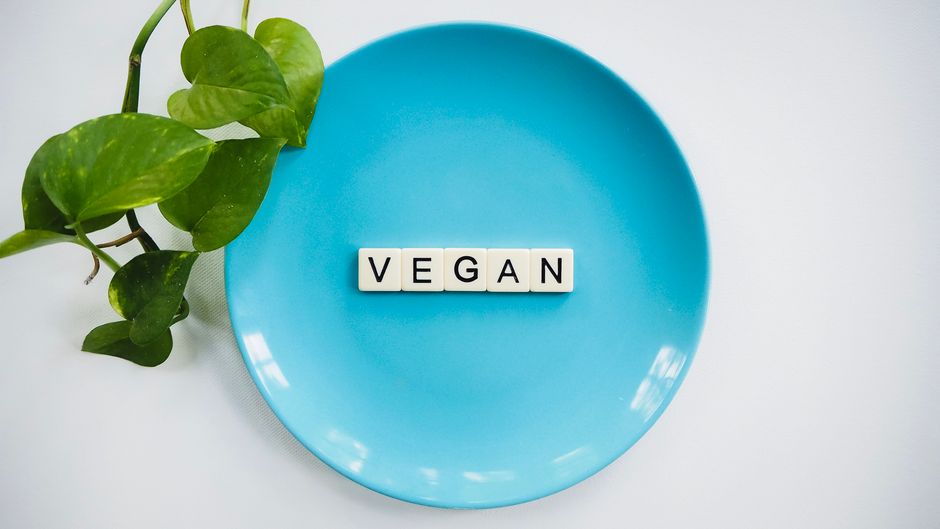
A vegan product is any food, cosmetic, or household item made without ingredients derived from animals. That means no meat, dairy, eggs, honey, gelatin, beeswax, lanolin, or carmine. It is a statement about ingredients only. It says nothing on its own about whether the product is healthy, safe, or better for the environment.
That last point trips up a lot of shoppers. People see “vegan” on a label and assume it means clean, natural, or nutritionally superior. None of those things follow automatically. A vegan cookie can be loaded with sugar and palm oil. A vegan face cream can still irritate sensitive skin. The label answers one question: were animal-derived ingredients used? Everything else requires reading further.
What Is A Vegan Product Food Cosmetics More?
The term covers three main categories, and each has its own rules and its own gray areas.
Vegan food contains no animal-derived ingredients. Fruits, vegetables, grains, legumes, nuts, and seeds qualify. So do processed foods made only from those sources. The word describes composition, not nutrition. A food can be vegan and still be highly processed, high in sodium, or low in protein.
Vegan cosmetics are personal care products made without animal ingredients. This is where labeling gets messy. Common animal-derived cosmetic ingredients include lanolin from sheep wool, beeswax, honey, carmine (a red pigment made from crushed cochineal insects), and gelatin in some capsules. A product can be free of all of these and still contain synthetic chemicals, fragrances, or preservatives that cause reactions in some people.
Vegan household and lifestyle goods include cleaning products, clothing, and footwear made without animal materials like leather, wool, silk, or down. Some people fold this into the same category as food and cosmetics, though the regulatory picture is different for each.
One distinction matters more than most shoppers realize. Vegan is not the same as cruelty-free. Vegan means no animal ingredients. Cruelty-free means the finished product or its ingredients were not tested on animals. A product can be vegan and still have been tested on animals. A product can be cruelty-free and still contain honey or lanolin. The two labels measure different things.
How Is Vegan Different From Vegetarian and Plant-Based?
These three words get used interchangeably in marketing, but they mean different things.
Vegetarian generally means no meat, poultry, or fish. Most vegetarians still eat dairy and eggs. So a vegetarian product can contain milk powder or egg whites and still be accurately labeled vegetarian.
Vegan is stricter. It excludes all animal-derived ingredients, including dairy, eggs, honey, and gelatin. For food, this is a fairly clear line. For cosmetics, it requires checking ingredient lists carefully because animal derivatives hide under unfamiliar names.
Plant-based has no legal definition in most markets. It usually signals that a product is mostly or entirely made from plants, but the word is not held to a standard. A “plant-based” burger might contain small amounts of egg or dairy. Some companies use it loosely for marketing. If avoiding all animal ingredients matters to you, “vegan” is the more reliable term to look for, though even that is not always regulated.
| Label | What it typically means | Still allows |
|---|---|---|
| Vegetarian | No meat, poultry, or fish | Dairy, eggs, honey |
| Vegan | No animal-derived ingredients | Nothing from animals |
| Plant-based | Mostly made from plants; no fixed standard | Varies; can include small amounts of animal ingredients |
| Cruelty-free | Not tested on animals | Animal-derived ingredients like honey or lanolin |
Is a Vegan Product Always Healthier?
No. Vegan is an ingredient standard, not a nutrition standard. Whether a vegan product is healthy depends entirely on what is in it.
Whole plant foods like beans, lentils, vegetables, fruits, nuts, and whole grains are the foundation of a well-planned vegan diet. Research consistently shows that diets built around these foods are linked to lower risk of several chronic conditions. But that benefit comes from the foods themselves, not from the vegan label.
Plenty of vegan packaged foods are heavily processed. Vegan cookies, chips, frozen desserts, and meat alternatives can be high in added sugar, sodium, and saturated fat. A vegan diet that leans on these foods is not automatically healthier than one that includes animal products. The label tells you what was left out. It does not tell you what was added.
Nutrient gaps are a real consideration. A vegan diet requires attention to vitamin B12, which occurs naturally almost exclusively in animal foods. It also requires care with iron, zinc, calcium, iodine, and omega-3 fatty acids. These are manageable with planning and, in some cases, fortified foods or supplements. But they do not manage themselves. Anyone considering a fully vegan diet, especially during pregnancy or for children, should talk to a qualified health professional. No clinical guidelines currently exist that let you simply swap animal foods for vegan alternatives without checking nutrient intake.




Are Vegan Cosmetics Safer for Your Skin?
Not necessarily. Vegan cosmetics contain no animal ingredients, but that says nothing about how they will behave on your skin.
Some of the most common causes of cosmetic skin reactions are synthetic: fragrances, preservatives like parabens and formaldehyde releasers, and certain dyes. All of these can appear in fully vegan products. A product being free of animal ingredients does not make it hypoallergenic or non-comedogenic.
There is also a practical wrinkle. Animal-derived ingredients sometimes serve real functions. Lanolin, for example, is a well-studied moisturizer and skin protectant that some people with very dry or damaged skin tolerate well. Beeswax gives lip balms and creams their texture. Removing these means formulators use plant or synthetic substitutes, and those substitutes are not automatically gentler. Some plant oils and essential oils are common irritants.
If you have sensitive skin, the ingredient list matters more than the vegan claim. Patch testing a new product on a small area first is a reasonable step regardless of what the label says.
What Should You Look For on a Label?
Vegan labeling is inconsistent across countries and product types. In the United States, there is no single federal definition for “vegan” on food or cosmetic labels. That means the word is used with varying degrees of rigor.
Some products carry third-party certification marks from organizations that verify ingredient sourcing. These marks generally require more documentation than a company’s own claim. They are not perfect, but they add a layer of checking.
For food, the ingredient list is your most reliable tool. Look for hidden animal derivatives. Common ones include:
- Gelatin, often from pork or beef, used in gummies, marshmallows, and some desserts
- Casein and whey, both milk proteins, found in some protein powders and processed foods
- Carmine or cochineal extract, an insect-derived red color
- Honey, beeswax, and royal jelly
- Lanolin, from sheep wool, in cosmetics and some vitamin D supplements
- Shellac, a resin from insects, used as a glaze on some candies and pills
For cosmetics, the same approach works, though ingredient names are often less familiar. If a product makes a vegan claim but the ingredient list is vague, treat the claim with caution. A company that is serious about the standard usually lists its ingredients clearly.
Does Vegan Mean Sustainable?
Not automatically. This is one of the most common assumptions, and the evidence is more complicated than the marketing suggests.
Plant-based foods generally have a lower environmental footprint than animal foods, particularly for greenhouse gas emissions and land use. That is well established. But “vegan” as a label does not account for how an ingredient was produced, where it came from, or how much packaging and transport were involved.
Some vegan cosmetics rely heavily on palm oil, a crop linked to deforestation in some regions. Some vegan foods use ingredients shipped long distances or wrapped in plastic. A product can be vegan and still carry a meaningful environmental cost. Sustainability requires looking at sourcing and production, not just whether animals were involved.
Who Should Be Careful With Vegan Products?
Most people can use vegan foods and cosmetics without issue. A few groups need more care.
People with food allergies should read labels closely. Vegan products sometimes use nuts, soy, or other common allergens as substitutes for animal ingredients. Removing dairy does not remove the risk of a reaction to something else in the product.
People with sensitive skin should patch test new cosmetics, as noted above. Vegan does not mean irritant-free.
Anyone following a fully vegan diet, particularly pregnant women, breastfeeding women, infants, and children, should work with a qualified health professional. Nutrient needs in these groups are specific, and the evidence for how to meet them on a vegan diet is best handled with individualized guidance rather than general rules. No clinical guidelines currently exist that allow a one-size-fits-all approach here.
Frequently Asked Questions
What does vegan mean on a product label?
It means the product was made without animal-derived ingredients. It does not mean the product is healthy, safe, or environmentally friendly on its own.
Is vegan the same as cruelty-free?
No. Vegan refers to ingredients; cruelty-free refers to animal testing. A product can be one without being the other.
Are vegan cosmetics better for sensitive skin?
Not necessarily. Many common skin irritants, including fragrances and preservatives, are synthetic and can appear in vegan products.
Can a vegan diet be unhealthy?
Yes. Vegan packaged foods can be high in sugar, sodium, and saturated fat, and a vegan diet requires attention to nutrients like vitamin B12, iron, and omega-3s.
