
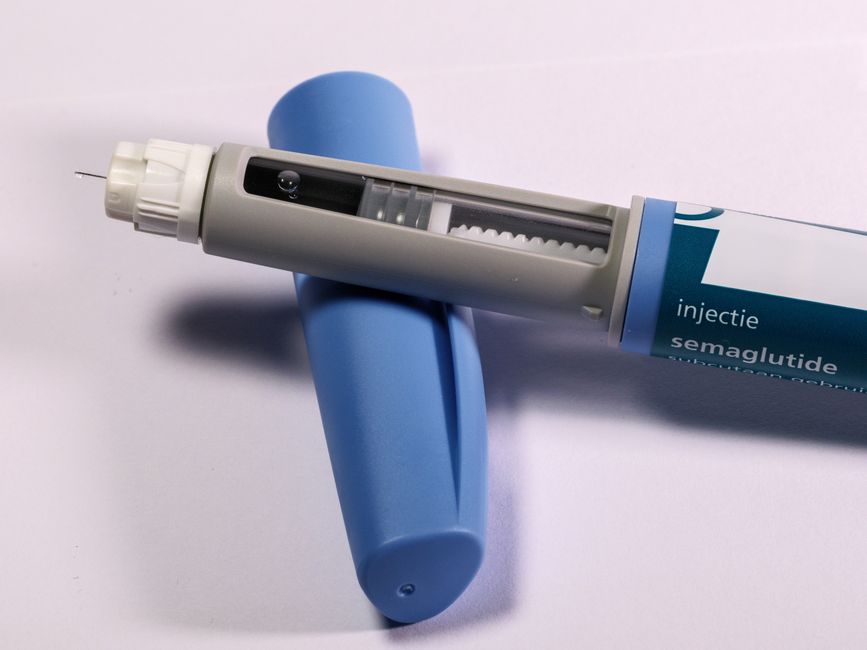
Oral semaglutide is effective for lowering blood sugar and supporting weight loss in people with type 2 diabetes. Studies show it works nearly as well as the injectable form for many patients. It is the first GLP-1 medication approved by the FDA in pill form, and real-world data confirms it helps people reach their health goals. But effectiveness depends on taking it correctly and understanding what it can and cannot do.
How Does Oral Semaglutide Actually Work in the Body?
Oral semaglutide mimics a natural hormone called GLP-1. This hormone tells your pancreas to release more insulin after you eat. It also slows down how fast food leaves your stomach, which helps you feel full longer.
The key difference from injectable semaglutide is how it gets absorbed. The stomach acid would normally break down the drug before it could work. So the oral version contains a special ingredient called SNAC that helps it absorb through the stomach lining. Research published in Diabetes Care found that this delivery system works well enough to get consistent levels of the drug into your bloodstream.
Your body processes oral semaglutide differently than the injection. The pill reaches lower peak levels in your blood compared to the shot. But studies show those levels are still high enough to produce meaningful results for most people.
Is Oral Semaglutide Effective for Weight Loss?
Yes, but the weight loss is generally less than what people see with injectable semaglutide. The PIONEER clinical trial program studied this directly. In one trial, people taking the highest dose of oral semaglutide lost an average of 9 to 10 pounds over six months. The injectable version in similar trials led to about 12 to 15 pounds of weight loss.
Some people report losing more weight than the averages suggest. But those are individual cases, not the rule. The weight loss happens because the drug reduces appetite and slows digestion. You eat less without feeling deprived.
The FDA approved oral semaglutide specifically for type 2 diabetes, not for weight loss. Doctors can prescribe it off-label for weight management, but insurance may not cover it for that purpose. If weight loss is your only goal, the injectable form has stronger evidence and FDA approval for that use.
One non-obvious point: the weight loss effect depends heavily on dose. The lowest dose of oral semaglutide (3 mg) has little to no effect on weight. The 7 mg dose starts to show results. The 14 mg dose produces the most significant weight loss. Many people never reach the effective dose because they stop due to side effects or cost.
How Well Does Oral Semaglutide Control Blood Sugar?
Blood sugar control is where oral semaglutide shines. The PIONEER trials found that people taking the 14 mg dose reduced their A1C by about 1.0 to 1.3 percentage points. That is a meaningful improvement. For comparison, the injectable version reduces A1C by about 1.5 to 1.8 percentage points.
The American Diabetes Association includes oral semaglutide as a recommended option for people who need better blood sugar control but prefer a pill over an injection. It works especially well when added to metformin. Some studies suggest it works better than other oral diabetes medications like sitagliptin or empagliflozin for lowering A1C.
But oral semaglutide is not for everyone with diabetes. It is less effective in people with very poor blood sugar control or advanced diabetes. Those patients often need injectable medications or insulin to get their A1C under control.





What Are the Side Effects and Risks of Oral Semaglutide?
Side effects are common, especially when you first start taking it. Nausea affects about 15 to 20 percent of people in clinical trials. Vomiting, diarrhea, and constipation also occur. These side effects usually get better over time as your body adjusts.
There are serious risks worth knowing about. Oral semaglutide carries a warning about thyroid C-cell tumors based on animal studies. This is rare in humans but real. The drug is not recommended for people with a personal or family history of medullary thyroid carcinoma.
Pancreatitis is another concern. Clinical trials showed a small increase in cases of pancreatitis among people taking semaglutide. If you have had pancreatitis before, this drug may not be safe for you.
Gallbladder problems including gallstones have been reported. The rapid weight loss can trigger gallstone formation in some people. This is more common with injectable semaglutide but can happen with the oral form too.
One side effect that surprises many people is the risk of diabetic retinopathy complications. In the SUSTAIN trials, people taking injectable semaglutide had a higher rate of worsening eye problems. The oral form has not been studied as thoroughly for this risk, but it likely carries a similar concern.
How Should You Take Oral Semaglutide for Best Results?
Oral semaglutide has very specific instructions that affect how well it works. You must take it on an empty stomach when you wake up. You need to swallow the tablet whole with no more than 4 ounces of plain water. Then you must wait at least 30 minutes before eating or drinking anything else.
This waiting period is critical. Food and other liquids interfere with absorption. Even coffee or juice can reduce how much of the drug gets into your system. Studies show that taking it with food can cut absorption by more than half.
Your doctor will start you on a low dose and increase it slowly over several weeks. This is called dose titration. It helps reduce nausea and other stomach side effects. The typical schedule looks like this:
- 3 mg once daily for 4 weeks
- 7 mg once daily for 4 weeks
- 14 mg once daily for maintenance
Some people need to stay at lower doses if they cannot tolerate the side effects. But lower doses produce less blood sugar control and less weight loss. Finding the right balance between effectiveness and tolerability takes time and patience.
Oral Semaglutide vs Injectable: Which One Is Better for You?
The choice between oral and injectable semaglutide depends on your priorities. The table below compares the key differences based on clinical trial data.
| Factor | Oral Semaglutide | Injectable Semaglutide |
|---|---|---|
| A1C reduction | 1.0 to 1.3 percentage points | 1.5 to 1.8 percentage points |
| Average weight loss | 9 to 10 pounds | 12 to 15 pounds |
| Dosing frequency | Once daily | Once weekly |
| Needle-free | Yes | No |
| Absorption concerns | Must take on empty stomach | No food restrictions |
| Insurance coverage | Better for diabetes | Better for weight loss |
Oral semaglutide is a good option if you are afraid of needles or have trouble with injections. It also works well for people who want moderate blood sugar improvement without moving to injectable medications.
Injectable semaglutide is better if you want maximum weight loss or need stronger blood sugar control. It is also more convenient since you take it once a week instead of every day.
Some people start with the oral form and switch to the injection later if they need better results. This is a common and reasonable approach. Your doctor can help you decide which path makes sense based on your specific health numbers and preferences.
What Are Common Misconceptions About Oral Semaglutide?
One widespread myth is that oral semaglutide is just as strong as the injectable form. The evidence does not support this. Oral semaglutide is effective but less potent. The gap is small for blood sugar control but larger for weight loss.
Another misconception is that you can take it anytime during the day. Many people assume they can take it with breakfast or after lunch. This mistake reduces effectiveness significantly. The strict morning routine is not optional — it is how the drug was designed to work.
Some people believe oral semaglutide works immediately. It does not. Blood sugar improvements take several weeks to appear. Weight loss takes even longer. Most clinical trials measured results after 6 to 12 months of consistent use.
There is also confusion about whether oral semaglutide can replace insulin. For most people with type 2 diabetes, it cannot. It works best as an add-on to other medications like metformin. Only people with mild diabetes might be able to use it alone.
Finally, some think the oral form has fewer side effects because it is a pill. This is not true. The side effect profile is very similar to the injectable version. Nausea, vomiting, and other stomach issues happen at about the same rates.
Frequently Asked Questions
Does oral semaglutide work as well as the injection?
No, it is slightly less effective for both blood sugar control and weight loss. The gap is small for blood sugar but more noticeable for weight loss.
How long does it take for oral semaglutide to start working?
Blood sugar improvements typically begin within 2 to 4 weeks. Weight loss effects take 4 to 8 weeks to become noticeable.
Can I take oral semaglutide with food?
No, you must take it on an empty stomach and wait at least 30 minutes before eating or drinking anything except plain water.
Is oral semaglutide covered by insurance?
Most insurance plans cover it for type 2 diabetes. Coverage for weight loss alone is less common and may require prior authorization.
