
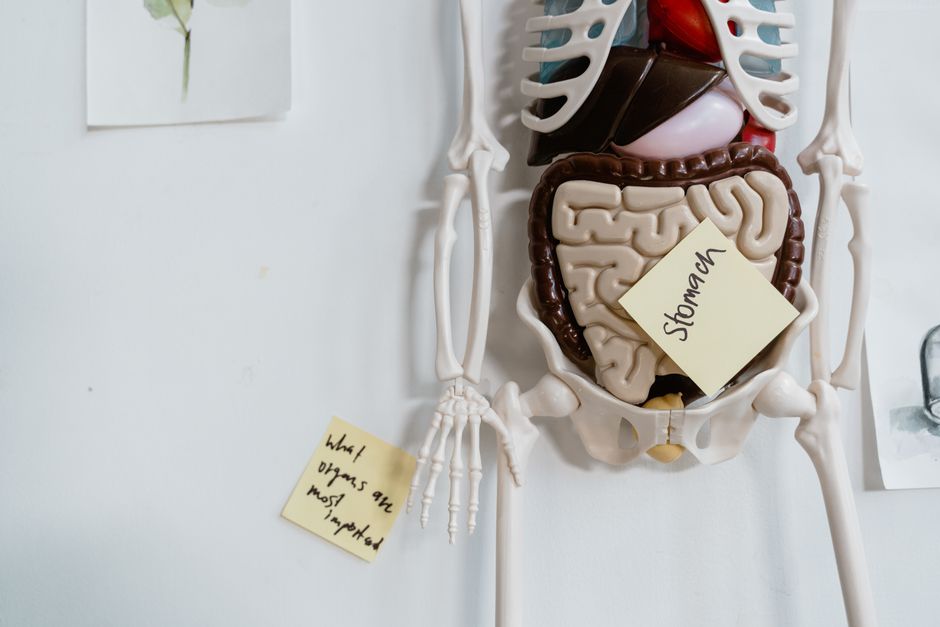
That rumbling, gurgling noise from your belly can be embarrassing, especially in a quiet room. It happens to everyone, and it is rarely a sign that something is wrong. Stomach growling, known medically as borborygmi, is simply the sound of your digestive tract moving food, fluid, and gas through its normal processes.
The noise itself is not the problem. It is the audible result of muscles contracting along your intestines. When those contractions push air and liquid around, you hear it. If it happens often, you probably want to know why your system is so loud and whether you can quiet it down.
What Actually Causes the Growling Sound?
The sound comes from your intestines, not just your stomach. Your entire digestive tract is a muscular tube. It contracts constantly to push contents forward, a process called peristalsis. These rhythmic waves of contraction mix food with digestive juices and move it along.
Inside that tube, there is always some combination of food, liquid, and gas. When the muscular walls squeeze, they push these contents around. Gas bubbles get trapped and moved, creating that characteristic gurgling noise. It is the same physics as water moving through a partially clogged pipe.
Your stomach and intestines do not have to be empty to make noise. They make noise all the time. You simply notice it more when your stomach is empty because there is less food to muffle the sound. An empty stomach amplifies the internal acoustics, making every little movement audible.
Why Does Your Stomach Growl So Much When You Are Hungry?
When your stomach has been empty for about two hours, your brain sends a signal to start a different kind of contraction. These are called migrating motor complexes. They are powerful, sweeping waves that clear out leftover food and debris from the stomach and small intestine.
This cleanup process serves a purpose. It prevents bacteria from overgrowing in the stagnant contents of your gut. But these sweeping contractions are stronger and more forceful than normal digestion contractions. They push gas and fluid around aggressively, which produces louder and more noticeable growling.
The hormone ghrelin, often called the hunger hormone, rises when your stomach is empty. Research shows that ghrelin levels correlate with these loud contractions. So when you hear a big gurgle and feel hungry, you are hearing your body’s internal housekeeping crew doing its job.
This is normal physiology. It is not a sign of starvation or low blood sugar. It simply means your digestive tract is empty and ready for the next meal.
Can Certain Foods Make Growling Worse?
Yes. Some foods produce more gas during digestion, and more gas means more noise. The main culprits are carbohydrates that your body cannot fully digest in the small intestine. These undigested carbs travel to the large intestine, where bacteria ferment them, producing gas as a byproduct.
Common gas-producing foods include beans, lentils, broccoli, cabbage, Brussels sprouts, and onions. Carbonated drinks add direct gas to your system. Sugar-free gum and candies containing sugar alcohols like sorbitol and xylitol can also increase gas production because these sweeteners are poorly absorbed.
Dairy products can be a problem for people with lactose intolerance. When your body lacks the enzyme lactase, undigested lactose ferments in the colon, causing gas, bloating, and loud gurgling. If you notice a pattern of noisy digestion after milk or cheese, lactose intolerance may be the reason.
High-fat meals can also contribute. Fat slows down digestion, which means food sits in your stomach longer. That extended time allows more gas to accumulate, and the eventual movement of that gas creates louder sounds.
When Is Stomach Growling a Sign of Something Else?
Most of the time, growling is completely harmless. But there are situations where the sound is accompanied by other symptoms that deserve attention. The noise alone is rarely the problem. It is the combination of symptoms that matters.
If your stomach growls loudly and you also have significant abdominal pain, cramping, nausea, or changes in your bowel habits, it could indicate a digestive condition. Irritable bowel syndrome, or IBS, often involves excessive gas, bloating, and audible bowel sounds. In IBS, the intestines contract abnormally, which can produce more noise.
If the growling is accompanied by diarrhea, constipation, or both, it may signal a more active digestive issue. Conditions like inflammatory bowel disease, food intolerances, or an imbalance in gut bacteria can all cause increased intestinal activity and louder sounds.
One important distinction: normal growling should not be painful. If you feel actual pain when your stomach makes noise, that is not typical. Painless rumbling is normal. Painful rumbling warrants a conversation with a doctor.
If you have unintentional weight loss, blood in your stool, or persistent vomiting along with loud bowel sounds, seek medical attention. These symptoms point to something beyond normal digestion.
How to Reduce Excessive Stomach Growling
If your stomach is constantly noisy and it bothers you, there are practical steps you can take. These strategies target the underlying causes: excess gas, empty stomach, and rapid eating habits.
- Eat regular meals. Skipping meals leaves your stomach empty for long periods, which triggers those loud hunger contractions. Eating smaller meals more frequently can keep the digestive tract working steadily without long empty stretches.
- Slow down when you eat. Swallowing air, called aerophagia, adds gas to your digestive system. Eating quickly, drinking through straws, and talking while chewing all increase the amount of air you swallow.
- Identify trigger foods. Keep a food diary for a week or two. Note what you eat and when your stomach is loudest. You may see a clear pattern linking certain foods to increased noise.
- Try smaller portions of gas-producing foods. You do not have to eliminate beans or broccoli entirely. Smaller portions may produce less gas and less noise.
- Stay hydrated. Water helps keep things moving through your digestive tract. Dehydration can slow digestion and lead to more gas accumulation.
- Move after meals. A short walk after eating can stimulate normal intestinal contractions and help move gas through your system more efficiently.
If you suspect lactose intolerance, try eliminating dairy for two weeks and see if your symptoms improve. If they do, you may need lactase enzyme supplements or lactose-free alternatives. If you suspect a specific food intolerance, an elimination diet under the guidance of a healthcare provider can help identify the trigger.
Does Drinking Water Stop Stomach Growling?
Drinking water can temporarily quiet an empty stomach, but not for long. Water fills the stomach briefly and creates some pressure, which can suppress the hunger contractions for a short time. The effect usually lasts only until the water empties into the small intestine, typically 20 to 30 minutes.
Water does not stop the underlying mechanism. The migrating motor complexes will resume once the water moves through. If you are genuinely hungry, the only lasting fix is food. If you are not hungry and just want to quiet the noise, water can be a temporary solution.
Warm liquids like tea or broth may be slightly more effective because they stay in the stomach a bit longer than cold water. But again, this is temporary. The growling will return when the liquid passes through.
Is Loud Growling a Sign of a Fast Metabolism?
Not exactly. Metabolism refers to how quickly your body burns calories. Stomach growling relates to how quickly your stomach empties and how active your intestinal contractions are. These are related but not identical processes.
People with faster gastric emptying may experience hunger sooner after a meal, which could lead to more frequent hunger growling. But a slow metabolism can also produce loud sounds if food sits in the digestive tract longer and ferments more. The noise level does not reliably tell you anything about your metabolic rate.
Some research suggests that the migrating motor complexes occur on a cycle of about 90 to 120 minutes. These cycles continue around the clock, whether you are awake or asleep. You just notice them more during the day when you are in quiet environments.
Frequently Asked Questions
Why does my stomach growl even after I eat?
Digestion itself produces noise as muscles push food, liquid, and gas through your intestines. If you ate quickly, swallowed air, or consumed gas-producing foods, the growling can be louder and more noticeable.
Can anxiety cause stomach growling?
Yes. Stress and anxiety can alter how your digestive tract contracts, sometimes speeding up or slowing down intestinal movement. This can lead to more gas and more audible noise.
Is it bad if my stomach growls all the time?
No, constant growling is usually normal and harmless. See a doctor if the growling comes with pain, nausea, vomiting, diarrhea, constipation, or unintended weight loss.
What does it mean if my stomach growls at night?
It means your digestive tract is still active, clearing out contents while you sleep. The migrating motor complexes continue on their regular cycle, and the noise is simply more noticeable in a quiet room.
