
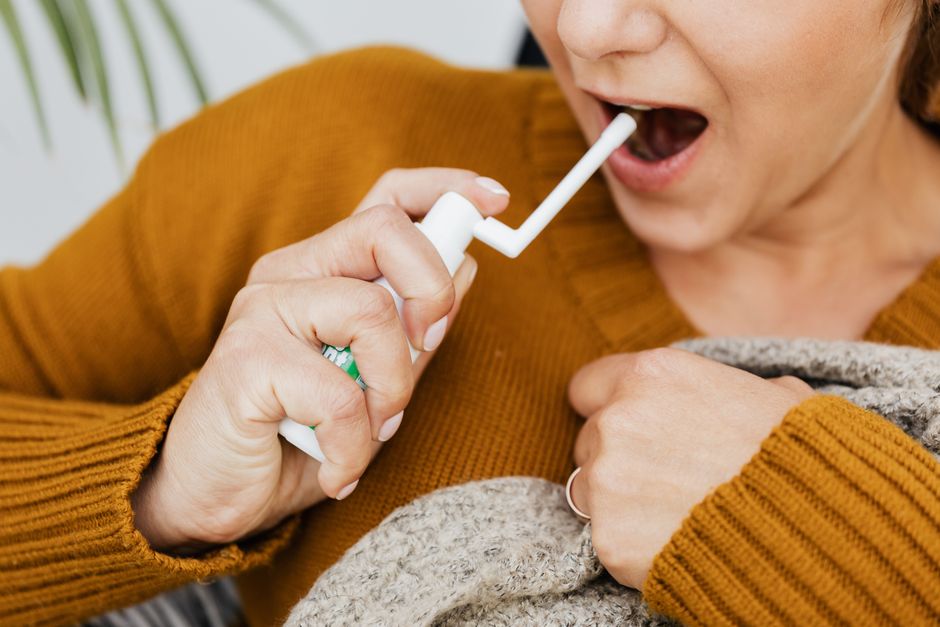
A sore throat is one of the most common reasons people visit a doctor. The question is usually simple: is this a virus that will pass, or is it strep throat, which needs antibiotics? The short answer is that you cannot reliably tell the difference by how you feel alone. The most accurate way to know if you have strep throat is a lab test, but there are specific signs that make strep more likely. This guide explains the difference between a viral sore throat and strep throat, what symptoms matter, and when to see a doctor.
What Is Strep Throat?
Strep throat is an infection caused by the bacteria Group A Streptococcus (Streptococcus pyogenes). It is not a virus. It is a bacterial infection that requires antibiotics to treat effectively and to prevent certain complications.
The bacteria spread through respiratory droplets. That means coughing, sneezing, or sharing a drink can pass it from one person to another. It is most common in children between the ages of 5 and 15, but adults can get it too. It is rare in children under the age of 3.
Unlike a viral sore throat, strep does not usually come with a cough, runny nose, or congestion. Those symptoms point strongly toward a virus. Strep is more about the throat itself, the tonsils, and sometimes the skin.
Is My Sore Throat Strep How To Tell The Difference
The most reliable way to tell the difference is a rapid strep test or a throat culture. A rapid test gives results in about 10 minutes. A throat culture takes 24 to 48 hours. Both require a swab of the back of the throat and tonsils.
Doctors look for a specific pattern of symptoms before testing. This pattern is sometimes called the Centor criteria. It includes four main signs:
- Fever above 100.4°F (38°C)
- Swollen and tender lymph nodes at the front of the neck
- White patches or pus on the tonsils
- Absence of a cough
If you have all four signs, the chance of strep is high enough that many doctors will treat you for it, sometimes without a test. If you have only one or two signs, the chance is lower, and a test is usually needed to confirm.
No single symptom is enough to diagnose strep on its own. The combination matters.
Common Symptoms of Strep Throat
Strep throat often comes on suddenly. One hour you feel fine, and the next hour your throat hurts badly. The pain is usually worse when swallowing.
Common symptoms include:
- Severe sore throat that starts quickly
- Pain with swallowing
- Red and swollen tonsils, sometimes with white patches or streaks of pus
- Tiny red spots on the roof of the mouth
- Swollen lymph nodes in the front of the neck
- Fever of 101°F or higher
- Headache
- Nausea or vomiting, especially in children
Some people also develop a fine, sandpaper-like rash. This is called scarlet fever. It is the same bacteria, just with a rash. If you or your child has a sore throat and this rash, seek medical care.
Strep does not usually cause coughing, sneezing, or a runny nose. If those symptoms are present, a virus is far more likely.





Symptoms of a Viral Sore Throat
Most sore throats are viral. The common cold, influenza, and COVID-19 all cause sore throats. These infections usually come with other symptoms that strep does not cause.
Viral sore throat symptoms include:
- Cough
- Runny or stuffy nose
- Sneezing
- Hoarse voice
- Watery or red eyes
- Mild fatigue
- Low-grade fever, if any
A viral sore throat often develops gradually. It may start with a scratchy feeling and get worse over a day or two. It is rarely as painful as strep, and it does not usually cause pus on the tonsils.
Viruses do not respond to antibiotics. Taking antibiotics for a viral sore throat does not help and can contribute to antibiotic resistance. Most viral sore throats resolve on their own within 5 to 7 days.
When to See a Doctor
You should see a doctor if your sore throat is severe, lasts more than 2 days, or comes with a fever above 101°F. You should also seek care if you have difficulty swallowing, difficulty breathing, or drooling because you cannot swallow your saliva.
See a doctor if you have:
- A sore throat with a fever and no other cold symptoms
- Swollen lymph nodes in the neck
- White patches on your tonsils
- A rash anywhere on your body
- A sore throat after being around someone diagnosed with strep
If you have recurrent strep throat, meaning multiple episodes in one year, a doctor may discuss tonsillectomy. This is a surgical option for people with frequent, severe infections. It is not a first-line treatment and is reserved for specific cases.
How Strep Throat Is Diagnosed
A doctor will first ask about your symptoms and examine your throat, tonsils, and neck. Based on that exam, they may decide to swab your throat.
The rapid strep test detects parts of the strep bacteria in the swab. It is very specific, meaning if it is positive, you almost certainly have strep. However, it is not as sensitive as a culture. That means a negative rapid test can sometimes be wrong. If the rapid test is negative but your symptoms strongly suggest strep, the doctor may send the swab for a throat culture. The culture is the gold standard and takes a day or two to grow the bacteria.
It is important to get a proper diagnosis before starting antibiotics. Taking antibiotics without a confirmed infection is not harmless. It can cause side effects, kill helpful gut bacteria, and promote resistance.
Treatment for Strep Throat
Strep throat is treated with antibiotics. Common options include penicillin or amoxicillin. For people allergic to penicillin, other antibiotics are available.
Antibiotics do several things:
- They shorten the illness by about one day
- They reduce the chance of spreading the bacteria to others
- They prevent serious complications like rheumatic fever
Rheumatic fever is a rare but serious condition that can damage the heart valves. It is largely prevented by treating strep with antibiotics. This is the main reason strep is treated rather than just managed with pain relief.
You should start feeling better within 24 to 48 hours of starting antibiotics. It is important to finish the full course, even if you feel better. Stopping early can leave some bacteria alive and increase the risk of complications.
Pain relief is also important. Over-the-counter options like acetaminophen or ibuprofen can reduce fever and throat pain. Throat lozenges, warm saltwater gargles, and cold fluids can help with comfort. Honey in warm tea can soothe the throat in adults and children over the age of 1.
What Happens If Strep Is Not Treated
Most cases of strep throat will resolve on their own within a week. That does not mean treatment is optional. Untreated strep can lead to complications.
Possible complications include:
- Peritonsillar abscess, a collection of pus behind the tonsils
- Rheumatic fever, which can damage the heart
- Post-streptococcal glomerulonephritis, a kidney condition
- Sinusitis or ear infections
These complications are rare in developed countries because antibiotics are widely available. But they are serious enough that strep should never be left untreated without a clear discussion with a doctor.
Home Care While You Recover
Whether your sore throat is viral or strep, home care can make you more comfortable.
Drink plenty of fluids. Warm liquids like broth or tea can soothe the throat. Cold liquids can numb the pain. Avoid acidic or spicy foods that can irritate the throat further.
Rest your voice if it hurts to talk. Use a humidifier to keep the air moist, which can reduce throat dryness. Gargling with warm salt water several times a day can reduce swelling and discomfort.
If you have strep, stay home from work or school until you have been on antibiotics for at least 24 hours and your fever is gone. This reduces the chance of spreading the bacteria to others.
Frequently Asked Questions
Can strep throat go away without antibiotics?
Yes, strep throat can resolve on its own within about a week, but antibiotics are still recommended to prevent serious complications like rheumatic fever.
How long is strep throat contagious?
Strep is contagious until you have been on antibiotics for at least 24 hours. Without antibiotics, you can spread it for up to 2 to 3 weeks.
Can adults get strep throat?
Yes, adults can get strep throat, though it is most common in children between 5 and 15 years old.
Is a sore throat with a cough ever strep?
A cough strongly suggests a viral infection. Strep throat rarely causes a cough, so the presence of a cough makes strep much less likely.
