
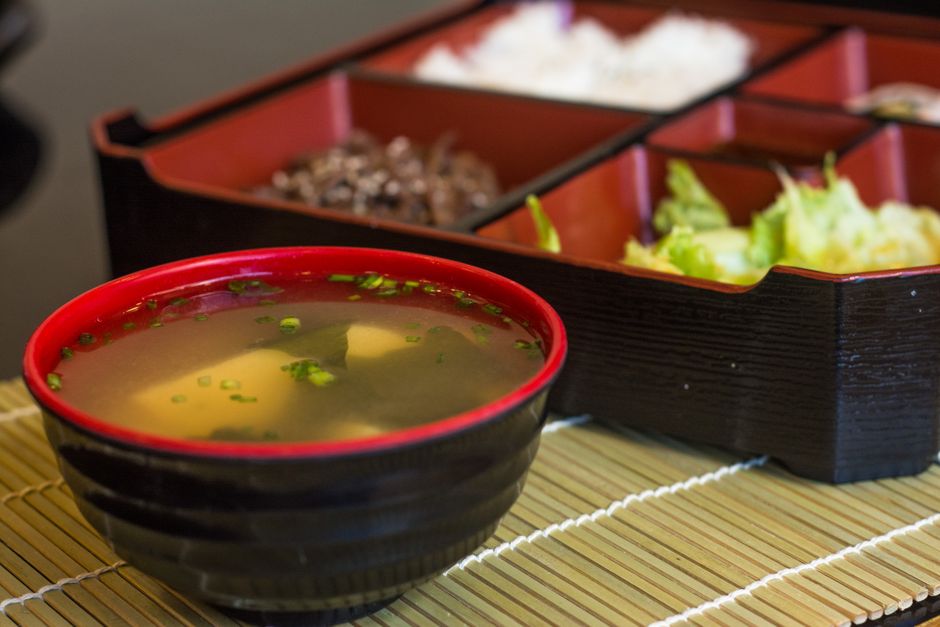
If your stomach is upset, a warm bowl of miso soup can feel soothing, but whether it actually helps depends on what is causing your symptoms. For mild nausea or stomach discomfort, miso soup is generally gentle and easy to digest. However, for conditions like acid reflux, gastritis, or food poisoning, the salt content and certain ingredients may make things worse. The short answer is that miso soup can be good for an upset stomach in some situations, but it is not a one-size-fits-all remedy.
What Makes Miso Soup Easy on the Stomach?
Miso soup is mostly warm liquid with soft ingredients. Warm fluids help with hydration, which is often the main concern when you have an upset stomach, especially if you have been vomiting or have diarrhea. Staying hydrated is one of the most important things you can do when your digestive system is off.
The fermentation process that creates miso paste breaks down some of the complex proteins and carbohydrates. This means the soup requires less digestive work than a heavy meal. The soft texture of tofu and seaweed also means there is little mechanical irritation to the stomach lining.
Fermented foods like miso contain probiotics, which are live bacteria that may support gut health. Some research suggests that these beneficial bacteria can help maintain a balanced digestive system. However, the heat used to prepare the soup typically kills most of these live cultures, so the probiotic benefit is likely minimal by the time you eat it. The soup still provides other nutrients, but do not count on it as a significant source of live probiotics.
When Miso Soup Might Help Your Upset Stomach
Miso soup can be helpful for mild stomach issues like slight nausea, indigestion, or a feeling of fullness. The warmth of the broth can promote blood flow to the digestive tract, which may aid in relaxation and comfort. Many people find warm liquids naturally calming when they do not feel well.
The sodium in miso can also be useful in specific situations. If you have been sweating, vomiting, or had diarrhea, your body loses electrolytes. A moderate amount of salt helps your body retain fluids and maintain proper electrolyte balance. This is the same reason oral rehydration solutions contain salt. Miso soup is not a medical rehydration solution, but it can contribute to fluid and electrolyte intake when you are mildly dehydrated.
If you can tolerate it, the soft tofu provides a small amount of protein. Protein helps with tissue repair and provides energy without being heavy. The seaweed adds some minerals, though the amounts are small in a typical serving.
When Miso Soup Can Make Things Worse
Miso soup is not a good choice for every type of stomach problem. If you have acid reflux or GERD, the salt and fermentation may trigger symptoms. High-sodium foods can relax the lower esophageal sphincter, which is the muscle that keeps stomach acid from flowing back up into your esophagus. This can lead to heartburn or worsen existing reflux symptoms.
If you have gastritis or a stomach ulcer, the salt content can irritate the stomach lining. The stomach lining is already inflamed in these conditions, and extra salt can increase discomfort. Some people also find that fermented foods worsen bloating or gas, particularly if they have irritable bowel syndrome (IBS) or a sensitivity to histamines. Miso is a fermented food, and fermented foods naturally contain histamines, which can trigger symptoms in sensitive individuals.
If your upset stomach is caused by food poisoning or a viral infection, you need to be more careful. Your digestive system is already trying to expel harmful substances. Introducing food too early can prolong symptoms. Most medical guidance suggests waiting until vomiting has stopped for a few hours before eating anything, and then starting with bland, low-fat foods. Miso soup may be too flavorful or salty for this stage of recovery.





How to Prepare Miso Soup for an Upset Stomach
If you decide to try miso soup for your upset stomach, how you prepare it matters. The traditional version includes ingredients that can be problematic. Start with a basic broth and add only what your stomach can handle.
Use less miso paste than the package suggests. This reduces the salt content while still giving you the warm broth. Do not add spicy ingredients like chili oil, hot pepper, or garlic, as these can irritate the stomach lining. Skip the scallions and other raw vegetables if you are feeling queasy, as raw fiber is harder to digest.
Keep the tofu soft and cut it into small pieces. If you have trouble with solid foods, you can strain the soup and drink only the broth. The broth alone provides hydration and warmth without requiring much digestion. Let the soup cool to a comfortable temperature. Very hot liquids can irritate an already sensitive stomach, and very cold liquids can cause cramping.
Some people add ginger to miso soup, and ginger has some evidence for reducing nausea. Research published in the Journal of the American Board of Family Medicine found that ginger can help with nausea from various causes. However, ginger can also be a trigger for heartburn in some people. If you tolerate ginger well, a small amount may help. If you are unsure, leave it out.
What the Evidence Says About Miso and Digestion
Research on miso soup specifically for upset stomachs is limited. Most of the evidence is indirect, coming from studies on fermented foods, warm liquids, and sodium intake. This does not mean miso soup does not help, but it means the claims are not strongly supported by clinical trials.
Some studies have looked at miso consumption and digestive health in Japanese populations. These studies generally show that regular miso consumption is associated with better overall digestive health, but they do not isolate the effects of miso on acute stomach upset. The research is observational, meaning it shows an association but does not prove cause and effect.
The evidence for warm liquids on digestion is more established. Warm fluids help stimulate peristalsis, which is the wave-like muscle contraction that moves food through your digestive tract. This can be helpful if your upset stomach involves constipation or sluggish digestion. Warm liquids also help relax the gastrointestinal tract, which can reduce cramping.
There is no clinical evidence that miso soup cures any digestive condition. It is best understood as a gentle food that may provide comfort and hydration during mild stomach upset. If your symptoms are severe, persistent, or accompanied by fever or blood, miso soup is not the answer. You need medical attention.
Other Gentle Foods to Consider
If miso soup does not sound appealing or you are concerned about the salt, there are other options. The BRAT diet, which stands for bananas, rice, applesauce, and toast, has long been recommended for upset stomachs. These foods are bland, low in fiber, and easy to digest. Modern guidance still supports these foods, though it no longer recommends restricting your diet to only these items for extended periods.
Plain broth, whether chicken, vegetable, or bone broth, provides hydration and electrolytes without the fermentation or salt concerns of miso. Oatmeal is another gentle option that provides soluble fiber, which can help with both diarrhea and constipation. Boiled potatoes without skin are easy to digest and provide potassium, which is an electrolyte often lost during vomiting or diarrhea.
Ginger tea is well-supported for nausea. Multiple studies have found that ginger can reduce nausea from pregnancy, chemotherapy, and surgery. It is a reasonable choice if your primary symptom is nausea rather than pain or reflux.
Signs You Should See a Doctor
An upset stomach usually resolves on its own within a day or two. But some symptoms require medical attention. If you have severe abdominal pain that does not improve, a fever above 101°F, blood in your vomit or stool, or signs of dehydration like dark urine, dizziness, or extreme thirst, seek medical care.
If you cannot keep any fluids down for more than 12 hours, you may need intravenous fluids. If your symptoms last more than three days without improvement, a doctor should evaluate you. These are general guidelines, and your personal health history matters. If you have a chronic condition like diabetes, kidney disease, or a weakened immune system, you should be more cautious about managing stomach symptoms at home.
Frequently Asked Questions
Is miso soup good for nausea?
Miso soup can help with mild nausea because it provides warm fluids and hydration, which are often the first things you need. However, if your nausea comes with vomiting, wait until you have gone several hours without vomiting before trying any food.
Can miso soup make acid reflux worse?
Yes, miso soup can worsen acid reflux because the salt content may relax the lower esophageal sphincter, allowing stomach acid to flow backward. If you have reflux, choose a low-sodium broth instead.
Is miso soup safe to eat after food poisoning?
Miso soup is not the best choice immediately after food poisoning because the salt and fermentation can irritate a recovering digestive tract. Start with clear fluids like water or plain broth, and introduce bland solid foods only after your symptoms improve.
Does cooking miso soup kill the probiotics?
Yes, boiling or simmering miso soup kills most of the live probiotic bacteria. To preserve some probiotic content, you can add the miso paste at the very end and avoid boiling the soup after adding it.
