
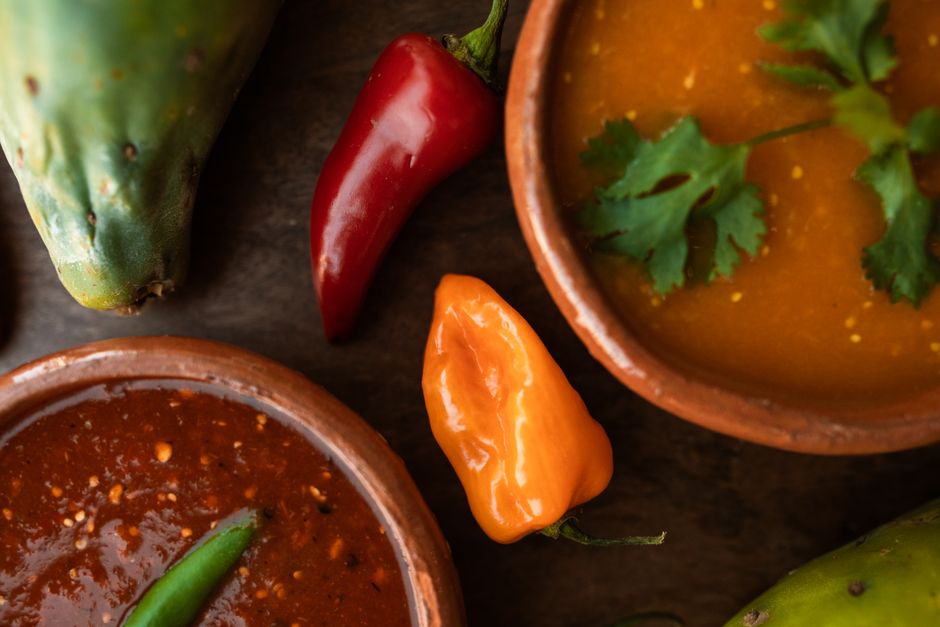
Mexican food is one of the most popular cuisines in the United States, and it can be a genuinely healthy choice—or a heavy one. The answer depends entirely on how the food is prepared and what you order. Authentic Mexican food built on beans, corn, vegetables, and lean proteins is highly nutritious. American-style restaurant versions loaded with cheese, sour cream, and fried shells are a different story. Understanding the difference lets you enjoy the flavors without guessing whether your meal is helping or hurting your health.
Is Mexican Food Good For You Benefits And Pitfalls
Mexican food offers real nutritional benefits that are easy to overlook. The cuisine is built on staple ingredients like beans, corn, tomatoes, avocados, and chiles. These foods provide fiber, plant protein, vitamins, and healthy fats. Traditional cooking methods—steaming, grilling, and simmering—preserve nutrients without adding excessive calories.
The pitfalls come from portion size and added ingredients. Many restaurant dishes are fried, smothered in cheese, or served with mountains of rice and beans. A single appetizer can contain more calories, sodium, and saturated fat than an entire day’s recommendation. The cuisine itself is not the problem. The problem is the Americanized version served in many chain restaurants.
You can eat Mexican food regularly and maintain a healthy diet. The key is knowing which dishes support your goals and which ones work against them. This guide breaks down the nutritional reality of Mexican food so you can order with confidence.
What Are the Healthiest Mexican Food Options?
Several traditional Mexican dishes are genuinely nutrient-dense. Bean-based dishes like black beans and pinto beans provide protein and fiber. A single cup of cooked black beans contains roughly 15 grams of protein and 15 grams of fiber. That combination keeps you full and supports digestive health.
Fish tacos made with grilled white fish offer lean protein and omega-3 fatty acids. Choose corn tortillas over flour for more fiber and fewer calories. Fajitas with grilled chicken, peppers, and onions are another strong choice. The vegetables add vitamins A and C, while the grilled protein keeps saturated fat low.
Guacamole provides heart-healthy monounsaturated fats from avocados. These fats support cholesterol levels when they replace saturated fats in your diet. Salsa is essentially a vegetable dish—tomatoes, onions, cilantro, and chiles with minimal calories and good amounts of vitamin C and lycopene.
Vegetarian options like vegetable burritos or enchiladas with beans can be excellent choices when prepared without excessive cheese. The beans provide plant protein, and the vegetables add fiber and micronutrients. Ask for sauces on the side so you control how much you add.
Which Mexican Dishes Are the Most Problematic?
Some Mexican dishes are nutritionally challenging regardless of how they are prepared. Chimichangas are deep-fried burritos. The frying process adds significant calories and fat. A single chimichanga can contain over 1,000 calories before you add any sides.
Quesadillas are another common pitfall. The tortilla is cooked in butter or oil, then filled with large amounts of cheese. The result is a meal that is high in saturated fat and refined carbohydrates with very little protein or fiber.
Loaded nachos combine fried tortilla chips, cheese sauce, ground beef, sour cream, and jalapeños. This dish is essentially a collection of calorie-dense ingredients with minimal nutritional value. A full order can exceed the daily recommended intake for sodium and saturated fat in one sitting.
Refried beans are often cooked with lard or bacon fat. Traditional versions made with vegetable oil are better, but restaurant versions frequently use animal fats. Ask whether the beans are cooked with oil or lard before ordering.





How Many Calories Are in a Typical Mexican Restaurant Meal?
Calorie counts vary widely depending on the restaurant and the dish. A simple order of chicken fajitas with tortillas typically contains 700 to 1,000 calories. A beef burrito with rice, beans, cheese, and sour cream often runs 800 to 1,200 calories. Combination plates with multiple items can easily exceed 1,500 calories.
These numbers matter because the average adult needs roughly 2,000 to 2,500 calories per day. A single restaurant meal that provides half or more of your daily calories is not inherently bad—but it becomes a problem if you eat that way regularly.
The bigger concern is sodium. Many Mexican restaurant dishes contain 2,000 to 4,000 milligrams of sodium. The American Heart Association recommends limiting sodium to 2,300 milligrams per day, with an ideal limit of 1,500 milligrams for most adults. A single meal can exceed that entire daily allowance.
Are Corn Tortillas Healthier Than Flour Tortillas?
Corn tortillas are generally the healthier choice. They are made from masa harina, which is corn treated with lime. This process increases the availability of niacin and calcium. Corn tortillas are naturally gluten-free and contain more fiber than flour tortillas.
A standard corn tortilla (about 6 inches) contains roughly 50 to 60 calories and 1.5 grams of fiber. A similar flour tortilla contains 90 to 120 calories and less than 1 gram of fiber. The flour version also has more sodium and refined carbohydrates.
Flour tortillas are not inherently unhealthy. They provide some protein and are often more pliable, which makes them easier to fill. But for daily eating, corn tortillas offer better nutrition for fewer calories. If you are watching your carbohydrate intake, corn tortillas are the better choice.
What About the Rice and Beans on the Side?
Mexican rice and beans are often misunderstood. Mexican rice is typically white rice cooked with tomatoes, onions, and spices. It provides some vitamins from the vegetables, but the base is refined white rice. The portion served in restaurants is often two to three times the recommended serving size.
Beans are genuinely nutritious. They provide protein, fiber, iron, and folate. The problem is not the beans themselves—it is how they are prepared and how much you eat. A half-cup serving of beans is reasonable. A heaping cup served alongside a burrito adds significant calories.
If you want to manage portions, ask for rice and beans on the side rather than mixed into your main dish. This gives you control over how much you eat. You can also ask for extra vegetables instead of rice.
How Can You Make Healthier Choices at a Mexican Restaurant?
Ordering healthy Mexican food requires a few simple strategies. Start by skipping the chips or limiting yourself to a small handful. Chips and salsa can add 300 to 500 calories before your meal even arrives.
Choose grilled options over fried ones. Grilled chicken, shrimp, or fish provide lean protein. Fried items like chimichangas, flautas, and taquitos add unnecessary fat and calories.
Ask for sauces and toppings on the side. Sour cream, cheese, and guacamole are calorie-dense. Controlling the amount you add makes a meaningful difference. A single tablespoon of sour cream adds about 30 calories. A quarter-cup of shredded cheese adds about 110 calories.
Request corn tortillas instead of flour when possible. Ask whether the refried beans are cooked with oil or lard. Choose water or unsweetened beverages over sugary drinks like horchata or margaritas. A single margarita can contain 300 to 500 calories.
Consider ordering from the appetizer menu as your main course. A cup of black bean soup or a small order of ceviche can be a satisfying meal with fewer calories than a full entree.
Is Authentic Mexican Food Healthier Than Tex-Mex?
Authentic Mexican food and Tex-Mex are different cuisines with different nutritional profiles. Authentic Mexican food relies heavily on vegetables, beans, corn, and lean meats. Dishes are often simmered, grilled, or steamed. Portions tend to be more moderate.
Tex-Mex is characterized by heavy cheese, beef, wheat flour tortillas, and canned vegetables. Dishes like chili con carne, nachos, and fajitas with excessive toppings are Tex-Mex inventions. They are not traditional Mexican dishes.
Neither cuisine is inherently good or bad. Tex-Mex can be part of a healthy diet if you choose wisely and watch portions. Authentic Mexican food generally makes it easier to eat well because the base ingredients are more nutritious.
Does Mexican Food Fit Into a Weight Loss Plan?
Mexican food can absolutely fit into a weight loss plan. The cuisine offers many options that are high in protein and fiber while being moderate in calories. The challenge is navigating restaurant menus where large portions and calorie-dense toppings are standard.
For weight loss, focus on protein and vegetables. Choose grilled chicken, fish, or beans as your protein source. Fill half your plate with vegetables or salad. Limit or skip the rice, tortillas, and chips.
Studies consistently show that dietary patterns high in fiber and protein support weight management. Mexican food can provide both when prepared thoughtfully. The fiber in beans and vegetables promotes fullness. The protein in lean meats and beans supports muscle maintenance.
If you are eating at a restaurant, consider eating half your meal and taking the rest home. Restaurant portions are often twice what you need. Splitting an entree with a dining partner is another effective strategy.
Frequently Asked Questions
Is Mexican food healthy for you?
Mexican food can be healthy when it emphasizes beans, vegetables, corn tortillas, and lean proteins. It becomes less healthy when dishes are fried, loaded with cheese, or served in very large portions.
What is the healthiest thing to order at a Mexican restaurant?
Grilled fish or chicken tacos on corn tortillas, fajitas with extra vegetables, and bean-based dishes are among the healthiest options. Ask for sauces and cheese on the side to control calories.
Are Mexican restaurants high in sodium?
Many Mexican restaurant dishes contain 2,000 to 4,000 milligrams of sodium, which can exceed the daily recommended limit of 2,300 milligrams. Ask for sauces on the side and choose grilled items to reduce sodium.
Can you eat Mexican food on a low-carb diet?
Yes, if you focus on grilled meats, vegetables, guacamole, and salsa while skipping tortillas, rice, and beans. Many restaurants will serve fajitas without tortillas or over a salad.
