
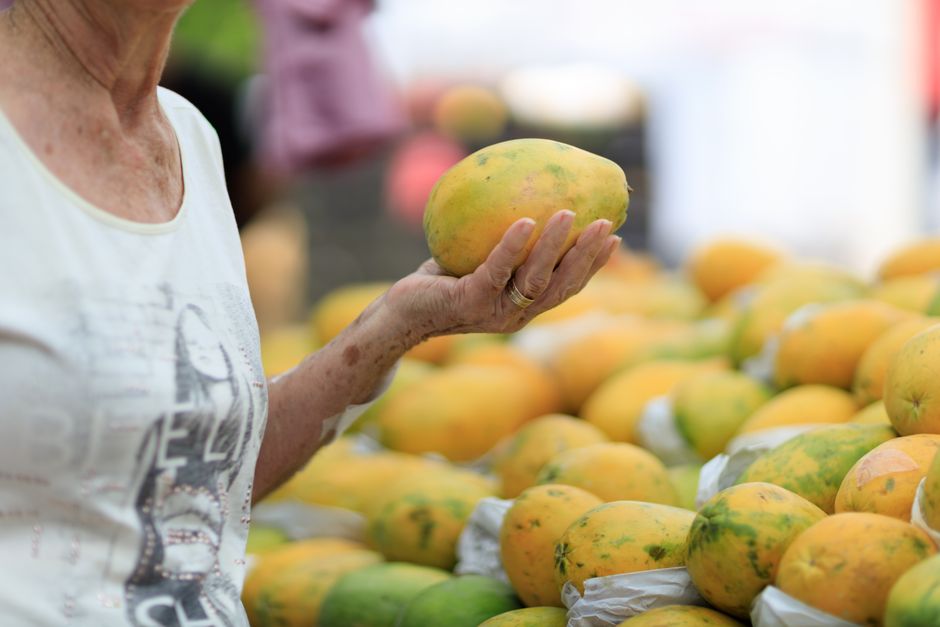
If you follow a low FODMAP diet for irritable bowel syndrome (IBS), you have probably wondered about mango. The short answer is no, fresh mango is not considered a low FODMAP food. It contains excess amounts of fructose, which is a type of FODMAP that can trigger digestive symptoms in sensitive people. However, the story does not end there. Serving size matters greatly, and some forms of mango may be safer than others.
What Does Low FODMAP Actually Mean?
FODMAP stands for Fermentable Oligosaccharides, Disaccharides, Monosaccharides, And Polyols. These are short-chain carbohydrates that are poorly absorbed in the small intestine.
When these carbohydrates are not absorbed properly, they travel to the large intestine. There, gut bacteria ferment them rapidly. This fermentation process produces gas and draws water into the bowel, which can cause bloating, abdominal pain, flatulence, and changes in bowel habits.
The low FODMAP diet was developed by researchers at Monash University in Australia. It is not a forever diet. It is typically used for a short period—usually two to six weeks—to see if symptoms improve. After that, foods are reintroduced one at a time to identify personal triggers.
Mango is a fruit that contains fructose. Fructose is a monosaccharide, and it is one of the FODMAP groups that can cause issues. The key issue is the balance between fructose and glucose in the fruit. When a fruit has more fructose than glucose, it is considered high in “excess fructose.” Mango falls into this category.
Is Mango Low FODMAP in Any Serving Size?
Research from Monash University, which maintains the most widely used FODMAP food database, has tested mango. Their findings show that a small serving of dried mango—about one tablespoon or 10 grams—is low FODMAP.
However, fresh mango is different. A typical serving of fresh mango—around half a cup or 75 grams—is considered high in FODMAPs. This is because the fructose load in that amount exceeds the threshold that most people with IBS can tolerate.
Some people can handle a bite or two of fresh mango without symptoms. But this is not consistent across all individuals. The threshold for fructose intolerance varies significantly from person to person.
If you are strictly following the elimination phase of the low FODMAP diet, you should avoid fresh mango entirely. If you are in the reintroduction phase, you can test your personal tolerance with a small amount under the guidance of a registered dietitian.
Why Does Mango Trigger Symptoms in Some People?
Mango contains fructose, glucose, and sorbitol in varying amounts depending on ripeness and variety. The main problem for most people is the fructose content.
Fructose is absorbed in the small intestine through a specific transporter called GLUT5. This transporter has a limited capacity. When you consume more fructose than the transporter can handle, the unabsorbed fructose moves into the colon.
In the colon, bacteria ferment the fructose. This produces hydrogen gas, which distends the intestinal wall. For someone with visceral hypersensitivity—a common feature of IBS—even normal amounts of gas can cause significant pain.
Interestingly, glucose helps the absorption of fructose. When fructose and glucose are present in equal amounts, absorption is usually better. This is why table sugar, which is half fructose and half glucose, is often better tolerated than honey or agave, which have more fructose than glucose.
Mango has more fructose than glucose. That imbalance is what makes it problematic for many people with IBS.





Are Some Types of Mango Better Than Others?
Ripeness affects the sugar profile of mango. As mango ripens, the starch converts to sugars. The fructose content tends to increase as the fruit becomes sweeter.
This means a less ripe mango might be slightly lower in fructose than a fully ripe one. However, no published research currently confirms that under-ripe mango is safe on a low FODMAP diet. The difference is likely not enough to make it a reliable choice.
Dried mango is a different product entirely. Because it is concentrated, the serving size must be very small to stay low FODMAP. The Monash data suggests that only about one tablespoon is safe.
Mango juice and mango puree are also problematic. These products remove the fiber but concentrate the sugars. A small glass of mango juice can contain the fructose equivalent of several servings of whole fruit.
Mango-flavored products, such as candies or yogurts, vary widely. The label matters more than the flavor. Check for actual mango content and total sugar per serving.
What Can You Eat Instead of Mango?
If you miss the tropical sweetness of mango, you have several low FODMAP fruit options. These fruits have a better balance of fructose to glucose or contain lower total FODMAPs.
- Banana — ripe bananas are low FODMAP in servings up to one medium fruit
- Blueberries — low FODMAP in servings up to one cup
- Strawberries — low FODMAP in servings up to five medium berries
- Orange — low FODMAP in servings up to one medium fruit
- Pineapple — low FODMAP in servings up to one cup
- Grapes — low FODMAP in servings up to one cup
- Cantaloupe — low FODMAP in servings up to half a cup
Papaya is another tropical option that is often better tolerated than mango. It is low FODMAP in servings up to half a cup. The texture is similar to mango, and it can work well in smoothies or fruit salads.
When you are in the maintenance phase of the diet, you may find that you can tolerate small amounts of mango. Some people can handle a few cubes without issues. Others cannot touch it at all. Your personal tolerance is the final guide.
How to Test Your Tolerance to Mango
If you want to know whether mango can be part of your long-term diet, you need to test it properly. This should only happen after your symptoms have improved on the elimination phase.
Start with a very small amount. One or two small cubes of fresh mango is a reasonable starting point. Eat it alone on an empty stomach so you can clearly identify any reaction.
Wait 24 to 48 hours and monitor your symptoms. Bloating, gas, abdominal pain, or changes in bowel habits within that window suggest you are sensitive to the fructose in mango.
If you tolerate that small amount, you can try a slightly larger serving on another day. Increase gradually—half a cup, then three-quarters of a cup. Keep a food and symptom diary during this process.
Work with a registered dietitian who specializes in the low FODMAP diet. They can help you interpret your results and ensure you are not missing nutrient gaps while restricting fruits.
Does Cooking Mango Change Its FODMAP Content?
Cooking does not break down fructose. The FODMAP content of mango remains essentially the same whether it is raw, grilled, or baked.
Heat can change the texture and flavor, but it does not alter the molecular structure of the sugars in a way that improves absorption. A grilled mango slice will still contain the same excess fructose as a raw slice.
Fermentation is the only process that significantly reduces FODMAPs in foods. This is why sourdough bread is lower in FODMAPs than regular bread. The fermentation process consumes some of the carbohydrates. Mango is not typically fermented for consumption, so this does not apply.
What About Mango Supplements or Extracts?
Mango supplements are marketed for various health purposes, including skin health and inflammation. These products are not relevant to the low FODMAP diet question.
Supplements typically contain concentrated extracts rather than whole fruit. Their FODMAP content has not been studied or labeled. If you are sensitive to FODMAPs, it is safest to avoid these products unless you have confirmed their contents with the manufacturer.
Some mango supplements contain added fillers, sweeteners, or other high FODMAP ingredients. Always read the full ingredient list before purchasing.
Frequently Asked Questions
Can I eat dried mango on a low FODMAP diet?
A small serving of about one tablespoon or 10 grams of dried mango is considered low FODMAP. Larger servings are high in FODMAPs and may trigger symptoms.
Is mango worse than other fruits for IBS?
Mango is higher in excess fructose than many other fruits, which makes it more likely to trigger symptoms in people with fructose malabsorption. Fruits like bananas, blueberries, and oranges are generally better tolerated.
Does organic mango have less fructose?
No evidence currently shows that organic farming practices change the fructose content of mango. The sugar profile is determined primarily by the variety and ripeness of the fruit.
Can I drink mango juice on a low FODMAP diet?
Mango juice is not recommended on a low FODMAP diet because it concentrates the sugars and removes the fiber. Even small amounts can contain excess fructose.
