
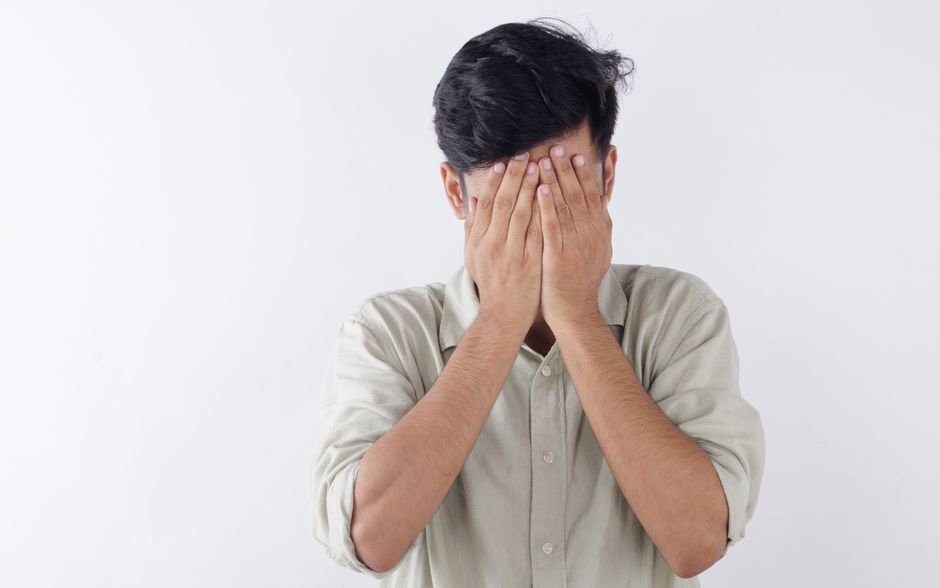
Low libido can be a sign of depression, but it is rarely the only one. Depression commonly reduces interest in sex, and the effect runs in both directions — low mood can lower desire, and low desire can deepen low mood. That said, many other conditions, medications, and life circumstances cause low libido too. So a change in sex drive alone does not confirm depression, and depression does not always lower libido.
Is Low Libido A Sign Of Depression What To Know?
Depression is a whole-body condition. It affects mood, sleep, appetite, energy, concentration, and interest in things that used to feel pleasurable. Sex is one of those things.
Doctors call this loss of interest anhedonia. It is one of the two core symptoms of major depressive disorder, along with persistent low mood. Anhedonia does not only mean losing interest in hobbies or food. It can mean losing interest in intimacy, affection, and sex.
In the diagnostic criteria for major depressive disorder, a marked loss of interest or pleasure appears as a defining feature. Sexual desire often falls under that same umbrella. So yes, low libido can be part of the depression picture.
But the reverse is not automatically true. Having a low sex drive on its own — without low mood, fatigue, sleep problems, or loss of pleasure in other areas — is usually not enough to point to depression.
How Does Depression Lower Sex Drive?
Depression affects the brain systems that regulate reward, motivation, and energy. Those systems overlap heavily with the ones involved in sexual desire.
The brain chemical dopamine plays a central role in motivation and reward. When someone is depressed, the reward circuitry tends to respond less strongly to things that would normally feel good. Sex is caught up in that same reduced response.
Serotonin is another key player. It helps regulate mood, and it also influences sexual function. The relationship is not simple — serotonin activity that helps mood can dampen sexual desire and arousal. This is part of why some antidepressants affect sex drive.
Depression also disrupts sleep, drains energy, and raises stress hormones like cortisol. Fatigue and stress both reduce interest in sex. When you are exhausted and tense, desire often fades.
There is a psychological layer too. Depression often brings feelings of worthlessness, guilt, and disconnection from a partner. Those feelings make intimacy harder. A person may withdraw, which lowers desire further, which can then reinforce the low mood. It becomes a loop.
What Else Causes Low Libido?
Low libido has many possible causes, and depression is only one. Doctors usually consider several at once before settling on an explanation.
Hormonal factors matter. Low testosterone in men and shifting estrogen or testosterone levels in women can reduce desire. Thyroid problems can also play a role. These are checked with blood tests, not assumed.
Medications are a common and often overlooked cause. Antidepressants — especially a class called SSRIs — are well known to affect sexual desire and function. Blood pressure medicines, some hormonal treatments, and certain other drugs can do the same. If libido dropped after starting a new medication, that timing matters.
Physical health conditions contribute too. Diabetes, heart disease, and chronic pain can all reduce sex drive, sometimes directly and sometimes through fatigue and stress.
Life circumstances play a large part. Relationship problems, grief, job stress, new parenthood, and major life changes can all lower desire. These are not signs of depression by themselves. They are normal responses to hard situations.
Substance use, including alcohol and some recreational drugs, can also reduce libido.
Here is the practical point: low libido is a symptom, not a diagnosis. It tells you something changed. It does not tell you why.





Can Antidepressants Cause Low Libido?
Yes, and this is one of the most important things to understand, because it can be confused with depression itself.
SSRIs and related antidepressants are widely prescribed and genuinely helpful for many people. They also commonly affect sexual desire, arousal, and orgasm. This is a well-documented side effect, not a rare one.
The tricky part is timing. If someone starts an antidepressant and their libido drops, it can be hard to tell whether depression is still the cause or the medication is. Often it is both.
This matters because the solution differs. If a medication is a major factor, a doctor may adjust the dose, switch to a different drug, or add another medication. None of these should be done without medical guidance. Stopping an antidepressant suddenly can cause withdrawal effects and a return of depression symptoms.
Anyone dealing with this should raise it directly with their prescriber. Sexual side effects are a legitimate medical concern, not an embarrassment to work around. Many clinicians treat it as a normal part of the conversation.
When Should Low Libido Be Taken Seriously?
Low libido deserves attention when it is a change from your normal and when it bothers you or your relationship. That is the real threshold — not a number, and not a comparison to anyone else.
It is worth talking to a doctor or mental health professional if low libido comes with any of these:
- Persistent low mood or sadness most of the day
- Loss of interest in things you used to enjoy
- Sleep problems — sleeping too much or too little
- Fatigue or loss of energy
- Feelings of worthlessness or guilt
- Trouble concentrating or making decisions
- Changes in appetite or weight
When several of these appear together and last for weeks, that pattern is more consistent with depression than low libido alone. A clinician can assess the full picture.
If you are having thoughts of harming yourself, that is a medical emergency. In the US, you can call or text 988 to reach the Suicide and Crisis Lifeline at any time.
Does Treating Depression Improve Libido?
Often it does, but not always, and not right away. The evidence here is worth stating honestly.
When depression lifts, many people find their interest in sex returns. That makes sense — the reward system starts responding again, energy comes back, and the psychological weight eases. For some, this happens gradually as treatment takes effect.
But treatment can also complicate the picture. If the treatment is an antidepressant with sexual side effects, libido may improve in some ways and stay low in others. This is why follow-up matters. A good clinician will ask about sexual function, not wait for the patient to bring it up.
There is no single timeline that applies to everyone. Recovery from depression varies widely, and sexual desire tends to return as part of overall recovery rather than on a fixed schedule.
The key is to treat the whole person — mood, sleep, hormones, medications, and relationship factors — rather than assuming one cause and one fix.
What Should You Do Next?
Start by noticing the pattern. Is low libido the only change, or are there other symptoms too? Did it start around the same time as a new medication, a stressful period, or a shift in mood? That context helps a doctor enormously.
Bring it up at your next appointment, or make one if the change is bothering you. Be specific about what changed and when. There is no need to be embarrassed — clinicians discuss sexual health regularly.
Do not stop or change any medication on your own. That applies especially to antidepressants, where abrupt changes can cause real problems.
And if low mood, loss of pleasure, or hopelessness are part of what you are feeling, treat that as the priority. Low libido may be a signal worth following, but it is the depression itself that needs care. Support is available, and it works for many people.
Frequently Asked Questions
Is low libido a common symptom of depression?
Yes, reduced interest in sex is common in depression because it falls under the loss of pleasure that defines the condition. It often appears alongside low mood, fatigue, and sleep changes rather than on its own.
Can depression cause low libido without other symptoms?
It is possible but less typical, since depression usually affects several areas of life at once. Low libido by itself is more often linked to hormones, medications, stress, or relationship factors.
Do antidepressants make low libido worse?
They can, especially SSRIs, which are well known to affect sexual desire and function. If this happens, talk to your prescriber rather than stopping the medication on your own.
Does low libido get better when depression is treated?
For many people it improves as depression lifts, though the timeline varies and medication side effects can complicate it. Follow-up care helps sort out what is driving the change.
