
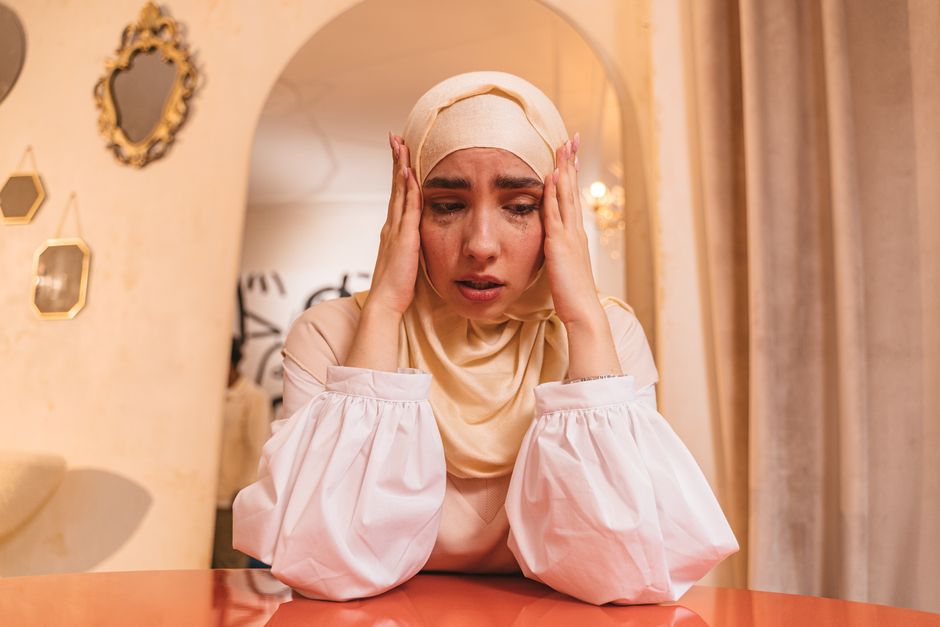
Crying because you dropped your keys or felt overwhelmed by a small task can be confusing and embarrassing. It might make you wonder if something deeper is going on. Frequent crying over minor triggers can be a sign of depression, but it is not a diagnosis on its own. Many factors, from hormone shifts to high stress levels, can make tears come more easily, and understanding the difference is the first step toward getting the right help.
Why Do I Cry So Easily Over Small Things?
Crying is a normal human response to a range of emotions, not just sadness. It can be a release valve for frustration, overwhelm, or even joy. When you find yourself crying over what feels like nothing, it usually means your emotional threshold has lowered. This means it takes less stimulus to push you from feeling okay to feeling tearful.
This lowered threshold is often linked to exhaustion. When you are physically or mentally tired, your brain has fewer resources to regulate emotions. A small inconvenience that you would normally brush off can suddenly feel like the final straw. Stress operates similarly. Chronic stress keeps your nervous system on high alert, making you more reactive to everything around you. Crying can become a way for your body to release that built-up tension. It is not a sign of weakness; it is a sign that your emotional cup is overflowing.
Is Crying Over Little Things A Sign Of Depression?
Yes, crying more easily or more often than usual can be a symptom of depression. However, it is crucial to understand that it is one symptom among many. Depression is not just feeling sad. It is a persistent change in mood, thinking, and physical health that lasts for at least two weeks. Crying alone, without other symptoms, is rarely enough to indicate clinical depression.
Depression often changes how a person experiences emotions. Some people with depression feel a profound emptiness or numbness rather than sadness. Others find that they cry frequently, sometimes without knowing exactly why. This tearfulness in depression is often tied to feelings of hopelessness, worthlessness, or a sense that things will not get better. If your crying is accompanied by a loss of interest in activities you used to enjoy, changes in appetite or sleep, fatigue, or difficulty concentrating, it is worth discussing with a healthcare provider. These additional signs help paint a clearer picture than crying alone.
Other Conditions That Can Cause Frequent Crying
Depression is not the only reason someone might cry more easily. Several other factors and conditions can affect emotional regulation. Hormonal changes are a common culprit. Premenstrual syndrome, pregnancy, and perimenopause can all cause significant mood shifts and increased tearfulness due to fluctuating estrogen and progesterone levels.
Anxiety is another major factor. People with anxiety often experience a constant state of worry and tension. This heightened state can make them more sensitive to criticism, more easily frustrated, and more prone to tears. Grief is another powerful trigger. Even months after a loss, the emotional weight can surface unexpectedly, causing tears in response to seemingly unrelated events. Additionally, certain medications, including some antidepressants and birth control pills, list increased emotionality or crying as a potential side effect. If you have started a new medication and noticed a change in your crying patterns, talk to your prescribing doctor.





How To Tell If Your Crying Is A Problem
The line between normal emotional release and a symptom of a larger issue is not always sharp. The key is to look at how your crying affects your daily life. Consider how often it happens. Is it a few times a week, or several times a day? Think about the intensity. Are you having full sobbing episodes, or is it just a few tears that pass quickly?
Also, pay attention to what happens after you cry. Do you feel a sense of relief, or do you feel worse, more drained, or ashamed? Crying that provides relief is often a healthy stress release. Crying that leaves you feeling more hopeless or exhausted can point toward a mood disorder. If your tearfulness is interfering with your work, your relationships, or your ability to take care of yourself, that is a clear sign you should seek professional input. A primary care doctor or a mental health professional can help you sort through the possible causes.
What To Do When The Tears Keep Coming
If you are crying more than usual and it is bothering you, there are steps you can take. First, focus on the basics of physical health. Sleep deprivation and poor nutrition can significantly worsen emotional instability. Prioritizing a regular sleep schedule and eating balanced meals can help stabilize your mood. Gentle exercise, like a daily walk, can also help reduce stress and improve mood over time.
Stress management techniques can be useful tools. Mindfulness, deep breathing, or simply taking a short break during a stressful moment can help you reset. However, these techniques are not a cure for depression. They are coping strategies. If you have been feeling persistently low, tearful, or hopeless for more than two weeks, it is important to talk to a doctor. They can assess your symptoms, rule out medical causes like thyroid issues, and discuss treatment options like therapy or medication. You do not need to have a “serious enough” reason to ask for help. Crying over small things is a valid reason to have a conversation with a professional.
When To Seek Professional Help Immediately
While frequent crying is often manageable with support and lifestyle changes, there are times when you need help right away. If your crying is accompanied by thoughts of self-harm, suicide, or a feeling that life is not worth living, that is a medical emergency. Do not wait for an appointment. Contact a crisis hotline, go to the nearest emergency room, or call 988 in the United States to reach the Suicide and Crisis Lifeline.
Also, seek urgent help if your crying is accompanied by severe physical symptoms, such as an inability to eat or sleep for several days, or if you feel completely unable to function. These signs suggest that your symptoms are severe and require immediate medical attention. Your safety is the priority, and there are people trained to help you through a crisis.
Frequently Asked Questions
Is crying over small things a normal part of being a woman?
Hormonal fluctuations related to menstrual cycles, pregnancy, and menopause can make women more prone to crying, but it is not abnormal for men to cry easily either.
Can stress alone make me cry over little things?
Yes, chronic stress lowers your emotional tolerance, making you more reactive to minor triggers.
How long should I wait before seeing a doctor about my crying?
If your crying is frequent, lasts more than two weeks, and is accompanied by other symptoms like fatigue or loss of interest, schedule an appointment with a healthcare provider.
Will crying more often mean my depression is getting worse?
Not necessarily. Some people cry more as depression deepens, while others become emotionally numb, so changes in crying patterns should be discussed with your doctor.
