
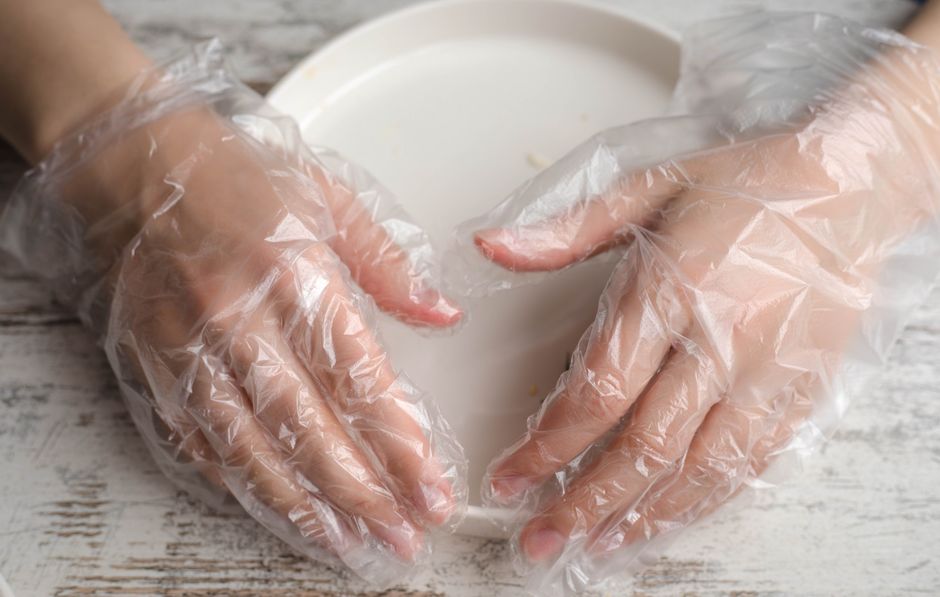
If you microwave leftovers in a plastic container, pour hot coffee into a plastic-lined cup, or leave a water bottle in a hot car, you are using low-density polyethylene, or LDPE. It is one of the most common plastics in daily life. The short answer: LDPE is considered a stable, food-safe plastic under normal conditions, and it does not contain the plasticizers that made some other plastics controversial. But heat changes the picture. When LDPE gets hot enough, it can soften, warp, and shed tiny particles. The question is whether those changes pose a real risk to your health — and the honest answer is that the science is still catching up to the concern.
What Is LDPE and Where Do You Find It?
LDPE is a plastic made from long chains of ethylene molecules. Those chains branch out in many directions, which makes the material flexible, tough, and resistant to moisture. It is also relatively cheap to produce. That combination is why it shows up everywhere.
You will recognize it by the number 4 inside the recycling triangle. Common products include:
- Plastic grocery bags and bread bags
- Squeeze bottles for ketchup and mustard
- Some food storage containers and lids
- Plastic wrap and cling film (though many brands now use other materials)
- Trash bags and dry cleaning bags
- The inner lining of some disposable coffee cups
LDPE is different from PVC (number 3) and polystyrene (number 6), which have raised more health questions. LDPE does not typically contain phthalates or bisphenol A (BPA), two chemicals that have drawn scrutiny for hormone-disrupting effects. That does not make LDPE completely inert, but it starts from a different place than those materials.
Is LDPE Safe for Food and Drink?
Regulatory agencies in the United States and Europe have cleared LDPE for food contact. The U.S. Food and Drug Administration lists certain LDPE formulations as safe for use in food packaging and containers. That approval is based on the material being chemically stable and not leaching harmful amounts of chemicals under intended use conditions.
The key phrase is “intended use conditions.” LDPE is approved for cold or room-temperature storage, and for some reheating applications if the manufacturer labels it microwave-safe. It is not approved for high-heat cooking, and it is not designed for repeated heating cycles. When you push a material beyond its intended use, the safety data no longer covers you.
Some clinicians and researchers have raised questions about whether even approved food-contact plastics release small amounts of additives or breakdown products over time, especially with repeated use and washing. The evidence here is limited. No large human trials have confirmed harm from normal LDPE use, but the absence of confirmed harm is not the same as proof of safety. It means the question remains open.
What Happens When LDPE Gets Hot?
Heat does two things to LDPE. First, it softens the material. LDPE has a melting point around 105 to 115 degrees Celsius (221 to 239 degrees Fahrenheit), depending on the specific grade. That is above the boiling point of water, so brief contact with hot water will not melt it. But it is within reach of hot oils, some microwave hotspots, and direct contact with heating elements.
Second, heat can cause the plastic to release tiny particles. Research published in recent years has shown that plastic containers can shed microplastics and nanoplastics when heated. A 2023 study in the journal Environmental Science & Technology found that microwave heating of plastic food containers released measurable quantities of micro- and nanoplastics into the surrounding liquid. The study did not measure health effects in humans. It measured particle release.
That distinction matters. Showing that particles are released is not the same as showing they cause disease. But it is a necessary first step, and it has prompted more research into what happens when those particles enter the body.





What Are Microplastics and Nanoplastics?
Microplastics are plastic fragments smaller than 5 millimeters — about the size of a sesame seed or smaller. Nanoplastics are far smaller, measured in billionths of a meter. Both can come from the breakdown of larger plastic items, including LDPE.
These particles are now found almost everywhere researchers look: in oceans, soil, drinking water, and human blood. A 2022 study in Environment International reported finding plastic particles in human blood samples. The health implications of that finding are not yet clear. Detection is not the same as diagnosis.
What scientists do know is that nanoplastics are small enough to cross cell membranes in laboratory studies. Whether they do so in the human body at levels that matter, and what happens if they do, is an active area of research. No clinical guidelines currently exist for limiting microplastic exposure because the dose-response relationship in humans has not been established.
Does Heating LDPE Increase Microplastic Release?
Yes, heat increases particle release. That is one of the more consistent findings in the research so far. The hotter the plastic gets and the longer it stays hot, the more particles it tends to shed. Scratching, cracking, and repeated washing also contribute.
This does not mean a single use of a microwave-safe LDPE container will harm you. It means that if you are looking to reduce your exposure to microplastics from food packaging, heat is the variable you can most easily control.
Practical steps that follow from the current evidence:
- Avoid microwaving food in plastic containers unless the container is explicitly labeled microwave-safe.
- Transfer food to glass or ceramic for reheating.
- Do not reuse single-use plastic containers for hot foods or liquids.
- Discard plastic containers that are scratched, cracked, or discolored.
- Avoid leaving plastic water bottles in hot cars or direct sunlight.
These steps are based on reducing particle release, not on proven disease prevention. No study has confirmed that following them will lower your risk of any specific health condition. They are reasonable precautions in the face of uncertainty.
Is LDPE Recyclable and Does That Matter for Safety?
LDPE is technically recyclable, but in practice, very little of it gets recycled. Most curbside programs do not accept plastic bags or film because they jam sorting equipment. Some grocery stores collect them separately.
Recycling status does not directly affect whether LDPE is safe to use. It affects the environmental footprint. Recycled LDPE may contain contaminants from previous use, which is one reason food-contact regulations often restrict recycled plastics unless they go through specific purification processes.
From a health standpoint, the more relevant question is whether the LDPE in your kitchen is in good condition and being used as intended. A worn, scratched container that has been microwaved dozens of times is not the same as a new one used for cold storage.
How Does LDPE Compare to Other Plastics?
Not all plastics carry the same concerns. The table below summarizes the general picture for common food-contact plastics.
| Plastic Type | Recycling Code | Common Uses | Heat Concerns |
|---|---|---|---|
| PET (polyethylene terephthalate) | 1 | Water bottles, soda bottles | Not for hot liquids; can warp and release particles |
| HDPE (high-density polyethylene) | 2 | Milk jugs, some containers | More heat-resistant than PET; not for high heat |
| PVC (polyvinyl chloride) | 3 | Some cling wraps, pipes | Contains phthalates; heat increases leaching concerns |
| LDPE (low-density polyethylene) | 4 | Bags, squeeze bottles, some containers | Softens with heat; releases particles when heated |
| PP (polypropylene) | 5 | Yogurt cups, microwave-safe containers | More heat-tolerant; often labeled microwave-safe |
| PS (polystyrene) | 6 | Foam cups, takeout containers | Can release styrene; not for hot foods or drinks |
LDPE sits in the middle. It is not the most heat-sensitive plastic, but it is not the most heat-stable either. Polypropylene (number 5) generally handles heat better and is more often labeled microwave-safe. If you are choosing a plastic container for reheating, that is a more appropriate choice than LDPE — though glass or ceramic avoids the question entirely.
What Does the Evidence Actually Say About Health Risks?
Here is where honesty matters most. The evidence that microplastics and nanoplastics from LDPE cause human disease is not established. What exists is:
- Laboratory studies showing that plastic particles can interact with cells.
- Animal studies suggesting that high doses of microplastics can cause inflammation or other effects.
- Human biomonitoring studies finding plastic particles in blood and tissues.
- No large human trials linking LDPE-derived particles to specific health outcomes.
That does not mean the concern is unfounded. It means the science is early. Researchers are still figuring out how to measure exposure accurately, what doses are relevant, and whether the particles that enter the body stay there or are cleared. Until those questions are answered, anyone who tells you the risk is proven — in either direction — is going beyond the evidence.
What you can do is reduce unnecessary exposure without upending your life. Use glass or ceramic for hot food. Do not microwave plastic that is not labeled for it. Replace worn containers. Those steps are low-cost and low-risk, and they align with what the current research suggests about particle release.
Frequently Asked Questions
Is LDPE microwave-safe?
Only if the container is specifically labeled microwave-safe by the manufacturer. LDPE softens with heat and can release microplastic particles, so it is not a good choice for reheating food.
Does LDPE contain BPA or phthalates?
LDPE does not typically contain BPA or phthalates. Those chemicals are more commonly associated with polycarbonate (number 7) and PVC (number 3) plastics.
Can microplastics from LDPE harm my health?
No human studies have confirmed that microplastics from LDPE cause disease. Research has shown that heated plastic releases particles, but the health effects of those particles in humans are not yet established.
What is the safest plastic for hot food?
Polypropylene (number 5) is more heat-resistant than LDPE and is often labeled microwave-safe. Glass and ceramic are better options because they do not shed plastic particles.
