
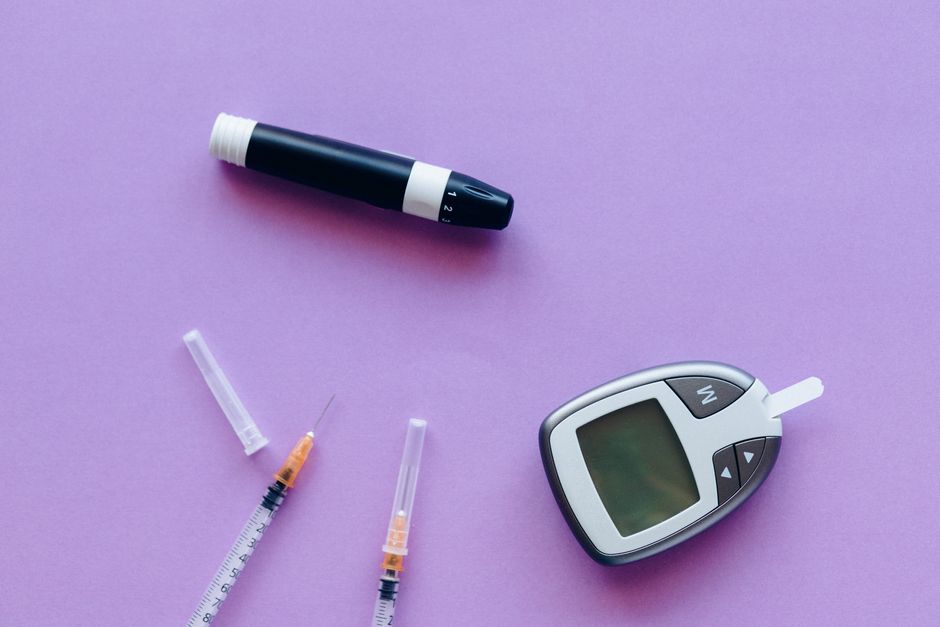
Yes, Lantus is a long-acting insulin. It is designed to release slowly and steadily over about 24 hours. This provides a constant baseline level of insulin in the body, which doctors call basal insulin. It is not the same as fast-acting insulin, which is used at mealtimes to handle the immediate rise in blood sugar from food.
How Does Lantus Work in the Body?
Lantus is the brand name for insulin glargine. It is a man-made version of human insulin, but with a slight chemical change. That change makes it dissolve slowly after you inject it under the skin. Instead of entering the bloodstream all at once, it forms tiny particles that release insulin gradually.
Because of this slow release, Lantus does not have a big peak. Many older long-acting insulins, like NPH, had a noticeable peak a few hours after injection. Lantus was designed to avoid that spike. The goal is a flat, steady level of insulin around the clock.
This steady level mimics what a healthy pancreas does between meals and overnight. It keeps blood sugar stable when you are not eating. It does not cover the sugar from meals. That is the job of rapid-acting insulin taken before eating.
How Long Does Lantus Actually Last?
Lantus is labeled as a 24-hour insulin. Most people take it once a day. The manufacturer states that its effect lasts up to 24 hours.
In practice, the duration can vary from person to person. Some people find that Lantus does not quite last a full 24 hours. They may see their blood sugar rise in the hours before their next dose. This is more common in people who need higher doses or who have faster insulin clearance.
For this reason, some doctors split the Lantus dose into two injections. For example, a person might take half in the morning and half at night. This can provide a more even coverage for some people. It is not the standard approach, but it is a recognized strategy when single daily dosing does not quite last the full day.
Lantus vs. Other Long-Acting Insulins
Lantus is not the only long-acting insulin available. There are several others, and they differ in small but important ways.
| Insulin | Duration | Key Point |
|---|---|---|
| Lantus (insulin glargine) | Up to 24 hours | Once-daily dosing for most people |
| Tresiba (insulin degludec) | Over 42 hours | Lasts longer than Lantus, flexible dosing times |
| Levemir (insulin detemir) | 18-24 hours | Often dosed twice daily |
| Toujeo (insulin glargine U-300) | Over 24 hours | More concentrated version of glargine |
Tresiba is a newer option that lasts significantly longer than 24 hours. Some research suggests it may offer a lower risk of nighttime low blood sugar compared to Lantus. However, Lantus has a longer track record and is widely used.
Toujeo contains the same insulin as Lantus but in a higher concentration. It is given in a smaller volume and may last slightly longer. Some people switch to Toujeo if Lantus does not quite cover a full 24 hours.
Levemir is another option, but it often does not last a full 24 hours in many people. It is commonly taken twice a day. Your doctor will choose based on your blood sugar patterns, lifestyle, and insurance coverage.





When Should You Take Lantus?
Lantus should be taken at the same time every day. Consistency matters more than the specific hour. Whether you choose morning or evening, the key is to keep it steady.
If you usually take it at 9 PM, take it at 9 PM every day. Changing the time by a few hours can cause gaps or overlaps in coverage. This can lead to high blood sugar or unexpected lows.
Some doctors recommend taking Lantus at night. This can help control the dawn phenomenon, which is a natural rise in blood sugar in the early morning hours. Others prefer morning dosing to cover daytime fasting periods. There is no universally correct time. It depends on your glucose patterns.
If you miss a dose, do not double up. Contact your doctor or diabetes care team for guidance. The right response depends on how long it has been and when your next dose is due.
What Are the Risks and Side Effects?
The most serious risk with any insulin is low blood sugar, called hypoglycemia. Because Lantus works for a full day, a mistake in dosing can affect you for many hours. Symptoms of low blood sugar include shakiness, sweating, confusion, and rapid heartbeat. Severe lows can cause seizures or loss of consciousness.
Weight gain is another common side effect of insulin therapy. This happens because insulin helps the body store glucose. When blood sugar is better controlled, the body uses fuel more efficiently, and some people gain weight.
Injection site reactions can occur. Redness, swelling, or itching at the injection site is usually mild and goes away. Rotating injection sites helps prevent these reactions and keeps absorption consistent.
Lantus is not approved to be mixed with other insulins in the same syringe. It should not be given intravenously or into muscle. It is only for subcutaneous injection, meaning under the skin.
Is Lantus the Same as Fast-Acting Insulin?
No. This is a common point of confusion. Lantus is long-acting and covers baseline needs. Fast-acting insulins, like Humalog, Novolog, or Apidra, start working within 15 minutes and peak in about an hour.
Fast-acting insulin is used at mealtimes. It handles the glucose that comes from food. Lantus does not do this. If you take only Lantus and eat a meal, your blood sugar will rise because there is no rapid insulin to cover the food.
People with type 1 diabetes need both. They need basal insulin (like Lantus) for constant coverage and bolus insulin (rapid-acting) for meals. People with type 2 diabetes may only need basal insulin if their body still makes enough insulin to handle meals on its own.
Mixing these up can be dangerous. Taking rapid-acting insulin in place of Lantus would cause a quick drop in blood sugar. Taking Lantus in place of rapid-acting insulin would leave blood sugar high after meals.
Is There Any Evidence That Lantus Causes Cancer?
This question comes up because of a 2009 study that suggested a possible link between Lantus and cancer. The study was published in the journal Diabetologia. It found a slight increase in cancer risk in people taking Lantus compared to other insulins.
Since then, many larger studies have examined this question. The overall evidence does not show a clear or consistent link between Lantus and cancer. Regulatory agencies in Europe and the United States have reviewed the data and have not changed their safety guidance for Lantus.
The theoretical concern was that insulin glargine might activate a growth receptor more strongly than human insulin. However, follow-up studies have not confirmed a meaningful clinical risk. For most people, the benefits of blood sugar control far outweigh any theoretical risk.
Can You Buy Lantus Over the Counter?
No. Lantus is a prescription medication. You cannot buy it over the counter in the United States. You need a prescription from a doctor or other licensed prescriber.
This is for good reason. Insulin dosing requires medical supervision. The wrong dose can be dangerous. A doctor needs to determine the right starting dose, adjust it based on blood sugar patterns, and monitor for complications.
There are also biosimilar versions of insulin glargine available. These are highly similar to Lantus and approved by the FDA. They may be less expensive. Examples include Basaglar and Semglee. These are also prescription-only.
Frequently Asked Questions
Is Lantus a 24-hour insulin?
Yes, Lantus is designed to last up to 24 hours. Some people find it does not quite last that long and may need twice-daily dosing.
Can I take Lantus and fast-acting insulin together?
No, you should not mix them in the same syringe. You can inject them separately if your doctor prescribes both.
What happens if I miss my Lantus dose?
Do not double your next dose. Contact your doctor or diabetes care team for specific instructions based on your situation.
Does Lantus cause weight gain?
Weight gain is a possible side effect of insulin therapy, including Lantus. It happens because better glucose control changes how the body stores energy.
