
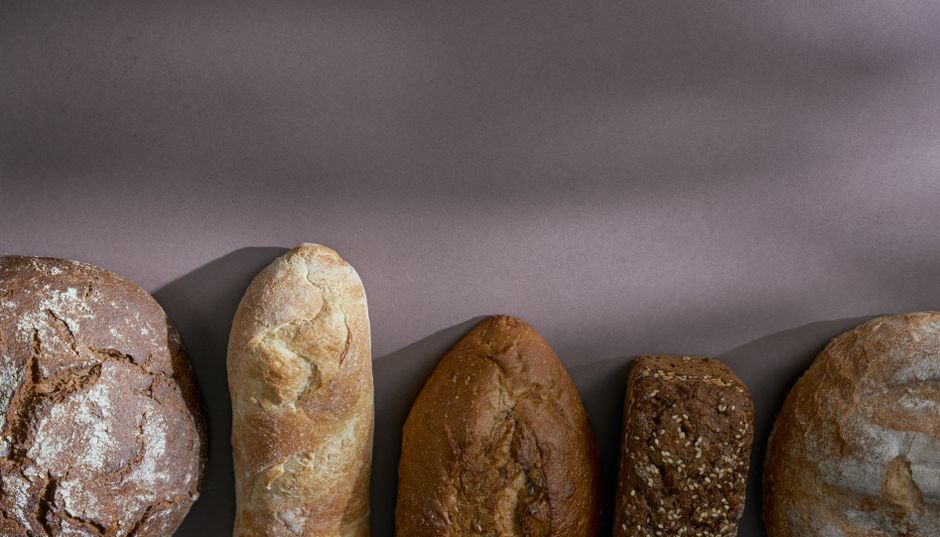
Most bread stays fresh for 3 to 7 days at room temperature, but the exact answer depends on the type of bread and how you store it. Homemade bread without preservatives may only last 2 to 3 days before it goes stale or molds. Commercial bread with preservatives can last 5 to 7 days or even longer in the pantry. Some people keep bread for weeks in the refrigerator, but that often makes it dry out faster. The real trick is knowing which storage method matches your bread type and how long you actually need it to last.
How Long Can Different Types of Bread Last at Room Temperature?
Not all bread ages the same way. The ingredients and how the bread is made determine its shelf life more than anything else.
Store-bought white bread usually lasts 5 to 7 days past the sell-by date when sealed in its original bag. The preservatives in commercial bread, like calcium propionate, slow down mold growth significantly. Whole wheat bread tends to go bad faster because the oils in the wheat germ can turn rancid. Expect 4 to 6 days from a sealed loaf.
Artisan bread from a bakery has no preservatives. A crusty sourdough or French loaf stays good for 2 to 3 days at room temperature. The crust protects the inside, but once you cut into it, moisture loss speeds up. Homemade bread follows the same rule: 2 to 3 days on the counter, maybe 4 if the recipe includes fat like butter or oil, which helps retain moisture.
Gluten-free bread is a special case. It often goes stale or molds faster than wheat bread — sometimes within 1 to 2 days at room temperature. The lack of gluten means the structure holds less moisture. Many gluten-free loaves do better in the freezer than on the counter.
Does Refrigerating Bread Make It Last Longer?
This is where common advice goes wrong. The refrigerator is actually the worst place for most bread.
Bread stales fastest at temperatures between 32°F and 50°F. That is exactly where your refrigerator sits. The cold causes starch molecules in the bread to recrystallize, which pulls water out of the starch and into the air. The bread feels dry and tough even though it is not moldy. This process is called retrogradation.
Some breads do benefit from refrigeration. Bread with perishable fillings — like meat, cheese, or custard — must go in the fridge for food safety. That is not about keeping the bread good. It is about preventing food poisoning. Also, dense, high-fat breads like banana bread or pound cake hold up better in the fridge because the fat slows down the staling process.
For standard sandwich bread, dinner rolls, and baguettes, skip the fridge. Keep them at room temperature or freeze them if you need longer storage.
How Long Can Bread Last in the Freezer?
The freezer is the best option if you want bread to last more than a week. Frozen bread stays good for 3 to 6 months with minimal quality loss.
Freezing stops the staling process almost completely. The key is packaging. Air is the enemy. Wrap the bread tightly in plastic wrap, then add a layer of aluminum foil or a freezer bag. Squeeze out as much air as possible before sealing. For sliced bread, separate the slices with wax paper so you can pull out just what you need without thawing the whole loaf.
Thawing matters too. Let bread come to room temperature in its wrapping. That way, the moisture that condensed during freezing reabsorbs into the bread instead of escaping. Toasted bread from the freezer tastes nearly identical to fresh. Bread used for sandwiches or French toast also works fine straight from frozen.
One note: bread with a very crisp crust, like a fresh baguette, loses some crunch in the freezer. Reheat it in a 350°F oven for 5 to 10 minutes to restore the crust. Microwaving frozen bread makes it rubbery. Avoid that.





How to Tell If Bread Has Gone Bad
Mold is the obvious sign, but bread can go bad in other ways before you see green spots.
Visible mold means the entire loaf is contaminated. Mold roots spread invisibly through the bread even if you only see a few spots. Do not cut off the moldy part and eat the rest. The USDA and food safety experts say to throw away the whole loaf. Some molds produce mycotoxins that can make you sick, and you cannot see where they are.
Off smells are another clear indicator. Bread that smells sour, musty, or like alcohol has gone bad. The alcohol smell comes from yeast fermentation continuing inside the sealed bag. It is not dangerous in small amounts, but the flavor will be unpleasant.
Texture changes are not always a sign of spoilage. Stale bread is dry and hard but still safe to eat. You can revive stale bread by running it under water and heating it in the oven for a few minutes. Croutons, breadcrumbs, and French toast are also good uses for bread that is too stale to eat plain.
Freezer burn looks like dry, grayish patches on frozen bread. It is safe to eat but tastes bland and dry. Cut off the freezer-burned parts before eating.
What Is the Best Way to Store Bread to Make It Last?
Storage method determines shelf life more than almost anything else. Here is what works best based on the evidence:
- Room temperature in a bread box: Best for crusty artisan bread. The box traps some moisture while letting air circulate, keeping the crust crisp and the inside soft. Lasts 2 to 4 days.
- Room temperature in a sealed plastic bag: Best for soft sandwich bread. The plastic traps moisture, keeping the crumb soft. The crust will soften too, which is fine for sandwich bread. Lasts 5 to 7 days.
- Room temperature in a paper bag: Best for bread you plan to eat within 1 to 2 days. Paper lets moisture escape, so the crust stays crisp but the inside dries out faster. Good for baguettes and rolls.
- Freezer in airtight wrap: Best for long-term storage. Lasts 3 to 6 months with good quality.
- Refrigerator: Only for bread with perishable fillings or very high-fat loaves. Avoid for standard bread.
One detail people miss: do not store bread near heat sources. The top of the refrigerator, next to the stove, or near a window that gets sun will speed up moisture loss and mold growth. Keep bread in a cool, dark spot in your kitchen.
How Long Can Bread Last Compared to Other Baked Goods?
Different baked goods have different shelf lives because of their ingredients and moisture content. Here is a quick comparison:
| Type | Room Temperature | Refrigerator | Freezer |
|---|---|---|---|
| Sandwich bread (store-bought) | 5–7 days | 7–10 days (but dry) | 3–6 months |
| Artisan bread (no preservatives) | 2–3 days | 3–5 days (but very dry) | 3–6 months |
| Bagels | 3–5 days | 5–7 days | 3–6 months |
| Muffins | 2–3 days | 5–7 days | 3 months |
| Croissants | 1–2 days | 3–5 days | 2–3 months |
| Cornbread | 1–2 days | 5–7 days | 3 months |
Notice the pattern. Items with more fat or sugar — like muffins and cornbread — tend to stay moist longer at room temperature. Items with less fat and more water — like artisan bread — go stale fastest. The freezer is the only place where all of them hold up well for extended periods.
Common Misconceptions About Bread Storage
A few myths keep circulating, and they cause people to throw away perfectly good bread or eat bread that should have been tossed.
Myth: Bread stays fresh longer in the fridge. As discussed, the fridge accelerates staling for most breads. Only use it for bread with fillings that can spoil.
Myth: You can just cut off mold and eat the rest. This is not safe. Mold roots spread through soft foods like bread. The visible spot is just the tip. The USDA states that moldy soft foods should be discarded completely. Hard cheeses and firm vegetables can be salvaged by cutting off the moldy area with a one-inch margin, but bread is too porous.
Myth: Adding a slice of apple or celery to the bag keeps bread fresh. This is widely claimed, but strong evidence is limited. The idea is that the moisture from the fruit will soften the bread. In practice, it often makes the bread soggy and can introduce mold spores from the fruit skin. A sealed bag or bread box works better without introducing extra moisture.
Myth: Freezing bread ruins the texture. Properly frozen and thawed bread is nearly indistinguishable from fresh. The key is airtight packaging and slow thawing at room temperature. Freezer burn only happens when air gets to the surface.
Frequently Asked Questions
How long does bread last in the pantry?
Store-bought bread lasts 5 to 7 days in the pantry. Homemade or artisan bread lasts 2 to 3 days.
Can you eat bread past the expiration date?
Yes, if there is no mold, off smell, or visible spoilage. The expiration date is about peak quality, not safety.
Does bread go bad faster in summer?
Yes, heat and humidity speed up mold growth. Store bread in a cooler part of the kitchen during warm months.
Is it safe to eat bread with freezer burn?
Yes, it is safe but the texture and taste will be dry and bland. Cut off the affected parts before using.
