

The ketogenic diet is very low in carbohydrates and very high in fat. For people with high cholesterol, this raises an important question about whether the diet is safe or harmful. The short answer is that keto is not automatically bad for high cholesterol, but it can raise LDL cholesterol levels in some people, and the effect varies widely from person to person. Understanding how the diet changes your lipid profile is the key to deciding if it is right for you.
How Does the Keto Diet Affect Cholesterol Levels?
The keto diet forces your body to burn fat for fuel instead of carbohydrates. This process, called ketosis, changes how your body processes fats and cholesterol. Because you are eating much more fat than a standard diet, your liver produces more cholesterol to help digest and transport those fats.
Research consistently shows that keto diets raise both HDL (good) cholesterol and LDL (bad) cholesterol in many people. The rise in LDL is the main concern for heart health. Triglycerides usually drop significantly on keto, which is generally a positive change.
The real issue is not the total cholesterol number. It is the breakdown of your LDL particles. Some people experience a large increase in LDL on keto. Others see only a modest rise or no change at all.
What Is the Difference Between LDL Patterns on Keto?
Not all LDL cholesterol is created equal. LDL particles come in different sizes. Small, dense LDL particles are more strongly linked to heart disease than large, fluffy ones. Large LDL particles are considered less harmful because they are less likely to get stuck in artery walls.
Some studies suggest that keto diets shift LDL toward the larger, less dangerous pattern. This means a person could have a higher LDL number but not necessarily a higher risk of heart disease. However, this is not true for everyone, and the science here is still developing.
If you have high cholesterol and are considering keto, you should ask your doctor for a more detailed lipid test. A standard lipid panel only shows total cholesterol, LDL, HDL, and triglycerides. An advanced test that measures particle size and number gives a clearer picture of your actual risk.
Who Is Most at Risk for Cholesterol Spikes on Keto?
Some people are genetically predisposed to larger LDL increases when they eat a high-fat diet. If you have a family history of high cholesterol or heart disease, you should be especially cautious. Your genetic background influences how your liver responds to dietary fat.
People who already have elevated LDL before starting keto are more likely to see it climb higher. If your LDL is already above the normal range, switching to a diet that is 70 to 80 percent fat may not be the safest choice without close monitoring.
Age and sex also play a role. Postmenopausal women and older adults may experience more dramatic lipid changes on keto, although the research on this specific point is limited. The evidence is mixed on exactly who will see the biggest spikes, so individual testing is essential.

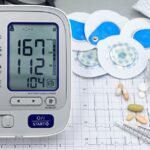



Is Keto Bad For High Cholesterol What To Know Before You Start
Keto is not universally bad for high cholesterol, but it is also not universally safe. The answer depends on your current lipid levels, your genetics, and how your body responds to the diet over the first few months. You cannot predict your response without testing.
If you decide to try keto with high cholesterol, you need a baseline blood test before you start. Then you need follow-up tests at the three-month mark and again at six months. This gives you real data about how your body is responding rather than relying on guesswork.
The type of fats you eat on keto also matters. A diet high in saturated fats from butter, fatty meats, and processed oils is more likely to raise LDL. A keto diet that emphasizes unsaturated fats from olive oil, avocados, nuts, and fatty fish may have a more neutral effect on cholesterol. Some research suggests that the quality of fat matters more than the total amount.
Can You Lower LDL While Staying in Ketosis?
It is possible to reduce the LDL-raising effect of keto by changing which fats you eat. Replacing saturated fats with monounsaturated and polyunsaturated fats can help keep LDL from climbing as high. This means choosing olive oil over butter and almonds over cheese more often.
Fiber is another important factor. Many people on keto eat very little fiber because most high-fiber foods are also high in carbohydrates. Soluble fiber binds to cholesterol in the digestive tract and helps remove it from the body. Low-carb vegetables, chia seeds, and flaxseeds can add fiber without breaking ketosis.
Weight loss itself often improves cholesterol markers. If you are overweight and lose weight on keto, your triglycerides will likely drop and your HDL may rise. This can offset some of the LDL increase. The net effect on your overall cardiovascular risk depends on how these changes balance out.
What Do the Studies Actually Show?
Clinical trials comparing keto to low-fat diets consistently show that keto produces greater weight loss in the short term. When it comes to cholesterol, the results are more complicated. Some trials show significant LDL increases on keto while others show minimal change.
A major issue with the research is that most studies are short-term, lasting only six to twelve months. No large long-term trials have followed people on keto for many years to measure actual heart attacks or strokes. This means we do not have definitive evidence about the long-term cardiovascular effects of the diet.
Some research suggests that the rise in LDL on keto may be temporary for some people, leveling off after the initial weight loss phase. The evidence for this is not strong enough to rely on it. You should assume your LDL will stay elevated unless testing shows otherwise.
When Should You Avoid Keto Entirely?
If you have a condition called familial hypercholesterolemia, keto is likely a bad idea. This genetic condition causes very high LDL levels regardless of diet. Adding a high-fat diet on top of this condition could push your LDL to dangerous levels. No clinical guidelines recommend keto for people with this condition.
People with a history of heart attacks, strokes, or arterial blockages should also approach keto with caution. If you are already at high cardiovascular risk, intentionally raising your LDL is not worth the potential benefit. Your doctor may advise against keto even if your initial blood tests look acceptable.
If you take cholesterol-lowering medications like statins, you should not stop them to try keto without talking to your doctor. Combining statins with keto is possible, but it requires careful monitoring. Some people find their medication needs adjustment once they lose weight on keto.
What Are the Alternatives to Keto for Lowering Cholesterol?
A Mediterranean-style diet has the strongest evidence for improving cholesterol and reducing heart disease risk. This diet emphasizes vegetables, fruits, whole grains, legumes, nuts, and olive oil with moderate amounts of fish and poultry. It is not as restrictive as keto and is easier to maintain long-term.
The DASH diet, originally designed to lower blood pressure, also improves cholesterol levels. It focuses on reducing sodium and increasing potassium, calcium, and magnesium from whole foods. Both of these diets have decades of research supporting their cardiovascular benefits.
If your goal is weight loss and cholesterol improvement, a moderate low-carb diet may offer a middle ground. Reducing refined carbohydrates and added sugars while keeping some whole grains and fruits can improve triglycerides and LDL without the extreme fat intake of keto. This approach is easier to sustain and has better long-term evidence.
How to Monitor Your Cholesterol on Keto
If you and your doctor decide keto is worth trying, set a clear monitoring schedule. Get a full lipid panel before you start. Then repeat the test every three months for the first year. This catches problems early before they become serious.
Do not rely on home cholesterol testing kits for this purpose. They are not accurate enough to guide medical decisions. You need a venous blood draw analyzed by a certified laboratory to get reliable numbers.
Track your results over time rather than looking at a single reading. One elevated LDL test is not a reason to panic. A pattern of rising LDL across multiple tests is a stronger signal that keto may not be working for your body.
What Should You Ask Your Doctor Before Starting Keto?
Ask your doctor to review your complete lipid profile including triglycerides and HDL, not just total cholesterol. Ask whether you should have an advanced lipid test that measures LDL particle size. Ask how often you should repeat blood work if you stay on the diet.
Be honest with your doctor about why you want to try keto. If your goal is weight loss, discuss whether other approaches might achieve the same result with less cardiovascular risk. If your goal is blood sugar control, ask about the evidence for keto compared to other dietary approaches.
Your doctor can also check for other risk factors that matter more than cholesterol alone. Blood pressure, smoking history, diabetes status, and family history all contribute to your overall heart disease risk. Cholesterol is only one piece of that picture.
Frequently Asked Questions
Can keto cause high cholesterol in people with normal levels?
Yes, keto can raise LDL cholesterol even in people who started with normal levels. The increase varies widely between individuals and depends on genetics and the types of fat consumed.
How long does it take for cholesterol to change on keto?
Cholesterol changes are usually visible within three months of starting the diet. Most doctors recommend a follow-up blood test at the three-month mark to assess the effect.
Should I stop keto if my LDL cholesterol goes up?
Not necessarily, but you should discuss the results with your doctor. The decision depends on how much your LDL rose, your overall heart disease risk, and whether you can adjust your fat sources to lower it.
Does keto raise cholesterol permanently?
No evidence suggests the effect is permanent. Cholesterol levels typically return toward baseline when you stop the diet and resume a standard eating pattern.
