
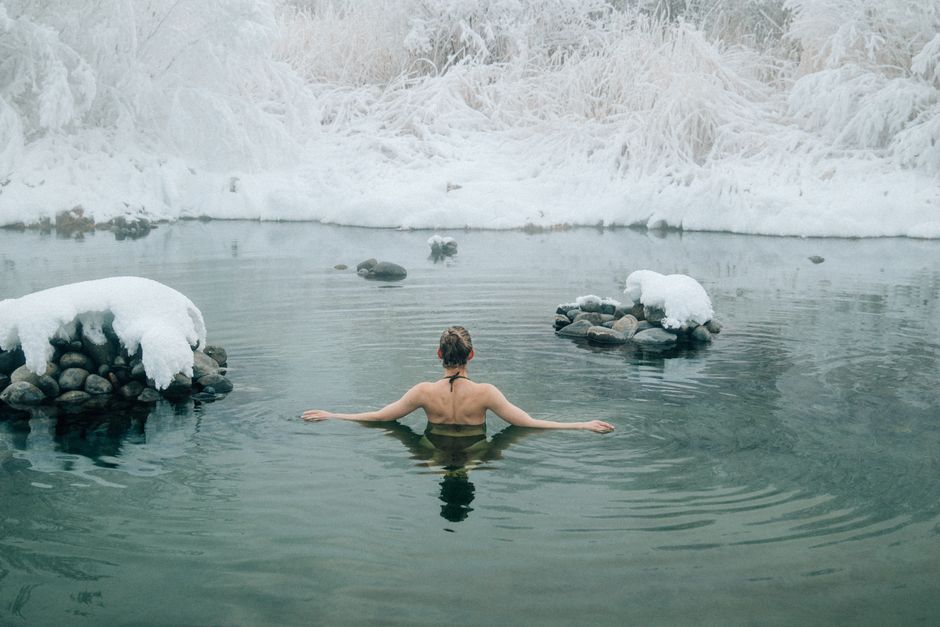
Soaking in a natural hot spring feels like one of the most peaceful things you can do. The warm water, the mountain air, the steam rising around you. But before you slip in, it is fair to ask a direct question: is it safe to swim in hot springs? The short answer is that it can be safe, but it depends entirely on the specific spring, the water temperature, and your own health. Natural hot springs are not chlorinated pools, and they contain living microorganisms that can sometimes cause illness. You need to check the conditions of each spring before you enter, and you need to know the warning signs that mean you should stay out of the water.
What Exactly Is A Hot Spring?
A hot spring is groundwater heated by geothermal activity deep in the Earth. The water rises to the surface carrying dissolved minerals like sulfur, calcium, and magnesium. The temperature can range from pleasantly warm to dangerously boiling. Some springs are managed and tested regularly. Others are completely wild and unmonitored. That distinction matters more than almost anything else when you are deciding whether to get in.
Managed hot springs, often found at commercial bathhouses or resorts, typically have systems in place to test the water and control temperatures. Wild springs have no oversight. You are relying entirely on posted signs, local knowledge, and your own judgment.
What Are The Main Risks Of Swimming In Hot Springs?
There are three primary risks to consider. The first is heat injury. The second is infection from waterborne organisms. The third is the physical environment around the spring itself.
Heat injury happens when the water is too hot for your body to regulate its core temperature. Most commercial hot springs keep water between 98°F and 104°F (37°C to 40°C). Water above 104°F can cause dizziness, nausea, weakness, and in severe cases, heat stroke. Water above 120°F can cause burns within minutes. Wild springs often exceed these temperatures, and the safe swimming area may be much smaller than the visible pool of water.
Infections are the second major concern. Warm water is an ideal environment for certain bacteria and amoebas. The most famous is Naegleria fowleri, a brain-eating amoeba found in warm freshwater. It is extremely rare, but it is almost always fatal when it enters the body through the nose. Other organisms can cause skin rashes, ear infections, or gastrointestinal illness if you swallow the water.
The environment around the spring is the third risk. Slippery rocks, sudden drop-offs, and scalding water mixing with cooler water can all cause injury. Never assume the entire pool is the same temperature. Hot water can surge from a vent in one corner while the rest of the pool is comfortable.
Is It Safe To Swim In Hot Springs If The Water Is Clear?
Clear water does not mean sterile water. Many people assume that if the water looks clean, it is safe. That is not true. The organisms that cause illness in hot springs are microscopic. You cannot see them with the naked eye.
Some springs are acidic enough to kill most bacteria. Others are neutral or alkaline, which allows more organisms to survive. The mineral content also varies. Sulfur-rich water has a strong rotten egg smell and is often assumed to be antibacterial. While sulfur does have some antimicrobial properties, it does not make the water safe from all pathogens. Do not use smell or clarity as your safety test. Use posted warnings and current testing information.
If you are at a commercial hot spring, ask the staff when the water was last tested and what the results showed. If you are at a wild spring, understand that no one has tested it recently, and you are accepting that risk by entering.





Who Should Avoid Hot Springs Entirely?
Certain groups face higher risks and should generally avoid natural hot springs. Pregnant women should avoid them because elevated body temperature in early pregnancy has been linked to birth defects. The exact safe threshold is not firmly established, but most clinicians advise pregnant women to avoid water above 100°F (38°C). No clinical guidelines currently exist specifically for hot spring use during pregnancy, so the conservative approach is to skip it.
People with heart conditions, high blood pressure, or a history of stroke should also avoid hot springs. The heat causes blood vessels to dilate, which drops blood pressure and makes the heart work harder. This can trigger symptoms in people with existing cardiovascular disease. People with diabetes who have nerve damage may not feel how hot the water is, which puts them at risk for burns.
Children are more sensitive to heat than adults. Their bodies cannot cool down as efficiently, and they are more likely to swallow water accidentally. Keep children out of water above 100°F and never let them put their heads underwater in any natural hot spring. Submerging the head increases the risk of water entering the nose, which is the route of entry for Naegleria fowleri.
People with open wounds, cuts, or skin infections should stay out. The warm water can introduce bacteria into broken skin and cause a more serious infection. If you have a compromised immune system from any cause, the risk of infection is higher, and you should avoid natural springs entirely.
How Hot Is Too Hot For Swimming?
The general guideline for safe soaking is water at or below 104°F (40°C). Many commercial facilities keep their pools between 100°F and 104°F. At this temperature, a healthy adult can typically soak for 10 to 15 minutes before needing to cool down. Longer exposure can cause overheating even at these temperatures because your body continues to absorb heat.
Water above 104°F is considered unsafe for soaking. At 106°F to 110°F, the risk of heat stroke rises sharply. Water at 120°F can cause third-degree burns in about two minutes. Some natural springs are far hotter than this at the source, and the safe area is only where the water has cooled after mixing with air or cooler water.
Pay attention to your body. If you feel lightheaded, nauseous, or your heart starts racing, get out immediately and cool down. These are early signs of heat stress. Do not push through them. Sit in the shade, drink cool water, and wait until your body temperature returns to normal before deciding whether to re-enter.
What About The Amoeba Risk In Hot Springs?
The Naegleria fowleri amoeba receives a lot of attention, and it deserves some. It lives in warm freshwater, including hot springs, and it causes a rare but devastating infection called primary amebic meningoencephalitis (PAM). The infection occurs when water containing the amoeba goes up the nose. It does not infect you if you swallow it.
The infection is almost always fatal. Between 1962 and 2022, fewer than 200 cases were reported in the United States. That makes it extremely rare. But because the fatality rate is so high, it is worth taking simple precautions. Do not put your head underwater. Do not let water go up your nose. Use nose clips if you plan to submerge your face. Do not stir up sediment at the bottom of a spring, because the amoeba lives in the sediment and stirring it releases it into the water.
These precautions are easy and they eliminate the primary route of infection. The risk is not zero, but it is dramatically reduced by keeping water out of your nasal passages.
What Should You Do Before Getting Into A Wild Spring?
If you decide to enter a wild hot spring, take these steps first. Look for posted warning signs and follow them. Check the water temperature with your hand before you commit your whole body. If it feels painfully hot on your fingers, it is too hot to soak in. Look for any signs of animal activity or waste near the water. Check the bottom of the pool where you plan to sit for sharp rocks, deep mud, or sudden drop-offs.
Ask locals or park rangers about the specific spring. They will know if the water has tested positive for dangerous organisms or if there have been recent incidents. Do not rely on online reviews. Conditions change with rainfall, temperature, and season.
Limit your soak to 15 minutes at a time. Get out, cool off, and drink water before going back in. Never soak alone. If you become disoriented from heat, you need someone there to help you get out of the water.
Are There Health Benefits To Hot Springs?
Hot springs have been used for centuries for relaxation and pain relief. The warm water can soothe sore muscles, reduce joint stiffness, and promote relaxation. Some research suggests that mineral baths may help with certain skin conditions like psoriasis, though the evidence is limited and results vary. The heat can also temporarily reduce pain perception.
These benefits are real but modest. They are not a medical treatment. No large human trials have confirmed that hot spring water cures any disease. The relaxation and stress reduction from soaking in a natural setting may be the most significant benefit. Enjoy that benefit, but do not expect the water to heal conditions that require medical care.
Frequently Asked Questions
Can you get sick from swimming in a hot spring?
Yes, you can. Hot springs contain naturally occurring bacteria and amoebas that can cause skin infections, gastrointestinal illness, or rarely, a fatal brain infection if water goes up the nose.
What temperature is safe for hot springs?
Water at or below 104°F (40°C) is generally considered safe for healthy adults to soak in for short periods. Water above 104°F increases the risk of heat stroke and burns.
Is it safe to put your head underwater in a hot spring?
No. Submerging your head increases the risk of water entering your nose, which is how the Naegleria fowleri amoeba enters the body. Keep your head above water or use a nose clip.
Are commercial hot springs safer than wild ones?
Generally yes. Commercial springs are tested and managed for temperature and water quality. Wild springs have no oversight, and you accept the risks of unknown water conditions by entering.
