
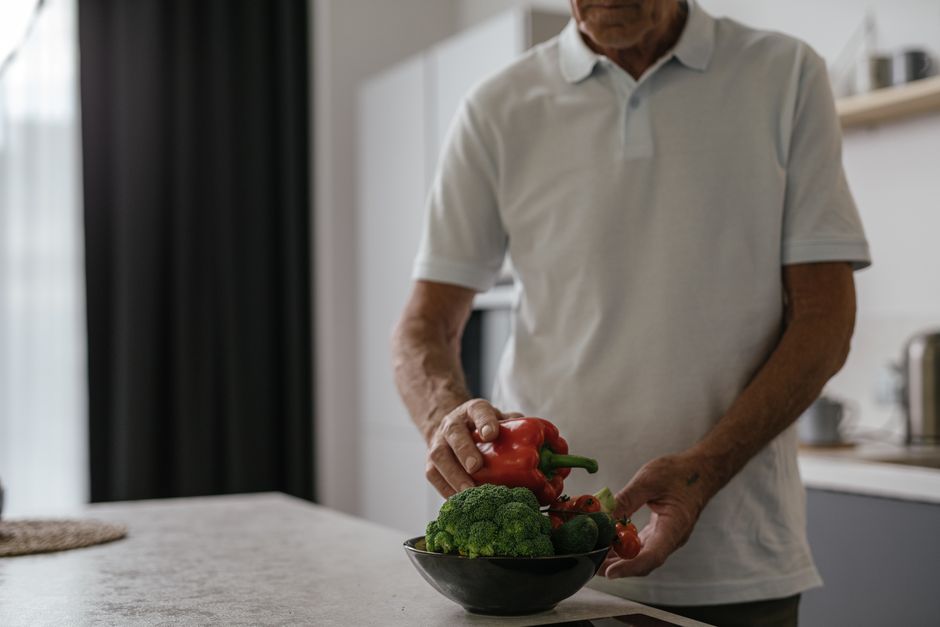
Black pepper does not stop bleeding. There is no clinical evidence that eating it, packing it into a wound, or applying it as a paste helps blood clot. In fact, putting pepper into an open cut can irritate tissue, introduce bacteria, and make a wound harder to clean. For a minor cut, the reliable approach is direct pressure with a clean cloth, not a kitchen spice.
Black pepper is one of the most common spices in the world. It shows up in folk remedies for everything from congestion to digestive complaints. Bleeding wounds are one of those traditional uses, and it is worth explaining why that idea persists, what pepper actually does in the body, and what genuinely works when someone is bleeding.
Does Black Pepper Stop Bleeding?
No. Black pepper has no known mechanism that promotes clotting, and no human studies show it stops bleeding.
Clotting is a specific biological process. When a blood vessel breaks, platelets stick together at the injury site, then a cascade of clotting proteins builds a fibrin mesh that seals the wound. Stopping bleeding depends on that system working, plus physical pressure that slows the flow long enough for the clot to form. Pepper does neither.
Piperine, the compound that gives black pepper its bite, has been studied for various effects in laboratory and animal research. Bleeding control is not one of the established findings. Some cell and animal studies have looked at piperine’s effects on platelets, and the results do not support using pepper as a bleeding remedy. Even if a laboratory signal existed, that would not mean sprinkling pepper on a cut would help a person. Biological plausibility is not the same as demonstrated clinical benefit.
The traditional use likely comes from simple observation. Minor cuts stop bleeding on their own within minutes because of normal clotting. If someone applies pepper and the bleeding stops, the pepper gets the credit. The clotting system did the work.
Is It Safe to Put Black Pepper on a Wound?
It is not recommended, and it can cause harm.
Pepper is a foreign material. When it enters an open wound, the body treats it as debris and mounts an inflammatory response. That means more pain, more redness, and more swelling than the injury alone would cause. Pepper particles are also difficult to remove completely from broken skin, which can leave material trapped in the tissue.
There is a second concern. Ground pepper is not sterile. It can carry bacteria and other contaminants. Introducing those into a wound raises the risk of infection, which is exactly what you are trying to avoid after a cut.
Pepper in the eye is a separate and more urgent problem. It causes significant pain, tearing, and irritation. If pepper gets in the eye, rinse with clean water or saline and seek medical attention if pain or vision changes persist.
Inhaling large amounts of pepper dust is another hazard. It triggers coughing, sneezing, and airway irritation. For most people this passes, but it can be dangerous for anyone with asthma or other lung conditions.
Why Do People Believe Pepper Stops Bleeding?
The belief comes from a mix of folk tradition and a misunderstanding of how minor bleeding resolves.
Home remedies spread easily when the condition they claim to treat is self-limiting. A small cut stops bleeding on its own. A nosebleed usually stops within a few minutes with simple pressure. Any substance applied during that window appears to work.
There is also a long history of using powders and plant materials on wounds. Before modern wound care, people used whatever was on hand. Some of those traditions carried real risk, and some did nothing at all. The fact that a remedy is old does not make it effective.
Social media has given these ideas new life. A claim that a common spice can replace a first aid step spreads faster than a correction. When you see a remedy described as natural or traditional, that is a description of its origin, not evidence that it works.



What Actually Stops Bleeding?
Direct pressure is the single most effective first step for most external bleeding.
Pressing firmly on the wound with a clean cloth, gauze, or even a clean hand slows blood flow and gives the clotting system time to work. Hold steady pressure rather than lifting the cloth repeatedly to check. Disturbing the forming clot can restart the bleeding.
For minor cuts and scrapes, the standard steps are straightforward:
- Apply firm, continuous pressure with a clean cloth or gauze.
- Once bleeding slows, rinse the wound gently with clean running water.
- Wash the skin around the wound with mild soap, keeping soap out of the wound itself.
- Cover with a sterile bandage or gauze.
- Change the dressing daily or whenever it gets wet or dirty.
For a nosebleed, sit upright, lean slightly forward, and pinch the soft part of the nose closed for several minutes without releasing. Leaning forward keeps blood from running down the throat.
Some bleeding needs emergency care. Call for help or go to an emergency department if bleeding is spurting, does not slow after sustained pressure, or comes from a deep or large wound. A wound that will not stop bleeding, that is gaping open, or that involves a body part where function is affected needs professional evaluation. Signs of infection in the days after an injury include increasing pain, spreading redness, warmth, swelling, pus, or fever.
When Should You Seek Medical Help for Bleeding?
Uncontrolled bleeding is a medical emergency. Severe blood loss can become life-threatening within minutes.
Seek emergency care right away if:
- Blood is spurting or pumping from the wound.
- Bleeding does not slow after several minutes of firm, continuous pressure.
- The wound is deep, gaping, or exposes muscle, bone, or fat.
- Bleeding follows a serious injury such as a car crash or a fall from height.
- The person is pale, dizzy, confused, or losing consciousness.
You should also get medical attention if bleeding starts easily or will not stop and you take a blood thinner, have a known bleeding disorder, or have liver disease. These conditions affect clotting, and a wound that would be minor for someone else may need treatment.
Nosebleeds that last longer than expected, happen repeatedly, or follow a head injury also warrant a medical visit.
Does Black Pepper Have Any Real Health Benefits?
Black pepper is a fine seasoning, and piperine has been studied for several effects. The evidence for most of these uses is early or mixed, not settled.
One well-established role is absorption. Piperine can increase the bioavailability of certain compounds, meaning it helps the body take up more of a substance. This is why it sometimes appears in supplement formulations. That property is a drug interaction concern as much as a benefit, because it can also increase the uptake of some medications and change their effects.
Claims that pepper boosts digestion, fights infection, or supports weight loss are not supported by strong human trials. That does not mean pepper is bad for you. It means the marketing has run ahead of the evidence.
As a seasoning, black pepper is safe for most people in normal food amounts. Large concentrated doses, such as piperine supplements, are a different matter and can interact with medications. If you take prescription drugs, check with a pharmacist before adding a piperine supplement.
The Bottom Line on Pepper and Bleeding
Black pepper does not stop bleeding, and putting it on a wound can cause irritation and infection. The idea survives because minor bleeding stops on its own and the remedy gets the credit.
What works is unglamorous and reliable. Firm, steady pressure. Clean water. A sterile dressing. Knowing when a wound needs a doctor. Those steps are backed by how the body actually clots and by decades of clinical practice.
Keep the pepper on your food. Keep pressure on your cuts.
Frequently Asked Questions
Does black pepper stop bleeding?
No. There is no clinical evidence that black pepper promotes clotting or stops bleeding, and it is not a recognized first aid treatment.
Can I put black pepper on a cut?
You should not. Pepper is a non-sterile foreign material that can irritate the wound, cause inflammation, and raise the risk of infection.
What is the fastest way to stop a cut from bleeding?
Apply firm, continuous pressure with a clean cloth or gauze and hold it without lifting to check. This slows blood flow and allows the body’s clotting system to seal the wound.
When should bleeding be treated as an emergency?
Seek emergency care if blood is spurting, if bleeding does not slow after several minutes of firm pressure, or if the wound is deep or gaping. Dizziness, confusion, or fainting after blood loss also requires immediate help.
