
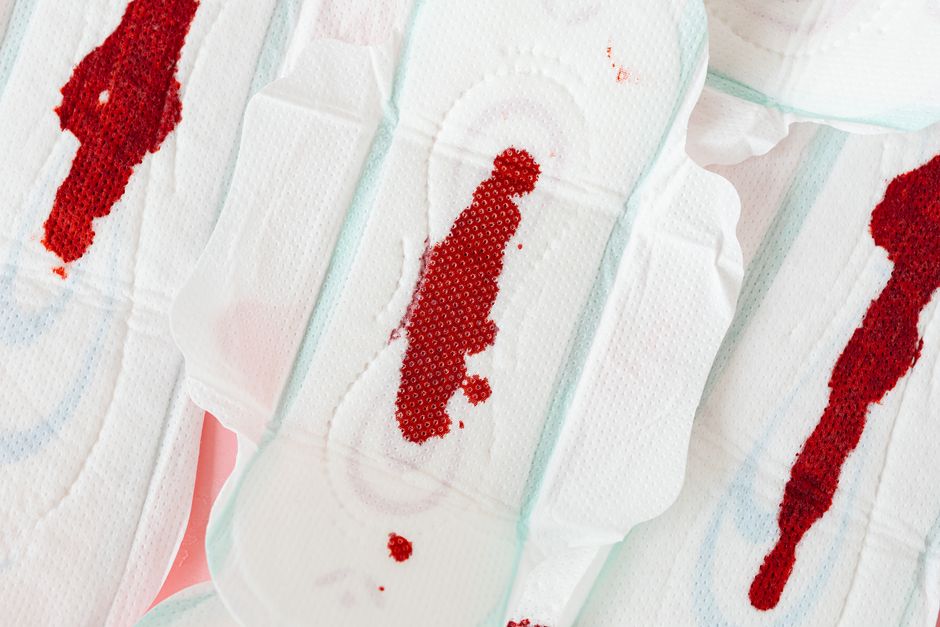
Bleeding during pregnancy is common, and in many cases it does not mean something is wrong. But it is never a symptom to ignore. Bleeding can be harmless, or it can be the first sign of a problem that needs care right away.
Roughly one in four pregnant women has some bleeding in early pregnancy. Most of them go on to have healthy babies. The bleeding itself does not tell you which group you are in. Where you are in the pregnancy, how heavy the bleeding is, and what other symptoms you have all matter.
Is It Normal To Bleed While Pregnant?
It depends on when the bleeding happens and what else is going on. Some bleeding is expected and harmless. Some bleeding is a warning sign.
In the first trimester, light spotting is common. It often comes from the developing placenta attaching to the lining of the uterus. This is called implantation bleeding. It usually happens around the time a period would have been due. It tends to be light and short-lived.
Bleeding later in pregnancy is not expected. Any bleeding in the second or third trimester should be checked by a doctor or midwife. It can have serious causes, and it needs to be looked at even if it stops on its own.
Here is the part many people miss. The amount of blood is not always a reliable guide to how serious the cause is. Some concerning problems cause only light spotting at first. Some harmless ones cause a fair amount. That is why the timing and the other symptoms matter as much as the volume.
What Causes Bleeding in Early Pregnancy?
Early pregnancy bleeding has several possible causes. Some are normal. Some mean the pregnancy is not developing as it should.
Common causes in the first trimester include:
- Implantation bleeding. Light spotting when the fertilized egg attaches to the uterine lining. It is not a problem.
- Miscarriage. Bleeding is often the first sign. It may come with cramping. Not all bleeding in early pregnancy means a miscarriage is happening.
- Ectopic pregnancy. The fertilized egg implants outside the uterus, most often in a fallopian tube. This is a medical emergency. It can cause bleeding, pain, and dangerous internal blood loss.
- Infection. A cervical or vaginal infection can cause irritation and light bleeding.
- Changes to the cervix. The cervix has more blood flow during pregnancy. It can bleed easily after sex or a pelvic exam.
Ectopic pregnancy is the cause that worries doctors most. It cannot continue safely. If it ruptures, it can be life-threatening. Pain, especially on one side, along with bleeding or dizziness, needs emergency care.
What Causes Bleeding in Later Pregnancy?
Bleeding in the second or third trimester is not normal. It always needs to be checked. The possible causes are different from early pregnancy and can be serious.
One cause is placenta previa. The placenta sits low in the uterus and covers or sits near the cervix. It can bleed, often painlessly. This is usually found on ultrasound and managed with close monitoring.
Another is placental abruption. The placenta pulls away from the uterine wall before birth. This can cause bleeding and pain. It is a medical emergency for both the mother and the baby.
Other causes include preterm labor, which can come with bleeding, and a cervical problem such as a short cervix or, in rare cases, cervical changes that need urgent attention.
Any bleeding in later pregnancy means contacting your doctor or midwife right away. Do not wait to see if it stops on its own.





When Should You Call Your Doctor Right Away?
Call your doctor or midwife immediately, or go to the emergency room, if you have any of the following:
- Heavy bleeding, or bleeding that fills a pad
- Bleeding with pain, especially severe or one-sided pain
- Bleeding with cramping that does not go away
- Bleeding with dizziness, fainting, or a racing heart
- Bleeding with a fever or chills
- Any bleeding in the second or third trimester
- Passing tissue or clots
Light spotting with no other symptoms in early pregnancy is less urgent. But it is still worth a call. Your doctor can tell you whether you need to be seen.
Trust your instincts here. If something feels wrong, get it checked. You will not be wasting anyone’s time.
How Is Bleeding During Pregnancy Evaluated?
When you report bleeding, your doctor will work to find the cause. The tests depend on how far along you are.
In early pregnancy, the main tools are:
- Blood tests. These check the pregnancy hormone hCG. The level and how it changes over time can give clues about how the pregnancy is developing.
- Ultrasound. This can show whether the pregnancy is in the uterus, whether a heartbeat is present, and how far along you are.
- Pelvic exam. This can find a source of bleeding in the cervix or vagina.
In later pregnancy, ultrasound is used to check the placenta’s position and the baby’s health. Monitoring may be used to check on the baby.
Sometimes the cause is never found. That is common. If the pregnancy is developing normally and the bleeding stops, many doctors simply watch and wait.
Does Bleeding Mean You Are Having a Miscarriage?
No. Bleeding in early pregnancy does not automatically mean a miscarriage. Many women who bleed go on to have healthy pregnancies.
That said, miscarriage is one possible cause, and it is more common in the first trimester than many people realize. Miscarriage happens in a meaningful share of pregnancies, and bleeding is often the first sign.
The only way to know is to be evaluated. An ultrasound can show whether the pregnancy is developing. A heartbeat and normal growth are reassuring. If the pregnancy has stopped developing, the doctor can explain the options.
If you are bleeding and worried, being seen is the right move. Waiting and guessing adds stress without giving you answers.
What About Spotting After Sex or a Pelvic Exam?
Light spotting after sex or a pelvic exam is common and usually harmless. The cervix has more blood flow during pregnancy, so it bleeds more easily.
This kind of spotting is usually brief and light. It does not mean the pregnancy is at risk. Still, mention it to your doctor so they can rule out other causes.
If the bleeding is heavy, painful, or continues, treat it like any other bleeding and get it checked.
Frequently Asked Questions
Is it normal to bleed a little in early pregnancy?
Light spotting in early pregnancy is common and often harmless, especially around the time a period would have been due. But any bleeding should be reported to your doctor so the cause can be checked.
How do I know if my bleeding is a miscarriage or something else?
You cannot tell from the bleeding alone. An ultrasound and blood tests are needed to see whether the pregnancy is developing normally.
Can I bleed during pregnancy and still have a healthy baby?
Yes. Many women who have bleeding in early pregnancy go on to have healthy babies. The outcome depends on the cause, which is why evaluation matters.
When is bleeding during pregnancy an emergency?
Heavy bleeding, bleeding with severe pain, dizziness, fainting, or any bleeding in the second or third trimester is an emergency. Get medical care right away.
