
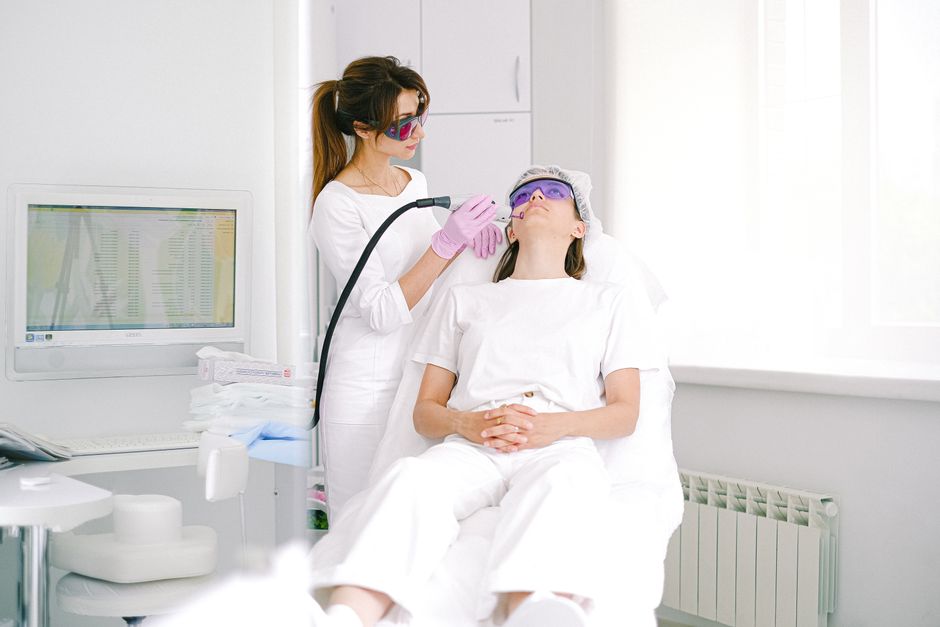
Yes, itching after laser hair removal is normal. It is one of the most common side effects people report, and it usually starts within minutes to a few hours after a session. The itch is part of how your skin responds to controlled heat and light energy, and in most cases it settles down on its own within a few days.
What matters is telling ordinary post-treatment itching apart from itching that signals a problem. The sections below explain why it happens, how long it typically lasts, and which symptoms mean you should call your provider instead of waiting it out.
Why Does Laser Hair Removal Make Your Skin Itch?
The itch comes from inflammation, not from an allergic reaction in most cases. Laser hair removal works by sending a specific wavelength of light into the skin, where it is absorbed by melanin in the hair follicle. That absorbed energy converts to heat, and the heat damages the follicle enough to slow or stop future hair growth.
The surrounding skin absorbs some of that heat too. In response, immune cells release histamine and other signaling molecules. Histamine is the same compound your body releases during an allergic reaction, and it triggers itching by stimulating nerve endings in the skin. This is why the itch after laser treatment feels similar to the itch from a bug bite or a healing scrape, even though the cause is completely different.
There is a second mechanism at work. The heat can cause mild damage to the outer layer of skin, and as that layer begins to repair itself, the healing process itself produces itch. This is the same reason a sunburn itches as it heals, or a wound itches as new skin forms underneath a scab.
Hair shedding adds a third factor. After a laser session, treated hairs do not fall out immediately. Over the following days and weeks, they work their way out of the follicle and shed. During that process, the follicle and the skin around it can feel irritated and itchy. This shedding phase is expected, not a sign that the treatment failed.
How Long Does The Itching Usually Last?
For most people, the itch peaks in the first 24 to 48 hours and fades within a few days. Mild redness and small bumps around the follicles often appear alongside it and follow the same timeline.
The exact duration varies. It depends on the area treated, your skin sensitivity, the settings your provider used, and how your skin has responded to previous sessions. Some people barely notice itching. Others find the first day or two genuinely uncomfortable.
Itching that lasts longer than about a week, or that gets worse instead of better, is not typical and is worth reporting to your provider. That does not automatically mean something is wrong, but it is outside the usual pattern and deserves a look.
What Helps Relieve The Itch Safely?
Cooling the skin and leaving it alone are the two most effective things you can do. A cool compress or a cool shower can calm the nerve endings that are firing. Some clinics also recommend a fragrance-free moisturizer or a plain aloe vera gel to soothe the area.
Avoid scratching, even when the urge is strong. Scratching damages the skin barrier, and broken skin after a laser session is more vulnerable to infection. If you scratch hard enough to break the surface, you have created a wound where there was none.
Keep the treated area out of direct sun while it heals. Laser-treated skin is more sensitive to ultraviolet light, and sun exposure during the healing window can lead to darkening of the skin in that area. Sun protection is one of the few aftercare steps with clear, consistent clinical support behind it.
On products to avoid: skip anything with fragrance, alcohol, or exfoliating acids until the skin has fully settled. These can sting and worsen irritation on skin that is already inflamed.
If you are considering an over-the-counter anti-itch cream, ask your provider first. Some products are fine after laser treatment. Others, particularly those containing certain topical numbing agents, are not appropriate for large areas of freshly treated skin and carry real risks if overused. This is a case where a quick question to your provider is worth more than a guess.





When Is Itching A Sign Of Something More Serious?
Itching alone is rarely a red flag. Itching combined with certain other symptoms can be. Contact your provider if you notice any of the following:
- Severe pain that is not improving after a day or two
- Blistering, crusting, or open sores
- Spreading redness or warmth in the treated area
- Swelling that increases rather than decreases
- Fever or chills
- Pus or a foul odor from the skin
- Itching that continues to worsen after the first week
These can point to infection, an atypical burn reaction, or another skin problem that needs evaluation. They are uncommon, but they are not things to monitor on your own for weeks.
One more point worth making clearly. Laser hair removal is a medical procedure, and it carries real risks when performed with the wrong settings, on the wrong skin type, or by an untrained operator. Burns, blistering, and changes in skin pigmentation are documented complications. Choosing a provider with proper training and equipment matters more than the price of the session.
Does The Itch Mean The Treatment Is Working?
No. Itching is a sign of inflammation, not a sign of follicle destruction. You cannot judge whether a laser session was effective by how much it itches.
Effectiveness shows up later, as reduced hair growth over the following weeks. It is also worth knowing that laser hair removal generally reduces hair growth rather than eliminating it permanently for everyone. Results vary by hair color, skin tone, hormone levels, and the area treated. Light-colored hair responds poorly because it lacks the melanin that absorbs the laser energy. People with certain hormonal conditions may see hair regrow despite repeated sessions.
So if a session itches less than the last one, that does not mean it worked less well. And if it itches more, that does not mean it worked better. The itch is a side effect, not a progress report.
Is Itching After Laser Hair Removal Different From Other Side Effects?
Itching often shows up alongside other common reactions. Knowing what is typical helps you judge what is not.
| Reaction | Typical timing | Usually expected? |
|---|---|---|
| Itching | Minutes to a few days | Yes |
| Redness | Minutes to a few days | Yes |
| Small bumps around follicles | Hours to a few days | Yes |
| Mild swelling | Hours to a couple of days | Yes |
| Hair shedding | Days to a few weeks | Yes |
| Blistering | Hours to days | No — contact provider |
| Skin color changes | Days to weeks | No — contact provider |
| Signs of infection | Days | No — seek care |
The pattern matters as much as the symptom. Reactions that appear on schedule and then improve are the expected course. Reactions that appear late, spread, or get worse are the ones to question.
How Can You Reduce The Chance Of Itching Next Time?
You cannot prevent post-laser itching entirely, because it is a direct result of how the treatment works. But a few steps can reduce how intense it is.
Shave the area rather than waxing or plucking in the weeks before a session. Waxing and plucking remove the hair from the follicle, which removes the target the laser needs. Shaving leaves the follicle intact.
Skip sun exposure and self-tanners before treatment. Tanned skin changes how much laser energy is absorbed, which can increase the risk of burns and irritation.
Tell your provider about all medications and skin products you use. Some medications increase sensitivity to light, and some skin conditions make laser treatment a poor fit.
Follow the aftercare instructions you are given. They exist because the healing window is when most complications occur, not because clinics need something to hand out.
Frequently Asked Questions
Is it normal to be itchy after laser hair removal?
Yes, itching is one of the most common side effects of laser hair removal. It is caused by inflammation from the heat the laser delivers to the skin and usually fades within a few days.
How long does itching last after laser hair removal?
For most people it peaks in the first 24 to 48 hours and settles within a few days. Itching that lasts longer than about a week or keeps getting worse should be reported to your provider.
Can I scratch the itchy area after laser hair removal?
You should avoid scratching, because it can break the skin and raise the risk of infection. A cool compress or a fragrance-free moisturizer is a safer way to calm the itch.
Does itching mean the laser hair removal is working?
No, itching is a sign of inflammation, not a sign that the hair follicle was successfully damaged. Results are judged by reduced hair growth over the following weeks, not by how much the area itches.
