
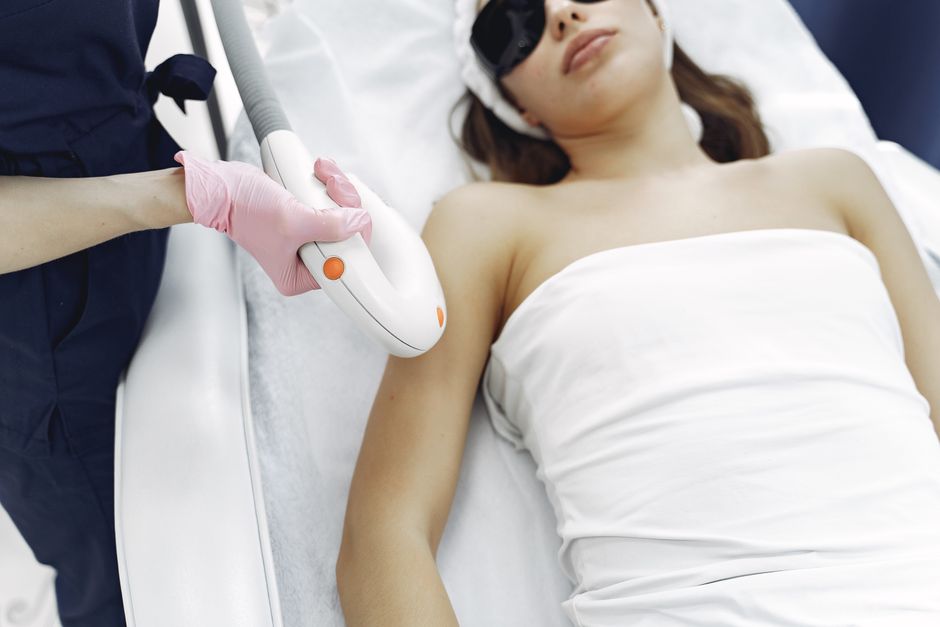
Laser hair removal works by targeting the pigment in hair follicles with concentrated light. The heat damages the follicle enough to slow or stop future hair growth. What you do in the days after a session has a real effect on whether that damage holds — and on whether your skin heals cleanly or develops problems.
The short answer to what not to do after laser hair removal: don’t expose treated skin to direct sun, don’t use a tanning bed, don’t pick or scratch the area, don’t apply harsh skincare ingredients like retinoids or exfoliating acids, and don’t use hot water, saunas, or steam rooms for at least 48 hours. These restrictions protect the skin while it is temporarily more vulnerable and reduce the risk of pigment changes and irritation.
Why Is Aftercare So Important After Laser Hair Removal?
The laser does its work by heating the follicle, but the skin around it absorbs some of that energy too. That is why treated areas often look red, feel warm, and may swell slightly for a few hours to a couple of days. The skin barrier is temporarily compromised. It is more sensitive to irritants, more vulnerable to infection, and far more reactive to ultraviolet light.
During this window, the follicle is also in a fragile state. The heat damage triggers a process that eventually causes the hair to shed and the follicle to produce thinner, slower-growing hair — or none at all. Aggressive rubbing, heat, or chemical irritation during this period can interfere with that process and increase the chance of side effects.
One thing that surprises many people: the hair does not fall out immediately. It often sheds over one to three weeks after treatment. That is normal. Pulling at it or waxing it during this time is one of the more common mistakes.
What Should You Avoid in the First 24 to 48 Hours?
The first two days matter most. This is when the skin is most reactive and when the follicle is most vulnerable to disruption.
Skip hot showers and baths. Use lukewarm or cool water instead. Heat increases blood flow to the area, which can worsen redness and swelling. Saunas, steam rooms, and hot tubs fall into the same category — the combination of heat, moisture, and sometimes chlorine or other chemicals is hard on treated skin.
Do not exercise strenuously for the first day or two. Sweat and friction from clothing or equipment can irritate the area. If you do work out, rinse off with cool water soon afterward and keep the area clean and dry.
Avoid swimming pools and natural bodies of water for at least 48 hours. Pool chemicals can sting and irritate. Lakes, rivers, and oceans carry bacteria that a compromised skin barrier is less equipped to handle.
Do not apply makeup, deodorant, lotion, or sunscreen to the treated area until any redness and irritation has settled — unless your provider has specifically told you otherwise. Some clinics apply a post-treatment gel or ointment themselves and will give you instructions about when to resume your normal products.
Do not shave over irritated skin in the first day or two. Once the area looks and feels normal, gentle shaving is generally fine between sessions. What you should not do at any point between sessions is wax, tweeze, or use epilators on the treated area.
Can You Go in the Sun After Laser Hair Removal?
No. Sun exposure is one of the biggest risks after laser hair removal, and the guidance here is firm.
Treated skin is more sensitive to ultraviolet radiation. Sun exposure during the healing period increases the risk of hyperpigmentation — dark patches — and can also cause hypopigmentation, where the skin loses color. These changes can be difficult to reverse. For people with darker skin tones, the risk of pigment problems after laser treatment is generally higher, which is one reason provider selection and settings matter so much.
Sun protection needs to be consistent, not just for a day or two. Most providers advise avoiding direct sun on treated areas for at least two weeks, and using broad-spectrum sunscreen with SPF 30 or higher on an ongoing basis throughout your treatment course. Tanning beds should be avoided entirely — they deliver concentrated UV exposure and carry the same pigment risks as natural sun, along with the broader skin cancer risks associated with indoor tanning.
If you must be outside, cover the area with clothing or a hat, and apply sunscreen once your skin has healed enough to tolerate it. Ask your provider when it is safe to start applying sunscreen to the treated area — this timing can vary depending on how your skin responded.
What Skincare Ingredients Should You Avoid?
Your normal skincare routine may need to pause for a few days. Ingredients that are usually fine can cause stinging, redness, or irritation on freshly treated skin.
- Retinoids (retinol, tretinoin, adapalene) — these increase skin turnover and can be irritating on compromised skin
- Alpha hydroxy acids and beta hydroxy acids — glycolic acid, lactic acid, salicylic acid
- Exfoliating scrubs and brushes — physical exfoliation can damage healing skin
- Fragranced products — perfume, scented lotions, and essential oils
- Alcohol-based toners and astringents
- Benzoyl peroxide and other strong acne treatments
Gentle, fragrance-free moisturizers are usually fine once the initial redness has settled. If you are unsure about a specific product, ask your provider before using it.
Why You Should Not Wax, Tweeze, or Epilate Between Sessions
Laser hair removal works on hair that is in the active growth phase, because that is when the follicle contains the most pigment. Hair cycles through growth, transition, and resting phases, and not all hairs are in the same phase at once. That is why multiple sessions are needed — typically spaced several weeks apart.
Waxing, tweezing, and epilating remove hair from the root. That interferes with the follicle the laser is trying to target. If you remove the hair by the root before your next session, the laser has less pigment to absorb, and the treatment may be less effective. Shaving is different — it cuts hair at the surface and leaves the follicle intact. Most providers say shaving is acceptable between sessions.
Threading and depilatory creams fall into a gray area. Ask your provider what they recommend for your specific treatment plan.
What About Picking or Scratching the Treated Area?
Do not pick, scratch, or rub the treated area, even if it itches or you see hair shedding. Itching is common and usually mild. It is a sign of healing, not a problem. But scratching can break the skin, introduce bacteria, and increase the risk of infection or scarring.
If the area feels irritated, a cool compress can help. Avoid ice directly on the skin — wrap it in a cloth first. Over-the-counter hydrocortisone cream is sometimes recommended by providers for significant redness or swelling, but ask before applying anything to treated skin.
Small crusts or scabs can form around the follicles. Let them fall off on their own. Picking at them is one of the more reliable ways to end up with a scar or a dark spot that lingers.
When Should You Call Your Provider?
Most side effects after laser hair removal are mild and temporary — redness, swelling, and mild discomfort that improve within a few hours to a few days. Some people develop small blisters or crusting, which usually heals on its own but should be mentioned to your provider.
Contact your provider if you notice signs of infection, including spreading redness, warmth that worsens over time, pus, or fever. Also call if you develop blisters that are large or painful, if you notice significant changes in skin color that concern you, or if symptoms are not improving after several days.
Severe pain, blistering, or scarring after laser treatment can indicate that the settings were too aggressive for your skin type. This is worth reporting, both for your own care and because it may mean your treatment plan needs adjustment.
Frequently Asked Questions
Can I shave after laser hair removal?
Yes, once the initial redness and irritation have settled, usually within a day or two. Shaving does not remove hair from the follicle, so it does not interfere with the treatment the way waxing or tweezing does.
How long after laser hair removal can I exercise?
Most providers suggest waiting 24 to 48 hours before resuming intense exercise. Sweat and friction can irritate treated skin, and heat from physical activity may worsen redness.
What happens if I get sun exposure after laser hair removal?
Sun exposure on treated skin increases the risk of dark patches (hyperpigmentation) or light patches (hypopigmentation). These pigment changes can be long-lasting and are one of the main reasons providers emphasize strict sun protection during treatment.
Can I use deodorant after laser hair removal on my underarms?
Wait at least 24 hours, or until redness and irritation have cleared, before applying deodorant to treated underarms. Deodorant contains ingredients that can sting or irritate compromised skin.
