
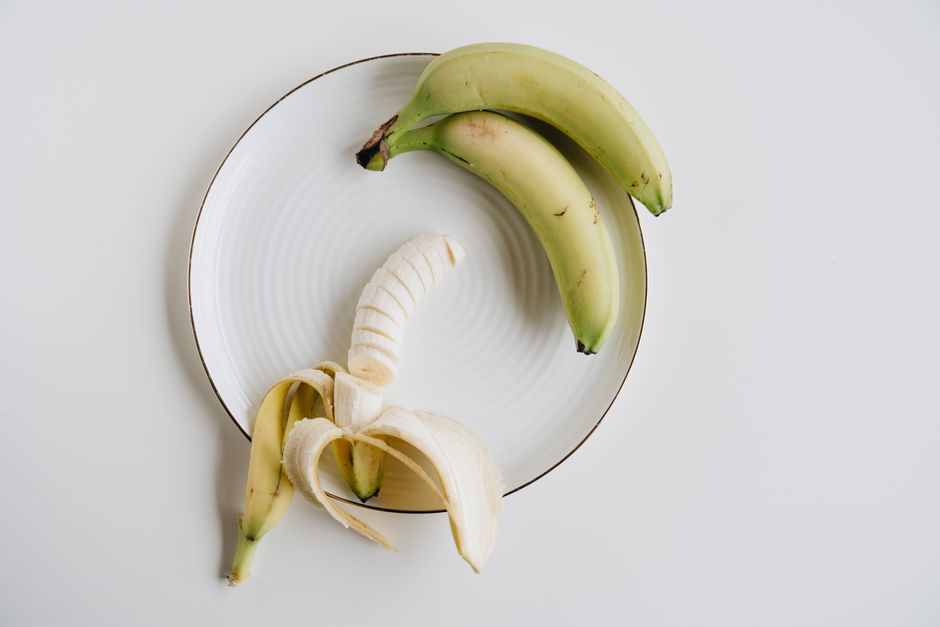
Bananas are often called an anti-inflammatory food, and for good reason. The short answer is yes, bananas contain several compounds that can help reduce inflammation in the body. They are not a cure for chronic inflammatory diseases, but they are a solid choice for a diet that supports lower inflammation.
What Causes Inflammation in the Body?
Inflammation is your body’s natural response to injury or infection. It is a protective process. When you get a cut or a cold, your immune system sends out cells to fight the problem. That is acute inflammation. It is short-term and helpful.
Chronic inflammation is different. It happens when the immune system stays active for months or years. This can damage healthy tissues. The CDC reports that chronic inflammation is linked to many serious conditions, including heart disease, diabetes, arthritis, and some cancers.
What triggers chronic inflammation? Poor diet is a major factor. Eating too much sugar, refined carbs, and unhealthy fats can keep your immune system on high alert. Stress, lack of sleep, smoking, and being overweight also play a big role. The good news is that diet changes, like adding more whole foods, can help lower this low-grade inflammation over time.
What Makes Bananas Anti Inflammatory?
Bananas contain several nutrients that directly fight inflammation. The most important one is vitamin B6. A medium banana gives you about 20% of your daily B6 needs. Research published in the Journal of Nutrition found that higher B6 levels in the blood are linked to lower levels of inflammatory markers like C-reactive protein.
Bananas also have vitamin C and manganese. Both are antioxidants. Antioxidants protect your cells from damage caused by free radicals. When free radicals build up, they trigger inflammation. By neutralizing them, antioxidants help keep inflammation in check.
Another key compound is dopamine. You may know dopamine as a brain chemical, but it also acts as an antioxidant in the body. The dopamine in bananas can help reduce oxidative stress, which is a driver of inflammation. This is not the same as the dopamine your brain uses for mood, but it still helps your cells.
Finally, bananas contain fiber, specifically pectin. Fiber feeds the good bacteria in your gut. A healthy gut microbiome is linked to lower inflammation throughout the body. Some studies suggest that a fiber-rich diet can reduce inflammatory markers by up to 25%.
How Do Bananas Compare to Other Anti Inflammatory Foods?
Bananas are good, but they are not the most powerful anti-inflammatory food. Berries, fatty fish, and leafy greens have stronger effects. However, bananas have a unique advantage: they are cheap, widely available, and easy to digest.
| Food | Key Anti Inflammatory Compounds | Relative Strength |
|---|---|---|
| Banana | Vitamin B6, vitamin C, dopamine, fiber | Moderate |
| Blueberries | Anthocyanins, vitamin C | High |
| Salmon | Omega-3 fatty acids | High |
| Spinach | Vitamin E, beta-carotene, lutein | High |
| Oats | Beta-glucan fiber | Moderate |
Notice that bananas fall in the moderate range. They are not a superfood, but they are a reliable everyday option. You can eat them without worrying about side effects, unlike some supplements that can cause issues. For most people, adding a banana a day is a simple step toward a more anti-inflammatory diet.





Does the Ripeness of a Banana Matter for Inflammation?
Yes, ripeness changes what is in the banana. Green bananas are high in resistant starch. Resistant starch acts like fiber. It feeds gut bacteria and can lower inflammation. A study in the journal Nutrients found that resistant starch reduced inflammatory markers in people with metabolic syndrome.
Ripe bananas, the ones with brown spots, have less resistant starch and more sugar. The sugar content rises as the banana ripens. But ripe bananas also have higher levels of antioxidants. One study showed that fully ripe bananas had eight times more tumor necrosis factor (TNF) activity than green bananas. TNF is a compound that helps your immune system fight abnormal cells.
So which is better? It depends on your goal. If you want to feed your gut bacteria and keep blood sugar steady, go for greener bananas. If you want more antioxidants, choose ripe ones. Either way, both types offer anti-inflammatory benefits. The difference is not huge for most people.
Are Bananas Anti Inflammatory for Everyone?
For most people, bananas are safe and helpful. But there are exceptions. People with type 2 diabetes or prediabetes need to watch their banana intake. A medium banana has about 14 grams of sugar. That is not a lot, but eating several bananas a day can raise blood sugar. High blood sugar itself causes inflammation, so that would cancel out the benefits.
Some people also report that bananas worsen their arthritis symptoms. This is not supported by strong evidence. A small study from 2015 found that bananas did not increase pain in people with rheumatoid arthritis. But individual reactions vary. If you notice that bananas make your joints feel worse, it is reasonable to avoid them.
Another group to consider is people with latex allergy. Bananas contain proteins that are similar to those in latex. Some people with latex allergy react to bananas as well. This is called latex-fruit syndrome. Symptoms can include itching, swelling, or even anaphylaxis in rare cases. If you have a latex allergy, talk to your doctor before eating bananas.
Common Misconceptions About Bananas and Inflammation
A viral claim on social media says that bananas are bad for inflammation because they are high in sugar. This is misleading. The sugar in bananas is natural and comes with fiber, which slows down absorption. A whole banana is very different from a candy bar. The fiber and nutrients in bananas outweigh the sugar content for most people.
Another myth is that bananas cause mucus production. This has been studied and debunked multiple times. A 2005 review in the journal Alternative and Complementary Therapies found no evidence that bananas increase mucus. The feeling of mucus after eating bananas may be due to their texture, not an actual increase in mucus production.
Some people also believe that bananas are not worth eating because they are high in calories. This is false. A medium banana has about 105 calories. That is a reasonable snack. The nutrients it provides far outweigh the calorie cost. If you are trying to lose weight, a banana is a better choice than most processed snacks.
How to Use Bananas in an Anti Inflammatory Diet
Adding bananas to your diet is simple. Here are some practical ways to do it:
- Eat a banana as a pre-workout snack. The carbs give you energy, and the potassium helps prevent muscle cramps.
- Slice bananas into oatmeal or yogurt. This adds sweetness without added sugar.
- Freeze ripe bananas and blend them into a smoothie. Frozen bananas make a creamy base without needing dairy.
- Use mashed banana as a substitute for oil or eggs in baking. This reduces unhealthy fats and adds nutrients.
- Pair a banana with a source of protein, like peanut butter or almonds. This balances blood sugar and keeps you full longer.
Do not rely on bananas alone. An anti-inflammatory diet should include a variety of fruits, vegetables, whole grains, and healthy fats. Bananas are one piece of the puzzle. They work best when combined with other anti-inflammatory foods like berries, leafy greens, nuts, and fatty fish.
Frequently Asked Questions
Are bananas good for arthritis pain?
Bananas contain vitamin B6 and antioxidants that may help reduce inflammation, but there is no strong evidence they directly relieve arthritis pain. Some people report improvement, while others do not notice a difference.
How many bananas can I eat a day for anti inflammatory benefits?
One to two bananas per day is a reasonable amount for most people. Eating more than that can raise blood sugar, which may increase inflammation instead of reducing it.
Do green bananas have more anti inflammatory benefits than ripe bananas?
Green bananas have more resistant starch, which feeds gut bacteria and lowers inflammation. Ripe bananas have more antioxidants. Both types offer benefits, so choose based on your preference.
Can bananas cause inflammation in some people?
Some people with latex allergy may react to bananas, which can cause inflammation-like symptoms. There is also weak evidence that bananas might worsen symptoms in a small number of people with arthritis, but this is not common.
