
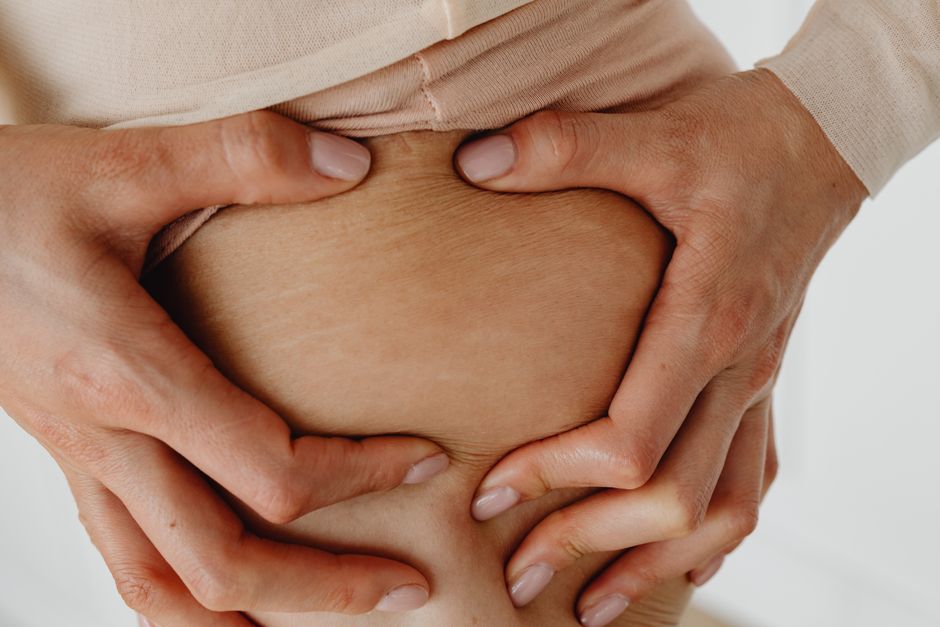
Inkless stretch mark removal is a relatively new cosmetic procedure that claims to reduce the appearance of stretch marks without using ink, needles, or lasers. The short answer is that it is generally considered safe for most skin types, but the evidence supporting its effectiveness is limited, and results vary widely from person to person. Because the procedure works by triggering the skin’s own healing response, dermatologists note that skin tone, texture, and healing ability all play a role in both safety and outcomes.
What Is Inkless Stretch Mark Removal?
Inkless stretch mark removal is a form of microneedling. A device with fine sterile needles creates tiny punctures in the skin. Unlike traditional microneedling, no serum or ink is applied to the skin during the procedure. The goal is to stimulate collagen and elastin production in the areas where stretch marks have formed.
Stretch marks, also called striae, occur when the skin stretches rapidly. This can happen during pregnancy, growth spurts, or rapid weight changes. The dermis, the middle layer of the skin, tears and heals with scar-like tissue. The procedure aims to encourage the skin to rebuild that tissue in a way that more closely matches the surrounding skin.
The term “inkless” separates this treatment from medical tattooing or micropigmentation, which deposits pigment into the skin. Inkless removal relies entirely on the body’s natural repair mechanisms. No foreign substances are introduced, which removes the risk of allergic reactions to pigments.
How Does the Procedure Actually Work?
During an inkless stretch mark removal session, a practitioner moves a microneedling pen across the stretch mark area. The needles penetrate the epidermis and reach the upper dermis. This controlled injury triggers a wound-healing cascade. The body responds by producing new collagen fibers and remodeling the existing tissue.
The procedure is typically performed in a series of sessions. Most providers recommend three to six treatments spaced several weeks apart. Each session lasts between 30 and 60 minutes depending on the size of the area being treated. Numbing cream is usually applied beforehand to reduce discomfort.
Recovery is minimal. The skin may appear red and feel sensitive for a few days, similar to a mild sunburn. Some flaking or peeling can occur. Most people return to normal activities the same day, though strenuous exercise is often discouraged for 24 to 48 hours.
Is Inkless Stretch Mark Removal Safe For All Skin Types?
Microneedling, the underlying technology, has been used by dermatologists for years. It is considered safe for all Fitzpatrick skin types, which is the standard classification system dermatologists use to describe skin tone. This includes very fair skin and very dark skin.
The main safety advantage of the inkless approach is that it does not use heat or light. Laser treatments for stretch marks carry a higher risk of hyperpigmentation or burns in darker skin tones because melanin absorbs laser energy. Microneedling bypasses that risk entirely because it is purely mechanical.
However, safety does not mean identical results. Darker skin tones may be more prone to post-inflammatory hyperpigmentation, a temporary darkening of the skin where the needles passed. This risk exists with any form of microneedling, including the inkless method. A skilled practitioner will adjust needle depth and pressure accordingly.
People with active acne, skin infections, or open wounds in the treatment area should wait until the skin is clear. Those with a history of keloid scarring should consult a dermatologist before proceeding, as any skin injury carries a risk of abnormal scarring in this population.




What Does the Evidence Say About Effectiveness?
The honest answer is that clinical evidence for inkless stretch mark removal specifically is thin. Most of the research on microneedling for stretch marks has been done with serums or other active ingredients applied during the procedure. The inkless method, which skips those ingredients, has fewer published studies behind it.
Some research suggests that microneedling alone can improve the appearance of stretch marks. Studies have shown increases in collagen density and improvements in skin texture after repeated treatments. But the degree of improvement varies. Some people see significant fading, while others see only modest changes.
It is also important to manage expectations about what “removal” means. The procedure does not remove the stretch mark entirely. It reduces the visual difference between the stretch mark and the surrounding skin. The mark may become less raised, less red, or less indented, but it rarely disappears completely.
No large human trials have confirmed that inkless stretch mark removal is more effective than traditional microneedling with serums. The marketing claims around the inkless method often focus on the absence of additives rather than on superior results. That distinction matters for people with sensitive skin, but it is not evidence of better outcomes.
Who Should Avoid This Procedure?
Pregnant women should generally avoid inkless stretch mark removal. No clinical guidelines currently exist for the safety of microneedling during pregnancy. The procedure is elective, and the lack of safety data means most practitioners will decline to treat pregnant clients.
People with certain medical conditions should also exercise caution. Those with diabetes, poor wound healing, or compromised immune systems may have a higher risk of infection. Blood-thinning medications can increase the risk of bruising and prolonged bleeding. Always disclose your full medical history to the practitioner before treatment.
Anyone with a history of abnormal scarring, including hypertrophic scars or keloids, should get a dermatologist’s opinion first. While microneedling is sometimes used to treat scars, it can worsen scarring in predisposed individuals. This is rare but possible.
People who are prone to cold sores should be aware that facial microneedling can trigger an outbreak. If the treatment area is near the mouth or lips, antiviral medication may be recommended beforehand. This precaution is standard practice in dermatology.
How to Choose a Safe Provider
The skill of the practitioner matters more than the device being used. Inkless stretch mark removal is a medical procedure, even though it is often offered in spas or beauty clinics. Seek out a provider with medical training, such as a dermatologist, nurse practitioner, or physician assistant.
Ask about the device being used. FDA-cleared microneedling devices have specific safety standards. A reputable provider will be transparent about their equipment and sterilization practices. Needles should be single-use and disposed of after each session.
Request a consultation before booking. A good provider will examine your skin, discuss your medical history, and explain realistic outcomes. If a provider guarantees complete removal of stretch marks, that is a red flag. No procedure can make that promise.
Check before and after photos. Look for photos of people with a similar skin tone to yours. This gives you a more accurate sense of what the procedure can do for you specifically. Photos should be unedited and taken in consistent lighting.
What Are the Potential Side Effects?
The most common side effects are temporary. Redness, swelling, and mild tenderness are expected for a day or two after treatment. Some people experience pinpoint bleeding or bruising. These effects resolve on their own.
More serious side effects are rare but possible. Infection can occur if the equipment is not properly sterilized or if the aftercare instructions are not followed. Hyperpigmentation can develop in darker skin tones, though it is usually temporary. Hypopigmentation, or lightening of the skin, has been reported but is less common.
Scarring is a rare complication. It is more likely to occur in people with a history of keloids or in those who pick at the treated area during healing. Following aftercare instructions reduces this risk significantly.
Sun exposure after treatment can increase the risk of pigmentation changes. Most practitioners recommend avoiding direct sun on the treated area for at least a week and using sunscreen daily. This is a standard precaution, not a sign that something went wrong.
Frequently Asked Questions
Does inkless stretch mark removal hurt?
Most people describe the sensation as mild discomfort rather than sharp pain. Numbing cream is applied before the procedure, and most sessions are well tolerated.
How many sessions are needed to see results?
Most providers recommend three to six sessions spaced several weeks apart. Some people notice improvement after the first session, but full results typically appear after several months as collagen continues to rebuild.
Can inkless stretch mark removal be done on any body part?
Yes, the procedure can be performed on most areas of the body where stretch marks appear, including the abdomen, thighs, hips, and arms. The practitioner will adjust needle depth based on the thickness of the skin in that area.
Is the procedure safe for pregnant women?
No clinical guidelines currently exist for the safety of microneedling during pregnancy. Most practitioners will decline to treat pregnant clients because the procedure is elective and the safety data is absent.
