
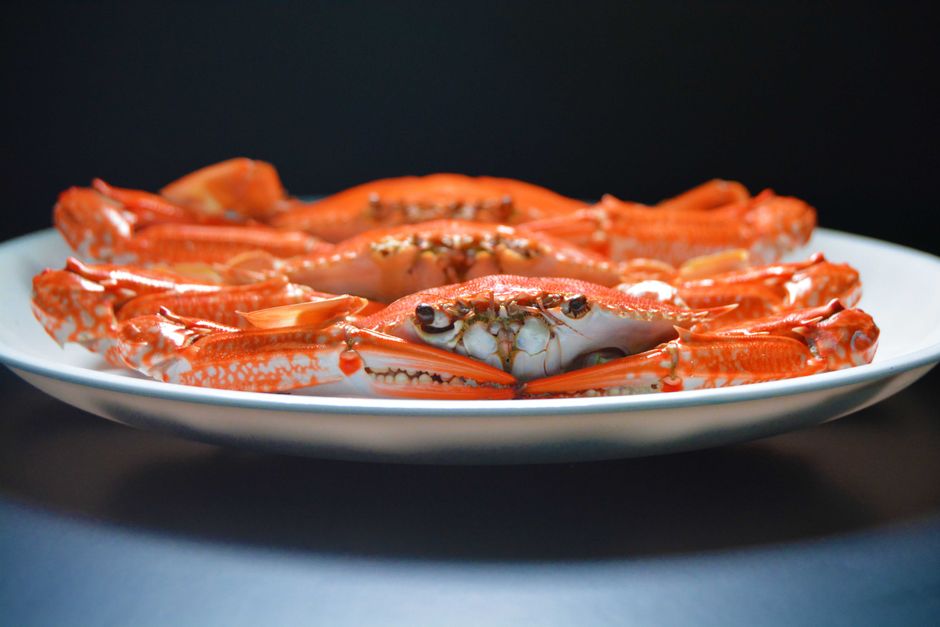
Imitation crab is not good for you in the same way that real crab is. It is a processed food made from white fish, sugar, starches, and additives. While it is not dangerous in small amounts, it offers very little nutritional value compared to fresh seafood. If you are looking for protein without the extras, real crab is almost always the better choice. But for many people, imitation crab is a convenient, low-cost option that fits into a balanced diet now and then.
What Is Imitation Crab Made Of?
Imitation crab is a processed seafood product. It is also called surimi. The base ingredient is white fish, usually pollock, which is washed and ground into a paste. That paste is then mixed with sugar, egg whites, starches, and vegetable oil. Artificial flavors and colors are added to make it look and taste like real crab.
Most brands use a red food coloring on the outside to mimic the look of cooked crab legs. The FDA sets standards for what can be called “imitation crab.” It must be labeled clearly so shoppers know it is not real crab. Some products are labeled “crab flavored seafood” instead of “imitation crab.”
Surimi technology started in Japan hundreds of years ago. The modern version became popular in the United States in the 1970s. It was designed as a cheaper alternative to real crab meat. Today, it is found in sushi rolls, seafood salads, and casseroles across the country.
Is Imitation Crab Good For You Compared to Real Crab?
Real crab wins in almost every nutritional category. A 3-ounce serving of real crab has about 80 calories, 16 grams of protein, and almost no carbohydrates. The same amount of imitation crab has roughly the same calories but only 6 to 8 grams of protein. It also has 6 to 10 grams of carbohydrates, mostly from added sugar and starches.
Real crab is rich in vitamin B12, selenium, and zinc. These nutrients support your immune system and nerve function. Imitation crab has very little of these naturally. Some brands add synthetic vitamins to make up for it, but it is not the same as getting them from whole food.
Here is a quick comparison of a standard 3-ounce serving:
| Nutrient | Real Crab | Imitation Crab |
| Calories | 80 | 80-90 |
| Protein | 16g | 6-8g |
| Carbohydrates | 0g | 6-10g |
| Fat | 1g | 1-2g |
| Sodium | 250mg | 400-600mg |
| Vitamin B12 | High | Low (unless added) |
| Selenium | High | Low |
The numbers show a clear trade-off. Imitation crab is lower in protein and higher in sugar and sodium. If you are watching your salt intake or trying to build muscle, real crab is the smarter pick.
What Are the Main Health Concerns With Imitation Crab?
The biggest concern is the added sugar. A serving of imitation crab can contain 2 to 5 grams of sugar. That does not sound like much, but it adds up if you eat it often. The American Heart Association recommends women limit added sugar to 25 grams per day and men to 36 grams. A single sushi roll with imitation crab can use up a large portion of that allowance.
Sodium is another issue. Many brands pack 400 to 600 milligrams of sodium into a 3-ounce serving. That is about one-quarter of the daily limit recommended for most adults. People with high blood pressure or heart conditions should be careful. The CDC reports that 9 in 10 American adults consume too much sodium, mostly from processed foods like this.
Some people also react to the additives. Imitation crab contains sodium tripolyphosphate, which helps retain moisture. In large amounts, this can cause digestive upset. A few brands also use MSG to boost flavor. While MSG is safe for most people, some report headaches or mild reactions after eating it.
One more point worth noting: imitation crab is made from fish that may contain trace levels of mercury. Pollock is a low-mercury fish, so the risk is small. But real crab is also low in mercury, so this is not a reason to choose imitation over real.





Is Imitation Crab Good For You If You Are Pregnant or Feeding Kids?
For pregnant women, the main concern is avoiding harmful bacteria. Imitation crab is fully cooked during processing, so it is safer than raw seafood. The FDA lists it as a low-mercury option. That makes it an acceptable choice for pregnant women in moderation.
But the high sodium and added sugar are still concerns during pregnancy. The American College of Obstetricians and Gynecologists recommends limiting sodium to help manage blood pressure. If you are pregnant, read labels carefully. Some brands have much lower sodium than others.
For kids, imitation crab can be a way to introduce seafood flavors. But it should not replace real fish or shellfish in their diet. Children need the omega-3 fatty acids found in real seafood for brain development. Imitation crab has almost no omega-3s. The American Academy of Pediatrics suggests offering real fish to children at least once a week starting around age 6 months.
A small amount of imitation crab as part of a meal is fine. Just do not let it crowd out more nutritious options.
What Should You Look For on the Label?
Not all imitation crab is the same. Ingredients vary by brand. Here is what to check before you buy:
- First ingredient: It should be fish (pollock, cod, or hake). If water or sugar is first, put it back.
- Protein content: Look for at least 6 grams per serving. Anything less is mostly filler.
- Sodium level: Aim for under 400 milligrams per serving. Some brands hit 700.
- Added sugar: Less than 3 grams per serving is reasonable. Avoid brands with sugar listed high on the ingredient list.
- Phosphates: Sodium tripolyphosphate is common but can cause bloating in sensitive people. Some brands skip it.
A study published in the Journal of Food Science found that surimi products vary widely in quality. Some brands use more starch and less fish. Reading the ingredient list is the only way to know what you are getting. If the label lists multiple types of sugar or starch, the product is more processed.
Common Misconceptions About Imitation Crab
One common myth is that imitation crab is made from leftover fish parts or scraps. That is not true. It is made from whole white fish that is ground and washed. The process removes fat and blood, leaving a neutral-tasting protein base.
Another myth is that imitation crab is full of dangerous chemicals. The additives used are FDA-approved and common in many processed foods. That does not make them healthy, but they are not toxic in the amounts found in surimi. The bigger issue is the overall nutritional profile, not any single ingredient.
Some people also believe that imitation crab is a good source of omega-3 fatty acids. It is not. The washing process removes most of the healthy fats from the fish. Real crab and salmon are far better sources. If you eat imitation crab for the omega-3s, you are not getting what you think.
One last misconception: that imitation crab is a good protein source for weight loss. It is low in calories, but the protein is modest. You would need to eat twice as much to get the same protein as real crab. That also doubles the sugar and sodium. If weight loss is your goal, real crab or plain grilled fish is a smarter choice.
Frequently Asked Questions
Can you eat imitation crab raw?
Yes, it is fully cooked during processing and safe to eat straight from the package. Just keep it refrigerated and eat it before the expiration date.
Is imitation crab high in mercury?
No, it is made from low-mercury fish like pollock. It is considered a low-mercury seafood option by the FDA.
Does imitation crab have any health benefits?
It provides some protein and is low in fat, but it lacks the vitamins and minerals found in real crab. It is not a health food, just a convenient option.
Can people with a shellfish allergy eat imitation crab?
It depends. Imitation crab is made from fish, not shellfish, so many people with shellfish allergies can eat it. But check the label for cross-contamination warnings.
