
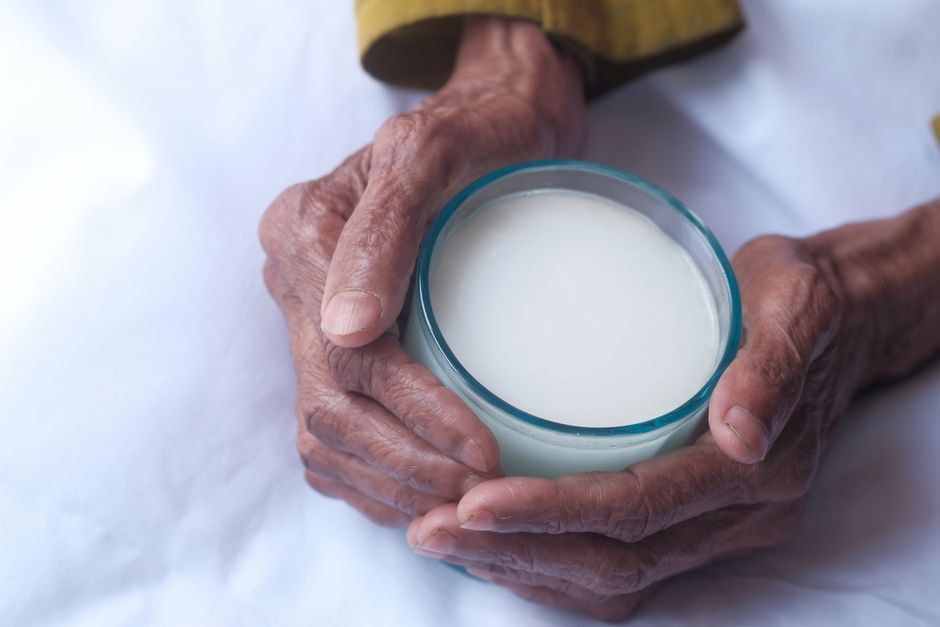
Human milk is designed for human infants, not adults. It is safe to consume but provides no proven health advantage for grown adults, and it carries real risks when bought or shared informally.
Search interest in human milk as an adult wellness product has grown in recent years. Some bodybuilders claim it builds muscle. Some cancer patients seek it out. Neither claim is supported by clinical evidence. What is well established is that human milk is a complex fluid built to meet the needs of a growing newborn, not a 45-year-old adult.
Is Human Milk Good For Adults?
No evidence shows that drinking human milk benefits healthy adults. There is no clinical guideline recommending it for any adult condition. The nutritional profile is not matched to adult needs, and the immune compounds in milk are designed to work in an infant’s gut, not a mature adult digestive system.
That does not mean it is harmful in small amounts. It means the claimed benefits — better immunity, faster muscle growth, cancer treatment support — have not been demonstrated in human trials. When a health claim has no supporting trials, the honest position is that it is unproven, not that it probably works anyway.
One point that often gets lost: human milk is a body fluid. Like blood or saliva, it can carry infectious agents. That matters most when milk is bought online or shared informally without screening.
What Is Actually In Human Milk?
Human milk is roughly 87% water. The remaining solids include lactose, fat, protein, and a long list of bioactive compounds. The exact composition shifts over time — colostrum in the first days after birth is very different from mature milk — and even changes within a single feeding.
The main components include:
- Lactose — the primary carbohydrate, higher in human milk than in cow’s milk
- Fats — including long-chain fatty acids important for infant brain development
- Proteins — mainly whey and casein, in lower total amounts than cow’s milk
- Immunoglobulins — especially secretory IgA, which coats the infant gut
- Oligosaccharides — complex sugars that feed beneficial gut bacteria in infants
- Enzymes, hormones, and growth factors — present in small amounts
Secretory IgA is the most discussed immune component. It works by binding to pathogens on mucosal surfaces, primarily in the infant gut. In an adult, that same antibody would be largely digested in the stomach before reaching any surface where it could act. This is a key reason the immune benefit does not transfer to adults.
How Does Human Milk Compare To Cow’s Milk For Adults?
Cow’s milk is cheaper, more widely available, and better matched to adult nutrition. Human milk is lower in protein and calcium and higher in lactose than cow’s milk. For an adult, that is not an advantage.
| Nutrient | Human Milk (per 100 mL, approximate) | Cow’s Milk (per 100 mL, approximate) |
|---|---|---|
| Calories | ~70 kcal | ~60 kcal |
| Protein | ~1 g | ~3.4 g |
| Fat | ~4 g | ~3.3 g |
| Carbohydrate (lactose) | ~7 g | ~4.8 g |
| Calcium | ~32 mg | ~113 mg |
These figures are approximate and vary with the stage of lactation and the individual. The pattern is consistent: human milk is built for an infant’s rapid growth and immature immune system, not for adult maintenance. An adult drinking human milk for protein or calcium would get less of both than from a glass of cow’s milk.





Why Do People Think Human Milk Helps Adults?
Most of the claims trace back to a logical leap rather than to trial data. Human milk supports infant immunity, so the reasoning goes, it must support adult immunity too. That leap does not hold up.
The infant gut is permeable and immature. It absorbs large molecules that an adult gut would break down or block. Secretory IgA and oligosaccharides act in that specific environment. An adult digestive system is a different environment entirely.
Bodybuilding claims follow a similar pattern. Human milk does contain protein and growth factors, but in amounts too small to meaningfully affect adult muscle. The protein content is roughly a third of cow’s milk. Anyone chasing muscle growth would get far more from ordinary food.
Cancer-related interest is the most sensitive area. Some laboratory studies have examined components of human milk, including a protein complex sometimes called HAMLET, for effects on cancer cells. Those are cell and animal studies. No large human trial has shown that drinking human milk treats or prevents cancer in adults. Patients should not replace or delay conventional treatment based on this.
Are There Risks To Drinking Human Milk As An Adult?
Yes, primarily from unscreened milk. Human milk is a body fluid and can transmit infectious agents. The risk is highest when milk comes from an unknown donor or is purchased online.
Documented concerns include:
- Bacterial contamination — improper collection or storage allows bacteria to multiply
- Viral transmission — including HIV, hepatitis B, hepatitis C, and HTLV, all of which can be present in milk
- Medication and drug transfer — anything a donor takes can pass into milk
- Unknown donor history — online sellers rarely provide verified screening
Milk banks that supply neonatal intensive care units screen donors and pasteurize milk. That milk is reserved for premature and sick infants, not sold for adult use. Informal milk sharing does not carry those safeguards.
Pasteurization reduces but does not eliminate all infectious risk, and it also degrades some of the bioactive compounds that are the whole point of the claimed benefits. There is a tension there that marketing rarely mentions.
What Does The Evidence Actually Show?
The evidence base for adult human milk consumption is essentially empty. There are no large randomized controlled trials. There are no clinical guidelines recommending it. What exists is a small number of laboratory studies and a large amount of anecdotal marketing.
This is a case where the honest answer is simple. For infants, human milk has well-documented benefits, particularly for premature babies. For adults, the same cannot be said. The absence of evidence is not proof of harm, but it is also not proof of benefit.
Anyone considering human milk for a health condition should talk to a clinician first. That is especially true for cancer, immune disorders, or any situation where someone might be tempted to use milk in place of proven treatment.
Is It Legal To Buy Or Sell Human Milk?
In the United States, selling human milk for personal consumption is generally legal, but it is not regulated as a food or drug by the FDA. That means there is no federal safety standard for milk sold online or between individuals.
Some states have their own rules, mostly aimed at milk banking for infant use. For adult buyers, the practical takeaway is that no regulatory body is checking the safety of what arrives in the mail. That is a meaningful gap given the infectious disease concerns.
This is different from donor blood or donated organs, which go through mandatory screening. Human milk sold for adult consumption does not.
Frequently Asked Questions
Is human milk good for adults?
No clinical evidence shows health benefits for adults who drink human milk. It is not recommended by any major health organization for adult consumption.
Can adults drink human milk safely?
It can be consumed, but unscreened milk from unknown donors can carry bacteria and viruses like HIV and hepatitis. Milk from screened, pasteurized milk banks is safer but reserved for infants.
Does human milk build muscle in adults?
No. Human milk has roughly one-third the protein of cow’s milk, far too little to meaningfully support adult muscle growth.
Can human milk cure cancer?
No human trial has shown that drinking human milk treats or cures cancer. Some laboratory studies have looked at individual milk components, but that is not the same as a proven treatment.
