
No, HPV and herpes are not the same virus. They are two completely different infections. HPV (human papillomavirus) and herpes (herpes simplex virus, or HSV) both spread through skin-to-skin contact, but they cause different symptoms and have different long-term effects. HPV can cause genital warts and some types lead to cancer. Herpes causes painful blisters or sores and stays in the body for life. Understanding the differences helps you know what symptoms to watch for, how each is treated, and how to protect yourself.
What Are the Main Differences Between HPV and Herpes?
HPV and herpes are caused by different viruses. HPV has over 100 types. About 40 of them affect the genital area. Some cause genital warts. Others, especially types 16 and 18, can cause cervical, anal, and throat cancers. Herpes is caused by HSV-1 or HSV-2. HSV-1 usually causes cold sores around the mouth. HSV-2 typically causes genital herpes. But both types can infect either area.
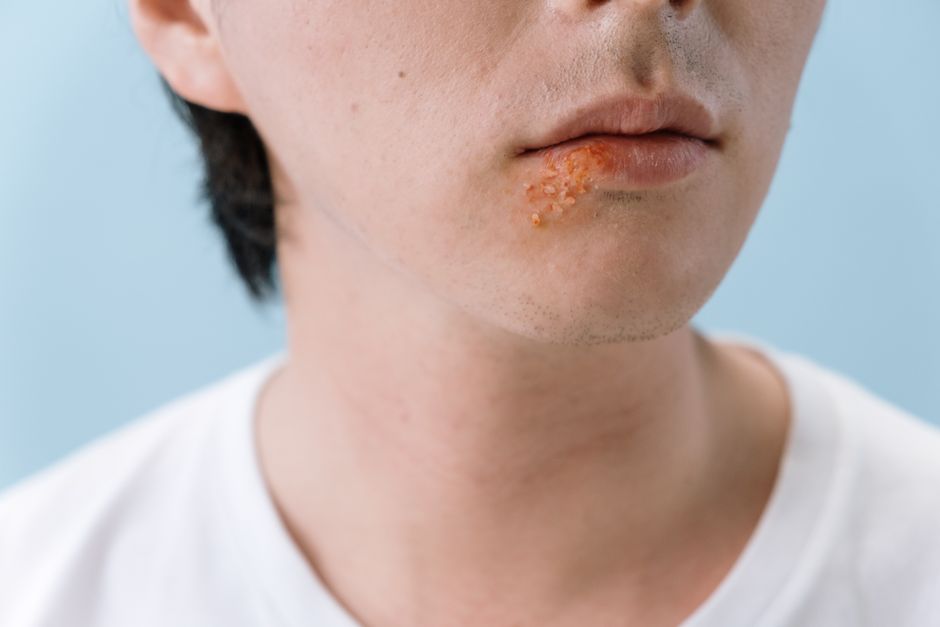
Symptoms differ too. HPV often has no symptoms at all. When symptoms appear, they look like flesh-colored bumps or cauliflower-like growths (genital warts). Herpes symptoms include small red bumps, blisters, or open sores. These can be painful or itchy. Herpes outbreaks come and go. HPV warts may go away on their own or persist.
A key difference: herpes never leaves the body. It stays dormant in nerve cells and can reactivate. HPV is often cleared by the immune system within two years. Some types, however, can persist and cause cell changes that lead to cancer.
How Are HPV and Herpes Transmitted?
Both viruses spread through direct skin-to-skin contact during vaginal, anal, or oral sex. Condoms reduce the risk but do not eliminate it because they don’t cover all infected skin. HPV can also spread through non-sexual skin contact in rare cases. Herpes spreads when a person has active sores or sometimes when there are no symptoms (asymptomatic shedding).
HPV is extremely common. Most sexually active people get it at some point. Herpes is also common but less so than HPV. According to the World Health Organization, about 67% of people under 50 globally have HSV-1, and about 13% have HSV-2. For HPV, most infections go unnoticed.
Can You Have HPV and Herpes at the Same Time?
Yes, you can be infected with both viruses at the same time. They are unrelated, so having one does not protect you from the other. Having both may make symptoms worse for a short time because the immune system is dealing with two infections. But the viruses do not interact directly.
If you have herpes sores, the broken skin might make it easier for HPV to enter. But this is not a proven strong link. The main point: if you test positive for one, you should still ask your doctor about testing for the other if you have symptoms or concerns.




What Are the Symptoms of HPV and Herpes?
Most people with HPV never know they have it. When symptoms occur, the most common are genital warts. These are painless, raised bumps that can appear in clusters or alone. They can show up weeks or months after infection. Some types of HPV cause no visible symptoms but can be found through a Pap test (for cervical cell changes).
Herpes symptoms usually appear 2 to 12 days after exposure. The first outbreak is often the worst. You may feel tingling or burning before blisters appear. Blisters break and form painful sores that crust over and heal in 2 to 4 weeks. Recurrences are usually milder. Some people have frequent outbreaks; others have none.
It is possible to have herpes without ever having noticeable symptoms. This is called asymptomatic shedding, and the virus can still spread to others.
Is There a Cure for HPV or Herpes?
There is no cure for either virus, but both are manageable. For HPV, the body’s immune system clears the virus in most people within 1 to 2 years. If the virus persists, it can cause cell changes that require treatment. Genital warts can be removed with creams, freezing, or laser. Precancerous cells can be removed during a colposcopy procedure. There is no treatment to eliminate the virus itself.
Herpes has no cure. Antiviral medications like acyclovir, valacyclovir, or famciclovir can shorten outbreaks and reduce the chance of spreading the virus. Some people take these daily to suppress outbreaks. Without medication, outbreaks still happen but tend to become less frequent over time.
A vaccine exists for HPV. The HPV vaccine (Gardasil 9) prevents infection from nine high-risk and wart-causing types. It is recommended for boys and girls starting at age 11 or 12, but can be given up to age 45. There is currently no approved vaccine for herpes.
How Are HPV and Herpes Diagnosed?
Diagnosis for HPV and herpes is different. For HPV, there is no routine blood test for the general population. Doctors diagnose genital warts by visual exam. For cervical cancer screening, women get a Pap test and sometimes an HPV test on the same sample. Pap tests find abnormal cells; HPV tests find the virus itself.
For herpes, a doctor can often diagnose sores by looking at them. A swab of the sore is tested for HSV DNA. This is the most accurate method during an outbreak. Blood tests for herpes antibodies are available but not always reliable. They can tell if you have been infected but not when or where.
If you think you have symptoms of either infection, see a healthcare provider. Do not rely on self-diagnosis. Many other conditions can look similar.
What Should You Do If You Think You Have HPV or Herpes?
First, see a doctor or visit a sexual health clinic. They can examine you, run tests, and recommend treatment if needed. If you have HPV and it causes warts or abnormal cells, follow up as directed. If you have herpes, you may be prescribed antivirals.
Inform your sexual partners. Both viruses can spread even without symptoms. Condoms reduce but do not eliminate risk. For HPV, getting vaccinated protects against the most dangerous types. For herpes, daily antiviral medication can lower transmission risk by about 50%.
Do not panic. Both infections are common and manageable. Most people lead normal healthy lives with either condition. The biggest concern with HPV is cancer risk, but with regular screening, precancerous changes can be caught early. Herpes causes discomfort but not serious health problems for most people.
Frequently Asked Questions
Can you get herpes from someone with HPV?
No. They are different viruses. You cannot get herpes from HPV or vice versa. You need exposure to HSV to get herpes.
Does HPV turn into herpes?
No. They are separate viruses that work differently. HPV does not change into herpes.
Can herpes cause cancer?
There is no strong evidence that herpes causes cancer. HPV is the virus linked to cervical and other cancers.
How long after sex do symptoms of HPV or herpes appear?
For HPV, warts can appear weeks to months later. For herpes, symptoms usually appear 2 to 12 days after exposure.
