
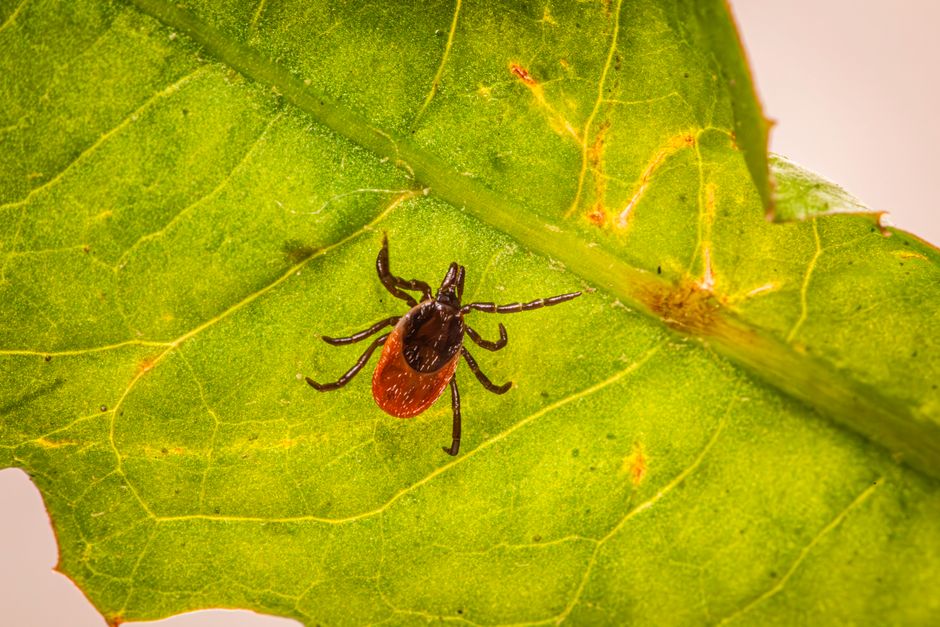
HPV is not a parasite. It is a virus. The confusion makes sense because both can live inside the human body, but they are completely different types of organisms. A parasite is a living organism that survives by feeding off a host. A virus is a tiny infectious agent that can only reproduce inside the cells of a living host. HPV, which stands for human papillomavirus, belongs to the virus category because of how it is built and how it multiplies. It does not have the cellular structure of a parasite, and it cannot survive or replicate on its own outside of human cells.
What Exactly Is a Parasite?
Parasites are organisms that live on or inside another organism, called a host, and get their nutrients from that host. Common examples include tapeworms, hookworms, and malaria parasites. These are complex, multi-celled organisms with their own biological systems. They can move, digest food, and reproduce independently, even though they rely on a host for survival.
Parasites are much larger than viruses. A single tapeworm can grow several feet long. Even microscopic parasites like those that cause malaria are single-celled organisms with a nucleus and other internal structures. They are classified as living things because they carry out all the basic functions of life on their own.
The key point is that parasites have their own machinery for life. They eat, they grow, and they reproduce. They may damage the host while doing so, but they are independent living organisms.
What Exactly Is a Virus?
A virus is much simpler and much smaller than a parasite. It is essentially a small piece of genetic material, either DNA or RNA, wrapped in a protein coat. Some viruses also have an outer lipid envelope. Viruses do not have cells. They have no nucleus, no organelles, and no way to produce energy.
Viruses cannot reproduce on their own. They must enter a living cell and hijack that cell’s machinery to make copies of themselves. This is why scientists do not consider viruses to be fully alive in the traditional sense. They exist in a gray area between living and non-living.
HPV is a DNA virus. It infects the epithelial cells, which are the cells that make up the skin and the moist surfaces of the body. Once inside a cell, the virus uses the cell’s own resources to create new viral particles. This process can cause the cell to grow abnormally, which sometimes leads to warts or, in some cases, cancer.
Is HPV a Parasite? Why Its Classified as a Virus
HPV is classified as a virus because it meets every definition of a virus and none of the definitions of a parasite. The classification is based on biology, not on how the organism behaves in the body.
Here is the core difference. A parasite is a living organism with its own cells and metabolism. HPV has no cells and no metabolism. It is just genetic material inside a protein shell. A parasite can move and feed. HPV cannot move, eat, or do anything on its own. A parasite reproduces through its own biological processes. HPV cannot reproduce unless it is inside a human cell.
The word “parasite” is sometimes used loosely in everyday language to describe anything that takes from a host. In that loose sense, HPV could be called parasitic because it depends on human cells. But in biology and medicine, the word has a specific meaning. HPV does not fit that meaning.
This distinction matters for treatment and prevention. Antibiotics and antiparasitic drugs do not work on viruses. HPV is managed differently, through vaccination, regular screening, and treatment of the problems it causes, such as warts or abnormal cell changes.



How HPV Is Different From Parasitic Infections
Parasitic infections and HPV infections affect the body in very different ways. Understanding these differences can help clear up the confusion.
Parasites like tapeworms live in the digestive tract and absorb nutrients from the food a person eats. They can cause weight loss, anemia, and digestive problems. Malaria parasites live inside red blood cells and destroy them, causing fever and severe illness. These organisms are large enough to be seen with a microscope, and some can even be seen with the naked eye.
HPV is entirely different. It infects cells at the site of contact, usually the skin or the lining of the genital area. The infection often causes no symptoms at all. In many cases, the immune system clears the virus on its own within a year or two. When symptoms do appear, they are usually warts. A small number of HPV types can cause cell changes that lead to cancer over many years.
Another major difference is treatment. Parasitic infections are often treated with specific antiparasitic medications that kill or expel the organism. There is no medication that kills HPV directly. The body’s immune system is what clears the infection. Medical care focuses on treating the visible problems, like removing warts or monitoring and treating abnormal cervical cells.
Why Some People Confuse HPV With a Parasite
The confusion likely comes from the word “papillomavirus” and from how HPV is transmitted. The name includes “papillo,” which refers to the small, nipple-like growths that warts can form. That sounds odd and unfamiliar, and it may lead people to search for explanations.
Another reason is that HPV is a sexually transmitted infection. Many people are unfamiliar with how viruses and parasites differ, and they may lump all infections together. Some online sources use the word “parasite” casually when describing how HPV behaves, which adds to the misconception.
There is also a common myth that HPV is a bacterial infection. It is not. Bacteria are single-celled living organisms that can be killed with antibiotics. HPV is a virus, and antibiotics have no effect on it. The only way to prevent the most dangerous types of HPV is through vaccination.
What HPV Actually Does Inside the Body
HPV infects the basal layer of epithelial cells, which is the deepest layer of the skin or mucous membrane. The virus enters through tiny breaks in the skin that often occur during sexual activity. Once inside, the viral DNA integrates into the host cell’s DNA or exists alongside it.
As the infected cells divide and move toward the surface, the virus completes its life cycle. It produces new viral particles that are shed from the surface. This is how HPV spreads from one person to another. The process is silent. Most people never know they have it.
There are more than 200 types of HPV. About 40 of them can infect the genital area. Most of these types cause no symptoms and go away on their own. A small number of high-risk types, mainly HPV 16 and HPV 18, are linked to cervical, anal, and throat cancers. Low-risk types, like HPV 6 and HPV 11, cause genital warts but are not linked to cancer.
How HPV Is Prevented and Managed
The HPV vaccine is the most effective way to prevent the types of HPV that cause most cervical cancers and genital warts. The vaccine is recommended for preteens, but adults up to age 45 can also receive it based on current guidelines. The vaccine does not treat an existing infection. It prevents future infections.
For people who are already infected, there is no cure. The immune system usually clears the virus naturally. Regular screening, such as Pap tests for cervical cancer, is essential because it detects abnormal cell changes early, before they become cancer. This is why cervical cancer is one of the most preventable cancers when screening is done regularly.
Using condoms reduces the risk of HPV transmission but does not eliminate it. HPV can infect areas not covered by a condom. Being honest about the limits of protection is important. The vaccine combined with regular screening remains the strongest defense.
Frequently Asked Questions
Can antibiotics treat HPV?
No. Antibiotics only work against bacteria, not viruses. HPV has no treatment that kills it directly, and the body’s immune system is responsible for clearing the infection.
Is HPV the same as herpes?
No. HPV and herpes are different viruses with different symptoms and health effects. HPV can cause warts or cancer, while herpes causes periodic cold sores or genital sores.
Can HPV go away on its own?
Yes. Most HPV infections are cleared by the immune system within one to two years. Only persistent infections with high-risk types can lead to cancer over time.
Does the HPV vaccine treat existing infections?
No. The vaccine only prevents new infections. It does not clear an HPV infection that a person already has.
