
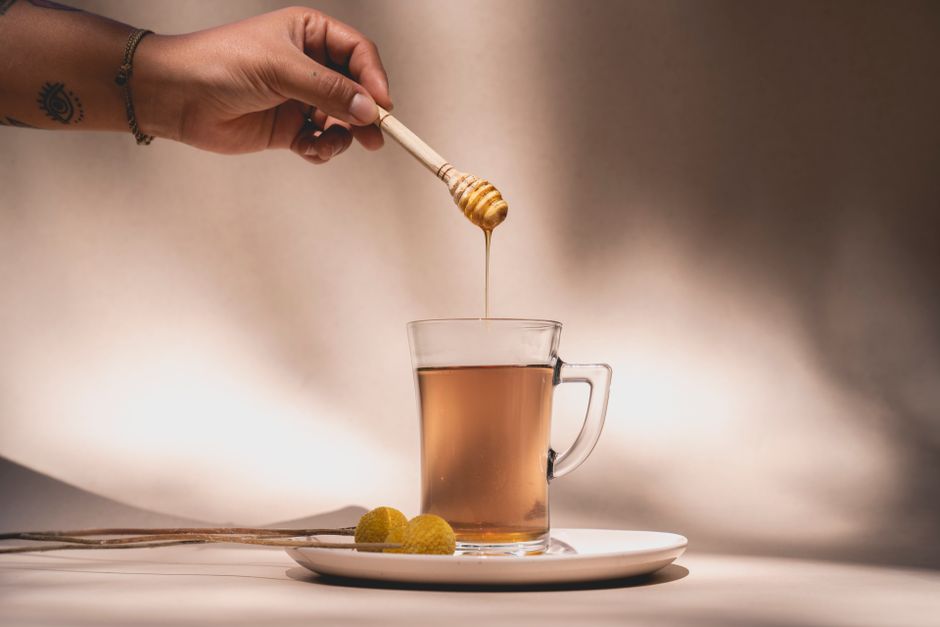
Honey does not ferment on its own. Raw honey contains very little water and is naturally acidic, which stops yeast and bacteria from growing. If honey ferments, it means water got into it, usually from a loose lid or from moisture in the air. You can tell fermented honey by its smell, taste, and the bubbles forming on the surface. If your honey has fermented, it is still safe to eat in most cases, but its taste will be different and it will not last as long as fresh honey.
What Does It Mean When Honey Ferments?
Fermentation happens when yeast breaks down sugars into alcohol and carbon dioxide. For that to happen, yeast needs moisture. Pure honey has about 17 to 18 percent water content. That is too low for most yeast to survive.
When honey absorbs water from the air, its water content rises. Once it gets above roughly 19 to 20 percent, yeast can start to grow. The yeast feeds on the natural sugars in honey and produces alcohol, carbon dioxide, and small amounts of acids. This is the same process used to make wine and beer.
Honey that has fermented is sometimes called bubbly honey or mead honey. It is the same chemical process that happens when you make mead, which is an alcoholic drink made from honey and water. In your jar, you did not mean to make mead, but the process is identical.
How To Tell If Honey Has Fermented
Fermented honey has clear signs. Look at it first. Fermented honey often has small bubbles on the surface or throughout the jar. These bubbles are carbon dioxide gas escaping from the liquid. The honey may also look thinner or more watery than normal.
Smell it next. Fresh honey has a sweet, floral smell. Fermented honey smells slightly sour, fruity, or like alcohol. Some people describe it as smelling like wine or cider. If it smells like a brewery, it has fermented.
Taste it only if the smell does not put you off. Fermented honey tastes tangy, sour, or slightly fizzy. The sweetness is still there, but it has an alcoholic or yeasty aftertaste. If it tastes like something you would not want on toast, it has fermented.
Is Fermented Honey Safe To Eat?
Fermented honey is generally safe to eat. The yeast that ferments honey is not the kind that makes you sick. The alcohol content is low, and the acidity of honey keeps harmful bacteria from growing.
That said, there are exceptions. If the honey smells rotten or foul, not just sour, throw it out. If you see mold growing on the surface, throw it out. Mold is different from yeast and can produce toxins. Fermented honey that has no mold and does not smell bad is safe for most healthy adults.
Do not give fermented honey to infants under one year old. This applies to all honey, fermented or not. Honey can contain spores of Clostridium botulinum, which infants cannot digest safely. This is the same reason pediatricians advise against giving any honey to babies.
People with weakened immune systems should also be cautious. The fermentation process changes the honey’s chemistry. While there is no strong evidence that fermented honey is dangerous for them, there is also no research confirming it is safe. When in doubt, choose fresh honey.





What Causes Honey To Ferment In The Jar?
Moisture is the only cause. Honey is hygroscopic, which means it pulls water from the air around it. If your jar lid was loose, or if you stored honey in a humid room, the honey absorbed water over time.
Another common cause is leaving a spoon in the jar. A wet spoon adds water directly to the honey. Even a few drops of water can raise the moisture level enough in a small jar to trigger fermentation.
Temperature also plays a role. Warm storage speeds up yeast activity. Honey stored in a warm kitchen cabinet will ferment faster than honey stored in a cool pantry. Heat does not cause fermentation by itself, but it helps the process move along once moisture is present.
Raw honey ferments more easily than pasteurized honey. Pasteurization heats honey to about 145°F (63°C), which kills most yeast cells. Raw honey still contains natural yeast from the flowers and the environment. That yeast is dormant until moisture becomes available.
Can You Stop Honey From Fermenting?
Once fermentation starts, it does not stop on its own. The yeast keeps working until it runs out of sugar or the alcohol level gets too high for it to survive. You can slow it down by refrigerating the honey, but you cannot reverse the process.
If you catch it early, you can stop further fermentation by heating the honey. Heat the honey to about 145°F (63°C) for 30 minutes to kill the yeast. This is the same process commercial honey producers use to pasteurize honey.
Heating honey changes it. It destroys some of the natural enzymes and can darken the color. It also changes the flavor slightly. If you want to keep your honey raw, heating it defeats that purpose.
Your other option is to embrace it. Fermented honey is not ruined honey. Some people use it in cooking, salad dressings, or marinades where the tangy flavor works well. You can also strain it and use it as a starter for homemade mead, though that requires more steps and equipment.
How To Store Honey To Prevent Fermentation
Storage is the only reliable prevention. Keep honey in a sealed container with a tight-fitting lid. Make sure the lid is dry before you close it. Even a drop of condensation on the lid can drip into the honey.
Store honey in a cool, dry place. A pantry or cupboard away from the stove and dishwasher works well. Avoid storing honey near a window or in direct sunlight. Heat and light both encourage moisture loss from the jar and condensation inside it.
Use a clean, dry spoon every time. Never dip a wet spoon into the honey jar. If you use a honey dipper, let it dry completely before putting it back in the jar.
If you live in a very humid climate, consider storing honey in a glass jar with a rubber seal. Glass does not let moisture through, unlike some plastic containers. Mason jars with a tight seal work well for long-term storage.
Honey does not spoil in the traditional sense. Archaeologists have found honey in Egyptian tombs that was still edible after thousands of years. That honey was sealed in airtight containers. The same principle applies to your kitchen cabinet.
What To Do With Honey That Has Already Fermented
First, taste a small amount to decide if you like it. Some people enjoy the tangy, wine-like flavor. Others find it unpleasant. There is no right answer here. It is a personal preference.
If you do not want to eat it, you can still use it. Fermented honey works well in baking because the heat kills the yeast and the alcohol cooks off. Use it in bread, cakes, or glazes where the flavor complements the dish.
Fermented honey also makes a good marinade. The acidity helps tenderize meat, and the sweetness balances the tang. Mix it with soy sauce, garlic, and ginger for a simple stir-fry sauce.
If you do not want to use it at all, you can compost it. Honey is organic matter and breaks down fine in a compost pile. Just do not pour it down the drain. Honey is thick and sticky, and it can clog pipes.
Does Fermented Honey Go Bad?
Fermented honey eventually goes bad, but it takes a long time. The alcohol content acts as a preservative, and the acidity keeps most microbes away. Sealed fermented honey can last for months in the refrigerator.
Signs that fermented honey has truly gone bad include mold, a foul smell, or a sharp vinegar-like taste. These signs mean the honey has spoiled and should be discarded. Do not try to salvage honey that has mold in it.
One important note: fermented honey can build up pressure in the jar. The carbon dioxide gas needs somewhere to go. If you have a tightly sealed glass jar of fermented honey, open it slowly and point it away from your face. The gas can push the lid off suddenly.
Frequently Asked Questions
Can you eat honey that has fermented?
Yes, fermented honey is safe to eat for most healthy adults if it has no mold and does not smell foul. It will taste sour, tangy, or slightly alcoholic compared to fresh honey.
How long does it take for honey to ferment?
It depends on moisture, temperature, and yeast content. In warm, humid conditions with a loose lid, fermentation can start within weeks. In cooler conditions, it may take months or never happen at all.
Is fermented honey the same as mead?
No. Mead is made by intentionally fermenting diluted honey with specific yeast strains. Fermented honey is an unintended process that happens when moisture gets into pure honey.
Does refrigerating honey stop fermentation?
Refrigeration slows fermentation significantly because cold temperatures slow yeast activity. It does not kill the yeast, so fermentation can resume if the honey warms up again.
