
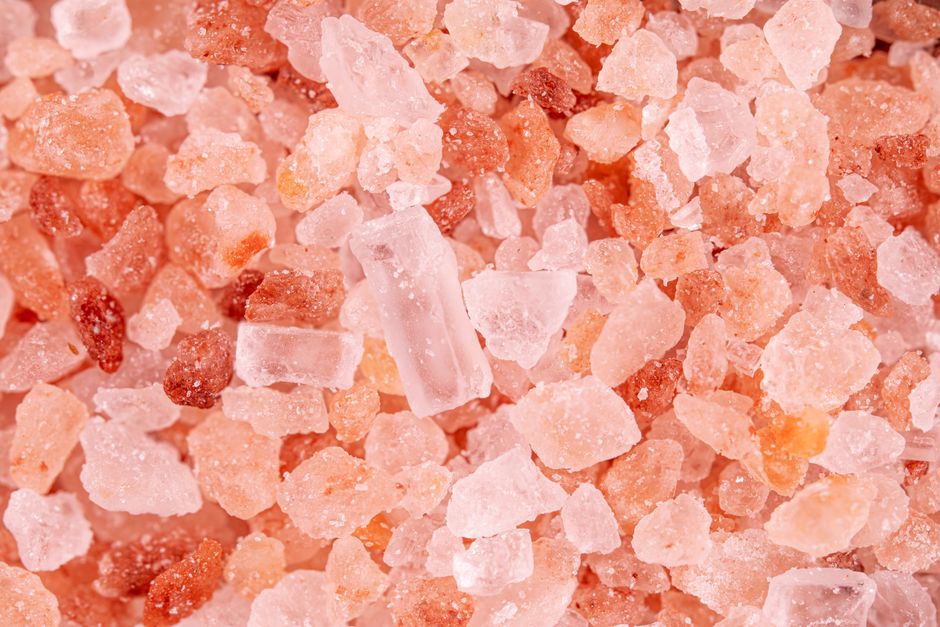
Himalayan pink salt is not iodized. It comes from ancient sea salt deposits in Pakistan and contains trace minerals that give it its pink color, but iodine is not added during processing. This matters because iodine is an essential nutrient your body needs for thyroid function, and most people get it from iodized table salt.
What Does Iodized Mean?
Iodized salt is regular salt that has had iodine added to it. The process started in the 1920s in the United States after researchers found that iodine deficiency caused goiter, an enlargement of the thyroid gland. Adding potassium iodide to table salt became a simple public health solution.
Today, iodized salt remains a primary source of dietary iodine for many Americans. The iodine is added in tiny amounts, but it makes a meaningful difference for thyroid health.
Himalayan salt skips this step. It is mined, washed, and sold without iodine fortification. The pink color comes from iron oxide and other trace minerals, not from added nutrients.
Is Himalayan Salt Iodized or Does It Naturally Contain Iodine?
Himalayan salt contains only trace amounts of naturally occurring iodine. These levels are too low to meet your daily needs. Some research suggests the iodine content varies depending on the specific source, but no reliable data shows that Himalayan salt provides meaningful dietary iodine.
The distinction matters. Natural iodine in food, like that found in seafood and dairy, is measured in micrograms. Himalayan salt contains such small amounts that it cannot be considered a dependable iodine source.
If you use only Himalayan salt in your cooking, you may not get enough iodine from salt alone. This is not dangerous for most people, but it is worth understanding if you rely on salt as your main iodine source.
Why Iodine Matters for Your Health
Your thyroid gland uses iodine to make thyroid hormones. These hormones regulate metabolism, growth, and development. Without enough iodine, the thyroid cannot produce adequate hormones.
Iodine deficiency can lead to several health problems. The most visible is goiter, where the thyroid enlarges to try to capture more iodine from the blood. Fatigue, weight gain, and cognitive issues can also develop with low thyroid hormone levels.
Pregnant women need special attention to iodine intake. Iodine is critical for fetal brain development, and deficiency during pregnancy can affect the baby’s neurological development. Prenatal vitamins often contain iodine for this reason, but not all do, so checking labels is important.
The recommended daily intake for adults is 150 micrograms. Pregnant women need 220 micrograms, and breastfeeding women need 290 micrograms. These numbers come from the National Academies of Sciences, Engineering, and Medicine.




How Much Iodine Is in Himalayan Salt Compared to Table Salt
The comparison is straightforward. Iodized table salt contains about 45 micrograms of iodine per gram of salt. Himalayan salt contains virtually none.
This difference matters if you track your iodine intake. A quarter teaspoon of iodized table salt provides roughly 71 micrograms of iodine, which is nearly half the daily adult requirement. The same amount of Himalayan salt provides essentially zero.
Some salt brands market “Himalayan salt with iodine” or offer iodized versions. These products have had iodine added during processing. Check the label carefully, because standard Himalayan salt does not contain added iodine.
Should You Switch From Iodized Table Salt to Himalayan Salt?
There is no medical reason to switch for iodine purposes. Himalayan salt offers trace minerals like potassium, magnesium, and calcium, but the amounts are too small to affect your health meaningfully. You would need to eat unsafe amounts of salt to get meaningful mineral intake from it.
If you prefer the taste or texture of Himalayan salt, you can use it, but consider your overall iodine intake. People who eat a varied diet with seafood, dairy, eggs, or commercially baked goods usually get enough iodine from food sources.
People on restricted diets may need more attention. Vegans who avoid dairy and seafood, people on low-salt diets, and those who eat mostly unprocessed foods may have lower iodine intake. For these groups, continuing to use iodized salt or taking an iodine-containing supplement may be wise.
Consult your doctor before changing your salt habits if you have thyroid disease. People with Hashimoto’s thyroiditis or Graves’ disease may have specific iodine recommendations that differ from the general population.
Common Myths About Himalayan Salt
Marketing claims about Himalayan salt often outpace the evidence. One common claim is that it contains 84 trace minerals. The number sounds impressive, but it does not mean these minerals are present in useful amounts. Most are present in such tiny quantities that they have no measurable health effect.
Another myth is that Himalayan salt is somehow purer than table salt. Both are mostly sodium chloride. Table salt in the United States often contains added iodine and anti-caking agents. Himalayan salt contains trace minerals and no additives, but neither is inherently healthier.
The pink color itself has become a selling point. Some people assume that color equals nutrition. In reality, the color comes from iron oxide, which is essentially rust. It is harmless but not a health benefit.
Who Should Be Careful About Low Iodine Intake
Most American adults get enough iodine. The National Health and Nutrition Examination Survey has shown that median iodine levels in the United States have been stable for years. But certain groups face higher risk of deficiency.
Pregnant and breastfeeding women have higher iodine needs and should pay attention to intake. Fetal and infant brain development depends on adequate maternal iodine. Prenatal vitamins with iodine can help fill this gap.
People following elimination diets may also be at risk. Dairy, eggs, and seafood are common iodine sources, and removing them from your diet reduces your intake. If you eat no iodized salt and no iodine-rich foods, consider discussing supplementation with your doctor.
Vegans who do not eat seaweed face a particular challenge. Seaweed is one of the few plant sources of iodine, and its content varies widely by type. Kombu contains high amounts, while nori contains less. Relying on seaweed is possible but requires attention to portion sizes.
Practical Tips for Using Himalayan Salt Wisely
You can use Himalayan salt and still maintain healthy iodine levels. The key is knowing where your iodine comes from.
Keep iodized salt in your kitchen for daily cooking. Reserve Himalayan salt for finishing dishes or specific recipes where you prefer its flavor. This way you get both the taste you enjoy and the iodine your thyroid needs.
Read food labels. Most processed foods use non-iodized salt, so they do not contribute to your iodine intake. Bread, canned vegetables, and snack foods typically contain plain salt unless the label says otherwise.
If you use specialty salts exclusively, consider an iodine supplement. Standard multivitamins often contain 150 micrograms of iodine, which covers the adult requirement. Check the label before assuming your multivitamin includes it, because some do not.
What the Evidence Really Shows
Research on Himalayan salt is limited. No large clinical trials have examined its health effects in humans. The claims about its benefits come mostly from its mineral content, not from demonstrated outcomes.
Some studies have raised concerns about heavy metals in Himalayan salt. One analysis found trace amounts of lead and other contaminants, though levels were below safety thresholds. The amounts are not considered dangerous, but the finding highlights that natural does not automatically mean pure.
The honest position is this: Himalayan salt is a fine culinary product. It looks attractive, tastes good, and can be part of a healthy diet. It is simply not a source of iodine, and no evidence shows it provides meaningful health benefits beyond what regular salt provides.
How to Check Your Iodine Status
Iodine deficiency rarely causes obvious symptoms early on. The most common sign is a goiter, which appears as swelling in the front of the neck. Fatigue, dry skin, and hair loss can also occur, but these symptoms overlap with many other conditions.
Blood tests can measure thyroid hormone levels. A test for thyroid-stimulating hormone, or TSH, is the standard screening tool. This test tells your doctor whether your thyroid is working normally, but it does not directly measure iodine levels.
A urine test can measure iodine directly. The body excretes excess iodine in urine, so urine iodine levels reflect recent intake. This test is not routine, but your doctor may order it if deficiency is suspected.
If you are concerned about your iodine intake, talk to your doctor rather than guessing. A simple dietary review can usually identify whether you are getting enough.
Bottom Line on Himalayan Salt and Iodine
Himalayan salt is not iodized and does not provide meaningful amounts of natural iodine. If you use it exclusively, you may miss out on this essential nutrient.
Most people can use Himalayan salt without worry if their overall diet includes other iodine sources. The people who need to pay closest attention are pregnant women, vegans, and those who avoid iodized salt entirely.
Using both iodized salt and Himalayan salt gives you flavor variety and iodine coverage. This simple approach lets you enjoy the pink salt without compromising your thyroid health.
Frequently Asked Questions
Does Himalayan pink salt have iodine?
No, Himalayan pink salt contains only trace amounts of naturally occurring iodine, far too little to meet daily needs. It is not fortified with iodine like regular table salt.
Can I use Himalayan salt instead of iodized salt?
You can use it for cooking, but you will need to get iodine from other foods or supplements. Seafood, dairy, and eggs are good dietary sources of iodine.
Is sea salt iodized?
Most sea salt is not iodized unless the label specifically says iodine was added. Like Himalayan salt, natural sea salt contains only small amounts of iodine.
Why is Himalayan salt pink?
The pink color comes from iron oxide and other trace minerals in the salt. The color is natural but does not provide meaningful nutritional benefits.
