
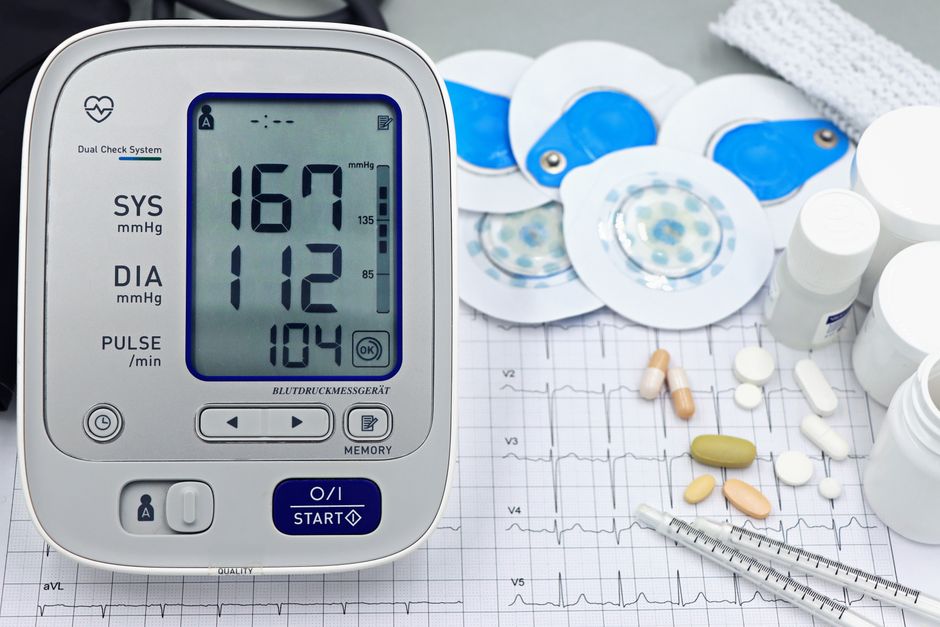
Cholesterol is a waxy, fat-like substance your body cannot function without. It builds cell membranes, produces vitamin D, and serves as the raw material for hormones like testosterone and estrogen. But when levels climb too high, that essential molecule becomes one of the most well-established risk factors for heart disease. The answer to whether high cholesterol is “bad” depends entirely on which type is high, how high, and what other risk factors you carry.
What Does Cholesterol Actually Do in Your Body?
Cholesterol is not a toxin. Your liver manufactures most of what you need — roughly 80% of the cholesterol in your bloodstream is produced internally, not consumed from food. The remaining amount comes from what you eat.
Every cell in your body needs cholesterol to maintain the integrity of its membrane. Without it, cells would lose their structure. The liver uses cholesterol to make bile acids, which digest food. The endocrine system converts it into steroid hormones. The skin uses it to produce vitamin D when exposed to sunlight.
The problem is not cholesterol itself. The problem is how it travels through your blood — and where it ends up.
Why Does Cholesterol Type Matter More Than Total Cholesterol?
Cholesterol does not dissolve in blood. It needs carriers called lipoproteins. Two of these matter most for your health.
LDL (low-density lipoprotein) delivers cholesterol to tissues. When LDL particles are excessive, they can penetrate the artery wall and become trapped. This is the initiating step in atherosclerosis — the buildup of plaque inside arteries. This is why LDL is often called “bad” cholesterol.
HDL (high-density lipoprotein) carries cholesterol away from tissues back to the liver for processing or removal. Higher HDL is generally associated with lower cardiovascular risk, though trials attempting to raise HDL through medication have not consistently reduced heart attacks. That gap between association and causation is important.
Total cholesterol combines both. A total cholesterol of 200 mg/dL could reflect high HDL and moderate LDL, or low HDL and high LDL. These are very different risk profiles. This is why modern clinical guidelines focus on LDL specifically, rather than total cholesterol alone.
Is High Cholesterol Actually Bad For You?
Yes — high LDL cholesterol is a causal factor in cardiovascular disease. This is one of the most thoroughly established relationships in medicine. Decades of research, including genetic studies, randomized controlled trials, and large population studies, consistently show that lower LDL levels correspond to lower rates of heart attack and stroke.
The mechanism is well understood. LDL particles that accumulate in the arterial wall trigger an inflammatory response. Immune cells called macrophages engulf the oxidized LDL and become foam cells. These foam cells form the core of atherosclerotic plaque. Over years, plaque narrows arteries and can rupture, causing blood clots that block blood flow — a heart attack or stroke.
But here is the nuance that often gets lost: not everyone with high LDL develops heart disease at the same rate. Risk is cumulative and multiplicative. A person with an LDL of 160 mg/dL but no other risk factors faces a different trajectory than someone with the same LDL who smokes, has diabetes, and has a family history of early heart attacks.
Some people with genetically very low LDL from birth — a condition called hypobetalipoproteinemia — have markedly reduced lifetime cardiovascular risk. This natural experiment supports the causal role of LDL.
Familial hypercholesterolemia tells the opposite story. People born with this genetic condition have severely elevated LDL from childhood. Without treatment, many develop early cardiovascular disease, sometimes in their 30s or 40s. The relationship between LDL and risk is dose-dependent and cumulative over time.




When Is High Cholesterol Not a Concern?
There are situations where an elevated cholesterol number deserves context rather than alarm.
- High HDL with normal LDL: If your total cholesterol is elevated but it is driven by high HDL and your LDL is within a healthy range, the concern is lower. Some research suggests very high HDL may not be protective, but the evidence is mixed.
- Age and life stage: Cholesterol levels naturally vary with age. Premenopausal women often have lower LDL than men of the same age, partly due to estrogen. After menopause, LDL tends to rise.
- Acute illness: Cholesterol levels can drop temporarily during acute infection or inflammation, making a single reading unreliable.
- Measurement variation: A single lipid panel is a snapshot. Levels can fluctuate. A doctor will typically confirm an elevated result with a repeat test before making treatment decisions.
None of this means high LDL is harmless. It means the number needs to be interpreted in context — not dismissed, but not treated in isolation either.
What Other Factors Determine Your Actual Risk?
LDL is one input. Your overall cardiovascular risk depends on the combination of factors you carry.
Factors that raise risk substantially include smoking, diabetes, high blood pressure, chronic kidney disease, a family history of early heart disease (before age 55 in a father or brother, or before age 65 in a mother or sister), and elevated lipoprotein(a).
Factors that lower risk include regular physical activity, not smoking, maintaining a healthy weight, and a diet rich in vegetables, fruits, whole grains, and unsaturated fats.
This is why two people with the same LDL can receive different recommendations. Clinical guidelines use risk calculators that combine multiple factors to estimate a person’s 10-year and lifetime risk of cardiovascular events. The decision to treat — and how aggressively — is based on that overall picture, not on cholesterol alone.
Does High Cholesterol Cause Symptoms?
High cholesterol itself causes no symptoms. You cannot feel it. There is no fatigue, no chest pain, no visible sign that your LDL is elevated.
The only way to know your cholesterol levels is through a blood test called a lipid panel. It measures total cholesterol, LDL, HDL, and triglycerides.
In severe cases of familial hypercholesterolemia, cholesterol deposits may appear as yellowish bumps around the eyes (xanthomas) or a white ring around the cornea. These are visible signs of extremely high cholesterol, but they are uncommon and typically indicate a genetic condition.
For most people, high cholesterol is discovered only through routine screening. The absence of symptoms is precisely why it is called a “silent” risk factor — and why screening matters.
How Is High Cholesterol Treated?
Treatment depends on your overall risk, not just your LDL number.
For people at low risk, lifestyle changes may be sufficient. This includes reducing saturated fat intake, increasing fiber, exercising regularly, and quitting smoking. The effect of diet on cholesterol varies significantly between individuals — some people respond strongly to dietary changes, others less so.
For people at higher risk — those with existing cardiovascular disease, diabetes, or very high LDL — statins are the most commonly prescribed medication. Statins work by blocking an enzyme in the liver that produces cholesterol, which causes the liver to pull more LDL from the bloodstream. Multiple large randomized trials have shown that statins reduce the risk of heart attack, stroke, and cardiovascular death in high-risk populations.
Other medications exist for people who cannot tolerate statins or who need additional LDL lowering. These include ezetimibe, PCSK9 inhibitors, and bempedoic acid. Each has its own evidence base and appropriate use case.
What works for one person may not be the right approach for another. The decision should be made with a clinician who can assess your full risk profile.
What Do the Numbers Actually Mean?
These reference ranges come from established clinical guidelines and are widely used in medical practice.
| Measure | Desirable | Borderline High | High |
|---|---|---|---|
| Total Cholesterol | Below 200 mg/dL | 200–239 mg/dL | 240 mg/dL and above |
| LDL Cholesterol | Below 100 mg/dL | 130–159 mg/dL | 160 mg/dL and above |
| HDL Cholesterol | 60 mg/dL and above | 40–59 mg/dL | Below 40 mg/dL |
| Triglycerides | Below 150 mg/dL | 150–199 mg/dL | 200 mg/dL and above |
These categories are general guides. For people with existing heart disease or diabetes, target LDL levels are often much lower — sometimes below 70 mg/dL or even below 55 mg/dL, depending on the guideline and the patient’s risk.
One clarification: the 200 mg/dL total cholesterol threshold has been used for decades, but it is not a magic line. Risk rises continuously across the range. There is no threshold below which LDL stops mattering, and no threshold above which a heart attack is guaranteed.
Does Everyone With High Cholesterol Need Medication?
No. The decision to start medication depends on your estimated risk of a cardiovascular event over the next 10 years and over your lifetime.
A 45-year-old with an LDL of 145 mg/dL, no other risk factors, and a healthy lifestyle may reasonably choose to monitor and adjust lifestyle first. A 60-year-old with the same LDL who also has diabetes and high blood pressure may be advised to start a statin immediately.
This is not a double standard. It reflects the reality that the same LDL level carries different absolute risk depending on the person. Guidelines from major cardiology organizations recommend using risk calculators to guide this decision, not relying on cholesterol alone.
If you have high LDL and are unsure whether treatment is right for you, the conversation with your doctor should cover your full risk profile — not just the number on the lab report.
Frequently Asked Questions
Can you have high cholesterol and still be healthy?
Yes, some people with elevated cholesterol have no other risk factors and may never develop heart disease. However, high LDL still increases risk over time, and the absence of other risk factors does not eliminate that risk entirely.
What LDL level is considered dangerously high?
There is no single “dangerous” threshold — risk rises continuously as LDL increases. Levels above 190 mg/dL are generally considered very high and often warrant treatment, especially if caused by a genetic condition.
Does high cholesterol always require medication?
No. Many people with mildly elevated LDL and low overall risk can manage it with lifestyle changes alone. Medication is typically recommended when overall cardiovascular risk is high enough to justify it.
Can high cholesterol be reversed without drugs?
Diet and exercise can lower LDL in some people, but the response varies widely. Some individuals see significant reductions; others see little change regardless of lifestyle efforts. For people with genetic high cholesterol, lifestyle alone is usually not enough.
