
Yes, fructose is a monosaccharide. It is one of the simplest forms of sugar, meaning your body does not need to break it down further before absorbing it. Monosaccharides are single sugar molecules, and fructose is a primary example, alongside glucose and galactose. This is basic carbohydrate chemistry, not a debated topic in nutrition science.
How Does Fructose Differ From Other Sugars?
Fructose is a monosaccharide, but most table sugar you buy at the store is sucrose. Sucrose is a disaccharide, meaning it is made of two monosaccharides linked together: one glucose molecule and one fructose molecule. When you eat sucrose, your body must split it apart into its two single-sugar units before they can enter your bloodstream.
High-fructose corn syrup (HFCS) is a different story. It is a mixture of free fructose and free glucose, not a bonded disaccharide. HFCS typically contains either 42% or 55% free fructose, with the rest being free glucose and water. Because the fructose in HFCS is already a monosaccharide, your body absorbs it directly without needing to break it down first.
This difference matters for how quickly sugars enter your bloodstream. Free fructose from HFCS or fruit is absorbed directly through the intestinal wall. Bonded fructose in sucrose requires an enzyme to cleave it first, which slightly slows absorption.
Is Fructose A Monosaccharide Found Naturally in Foods?
Yes, fructose occurs naturally in many foods. Fruit is the most obvious source, but it is not the only one. Honey is roughly 40% fructose by weight. Vegetables like sweet potatoes, onions, and carrots contain smaller amounts. Even some grains contain trace levels of free fructose.
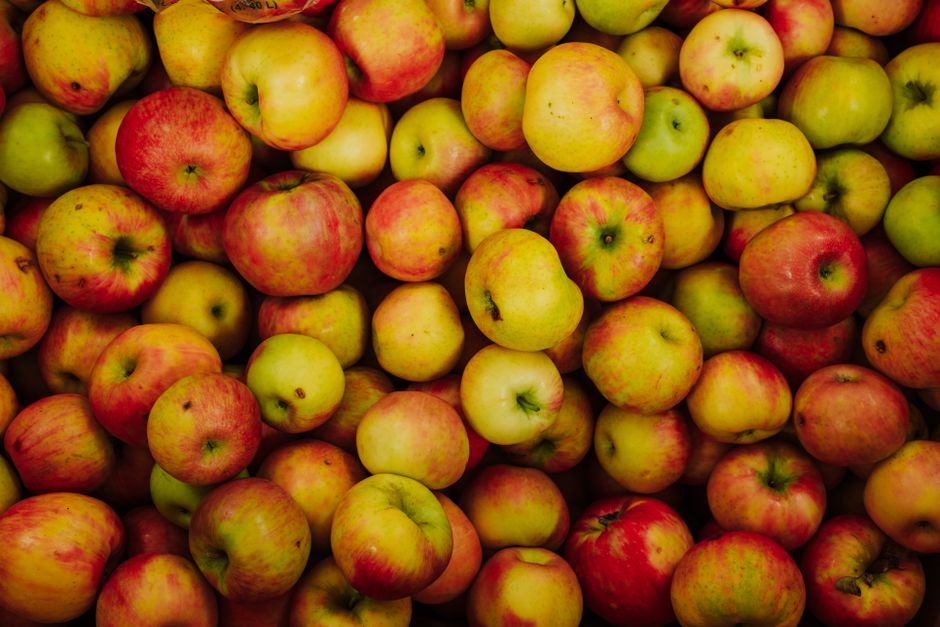
The key distinction is between whole food sources and added sugars. When you eat an apple, you get fructose packaged with fiber, water, vitamins, and phytonutrients. That fiber slows down how quickly the fructose hits your liver. When you drink a soda sweetened with HFCS, you get the same monosaccharide without any fiber or nutrients to buffer its absorption.
Research published in the Journal of Nutrition has found that consuming fructose from whole fruit does not produce the same metabolic effects as consuming equivalent amounts of added fructose. The food matrix matters. Your body processes the same monosaccharide differently depending on what it comes with.
What Happens When Your Body Processes Fructose?
Fructose is metabolized almost entirely in your liver. Glucose can be used by every cell in your body, but fructose is different. Your liver is the only organ that can break it down in significant amounts. This is a critical difference that explains many of the health concerns around high fructose intake.
Once inside liver cells, fructose bypasses a key regulatory step that controls glucose metabolism. This means it can flood the liver’s energy pathways quickly. If your liver already has enough energy stored, that excess fructose gets converted into fat through a process called de novo lipogenesis. This is a normal biological process, not a disease state. But when it happens repeatedly and in large amounts, it contributes to fatty liver disease.
The American Heart Association reports that the average American consumes about 77 grams of added sugar per day, much of it from fructose-containing sweeteners. That is roughly three times the recommended limit for women and double the limit for men. The issue is not fructose itself. The issue is the dose and the context.





Does Fructose Cause Health Problems on Its Own?
This is where most health content gets sloppy. Fructose is not a toxin. Your body has evolved to handle it in reasonable amounts from natural sources. The problem arises from chronic overconsumption combined with a sedentary lifestyle and excess calories overall.
Some studies suggest that high fructose intake, particularly from added sugars, is linked to increased triglycerides, insulin resistance, and non-alcoholic fatty liver disease. A 2020 meta-analysis in Nutrients found that fructose overconsumption was associated with higher liver fat content, but only when calories were excessive overall. When total calorie intake was controlled, fructose did not show unique harmful effects compared to other sugars.
This is an important distinction. Blaming fructose alone misses the bigger picture. A person eating 3,000 calories a day with 20% of those calories from fructose will have different health outcomes than someone eating 2,000 calories with 10% from fructose. The dose, the total energy balance, and the food source all matter more than whether the sugar molecule is a monosaccharide or a disaccharide.
| Sugar Name | Type | Molecular Components |
|---|---|---|
| Fructose | Monosaccharide | Single fructose molecule |
| Glucose | Monosaccharide | Single glucose molecule |
| Sucrose (table sugar) | Disaccharide | Glucose + fructose bonded together |
| Lactose (milk sugar) | Disaccharide | Glucose + galactose bonded together |
| High-fructose corn syrup | Mixture of monosaccharides | Free fructose + free glucose |
Is Fructose Worse Than Glucose for Your Health?
Comparing fructose and glucose directly is complicated because they are almost always consumed together. Most sweeteners contain both. Sucrose is half fructose, half glucose. HFCS is roughly equal parts of both. Pure fructose is rare in the food supply outside of laboratory studies.
Research shows that fructose and glucose have different metabolic effects. Glucose triggers insulin release from the pancreas, which signals your cells to take up sugar from the blood. Fructose does not directly stimulate insulin release in the same way. This sounds like an advantage, but it is not. Because fructose does not trigger insulin, it also does not trigger leptin, the hormone that signals fullness. Some studies suggest this leads to overconsumption of fructose-containing foods compared to glucose-containing foods.
A well-known study from the Journal of Clinical Investigation found that people who drank fructose-sweetened beverages had less activation in brain regions that regulate appetite compared to those who drank glucose-sweetened beverages. They also reported feeling less full. But again, this was a short-term lab study using isolated sugars, not real-world eating patterns.
For practical purposes, neither fructose nor glucose is inherently bad. Both are essential fuels for your body. The problem is consuming either one in excess, especially in liquid form where calories do not trigger satiety signals. Your body handles both sugars well in moderate amounts from whole foods.
What Should You Actually Do About Fructose?
Do not fear fruit. This is the most important takeaway. The evidence is clear that whole fruit consumption is associated with better health outcomes, including lower risk of heart disease, stroke, and certain cancers. The fructose in fruit comes with fiber, water, and antioxidants that change how your body processes it.
Focus on reducing added sugars, regardless of whether they come from fructose, glucose, or sucrose. The 2020-2025 Dietary Guidelines for Americans recommend limiting added sugars to less than 10% of total daily calories. For a 2,000-calorie diet, that is about 50 grams of added sugar per day. One 12-ounce soda contains roughly 40 grams of added sugar, mostly from HFCS or sucrose.
Read ingredient labels for terms like “cane sugar,” “corn syrup,” “fruit juice concentrate,” “honey,” and “agave nectar.” These are all different names for fructose-containing sweeteners. The source does not change the metabolic reality. Your liver processes fructose from honey the same way it processes fructose from HFCS. The difference is the amount and what else comes with it.
- Eat whole fruit instead of drinking fruit juice
- Choose water or unsweetened beverages over sodas and sweetened drinks
- Check yogurt, granola bars, and sauces for hidden added sugars
- Do not replace sugar with artificial sweeteners as a health strategy
- Focus on overall dietary pattern rather than obsessing over one molecule
Common Misconceptions About Fructose
The most common myth is that fructose from fruit is somehow different from fructose in table sugar at a chemical level. It is not. Fructose is fructose regardless of the source. What changes is the package it comes in. An orange contains fructose, fiber, water, vitamin C, and flavonoids. A soda contains fructose, water, and artificial flavoring. Your body processes the fructose the same way, but the presence of fiber changes the absorption rate and the metabolic response.
Another widespread claim is that fructose is addictive in the same way as drugs. This is not supported by strong evidence. Some studies suggest that sugar can trigger reward pathways in the brain, but calling it addictive overstates the case. The behavioral patterns around sugar consumption are complex and involve habit, culture, and emotional eating, not a simple chemical addiction.
A third misconception is that cutting fructose completely will reverse fatty liver disease or diabetes. This is not accurate. Reducing fructose from added sugars can help, but it is only one piece of a larger puzzle that includes total calorie reduction, physical activity, and other dietary changes. No single molecule is responsible for metabolic disease, and removing it alone will not fix the problem.
Frequently Asked Questions
Is fructose the same as high-fructose corn syrup?
No. Fructose is a single sugar molecule. High-fructose corn syrup is a mixture of free fructose and free glucose.
Can people with diabetes eat fructose?
Yes, in moderation from whole fruit. Fructose does not spike blood sugar as much as glucose, but excess intake still affects liver fat and triglycerides.
Is fruit bad for you because of fructose?
No. Whole fruit is associated with better health outcomes. The fiber and nutrients in fruit offset any negative effects of its natural fructose content.
How much fructose is too much per day?
There is no specific fructose limit, but keeping added sugars under 50 grams per day for a 2,000-calorie diet is a reasonable target for most adults.
